
Thermostat Efficiency Hacks
author: Lily
2025-03-08
Thermostat Efficiency Hacks: Save Energy and Money

In today's world, where energy conservation is not only environmentally friendly but also cost - effective, optimizing the efficiency of your thermostat can make a significant difference. Whether you have a traditional manual thermostat or a smart, programmable one, there are several hacks that can help you get the most out of your heating and cooling system.
1. Adjust the Temperature Based on Occupancy

One of the simplest yet most effective ways to improve thermostat efficiency is to adjust the temperature according to whether your home is occupied or not. When you're away at work or on vacation, there's no need to keep the house at a perfectly comfortable temperature. For heating, set the thermostat 5 - 10°F lower during the day when you're out. In the case of cooling, raise the temperature by a few degrees. This can lead to substantial energy savings without sacrificing comfort, as your heating or cooling system won't be working as hard to maintain a temperature that isn't necessary.
2. Take Advantage of Programmable Thermostats
If you haven't already, invest in a programmable thermostat. These devices allow you to set different temperatures for different times of the day. For example, you can program it to lower the heat in the early morning hours when you're still asleep and then gradually raise it to a comfortable level just before you wake up. Similarly, in the evening, you can set it to cool down a bit as you start winding down for the night. By automating these temperature changes, you ensure that your HVAC system is only using energy when it truly needs to, rather than running continuously at a fixed temperature.
3. Use Ceiling Fans in Conjunction with the Thermostat
Ceiling fans can be a great ally in improving thermostat efficiency. In the summer, running a ceiling fan counter - clockwise creates a wind - chill effect, making the room feel cooler without actually lowering the temperature. This means you can set your thermostat a few degrees higher than you normally would and still feel comfortable. In the winter, running the fan clockwise at a low speed helps to circulate the warm air that rises to the ceiling back down into the living space. This allows you to keep the thermostat at a slightly lower setting while maintaining a cozy environment.
4. Seal and Insulate Your Home
A well - sealed and insulated home is crucial for thermostat efficiency. Air leaks around windows, doors, and through cracks in the walls can cause conditioned air to escape, forcing your heating or cooling system to work harder to maintain the desired temperature. Use caulk to seal small cracks and gaps, and install weatherstripping around doors and windows. Additionally, proper insulation in the attic, walls, and floors helps to keep the heat in during winter and the cool air in during summer. By reducing air leakage and improving insulation, your thermostat won't have to compensate for the loss of conditioned air, resulting in energy savings.
5. Clean and Maintain Your Thermostat
Just like any other device, a clean and well - maintained thermostat functions better. Dust and debris can accumulate on the thermostat's sensors over time, affecting its accuracy. Use a soft brush or a can of compressed air to gently clean the sensors. If you have a battery - powered thermostat, make sure to change the batteries regularly to ensure consistent operation. For more complex thermostats, follow the manufacturer's instructions for any periodic maintenance tasks, such as calibration. A properly functioning thermostat will be able to accurately control the temperature, preventing over - or under - shooting, which can waste energy.
6. Consider Zone Heating and Cooling
If your home has multiple levels or areas that are used differently, zone heating and cooling can be a game - changer. By installing zone - controlled thermostats, you can heat or cool specific areas of your home according to their usage. For example, if you only use the basement for storage, you don't need to heat it to the same temperature as the living areas. This targeted approach to temperature control ensures that energy is not wasted on heating or cooling unused spaces, maximizing the efficiency of your overall HVAC system.
7. Monitor and Learn Your Thermostat's Behavior


Take the time to understand how your thermostat and HVAC system operate. Observe how long it takes for the system to reach the set temperature and how often it cycles on and off. If you notice that the system is running for extended periods or cycling too frequently, it could be a sign of a problem, such as a malfunctioning thermostat or an inefficient HVAC unit. By being aware of these behaviors, you can identify issues early on and take appropriate action, whether it's adjusting the thermostat settings, scheduling maintenance, or upgrading your equipment.
By implementing these thermostat efficiency hacks, you can not only reduce your energy consumption but also lower your utility bills. Taking a proactive approach to thermostat management is a small step that can lead to big savings in both energy and money.
What is the average thermostat setting for winter UK
How to operate the thermostat
Related Article
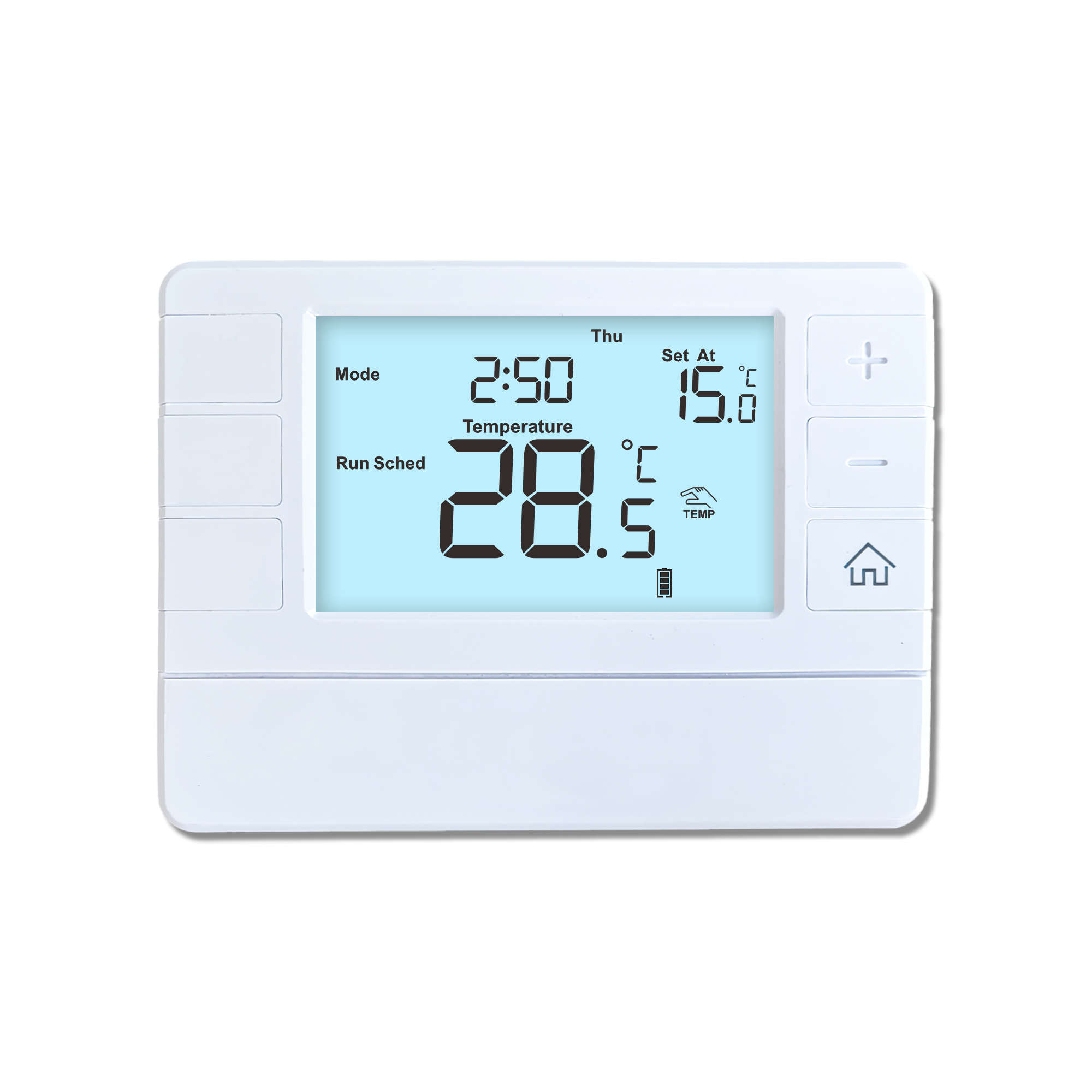
This shift has made traditional, manual thermostats obsolete, paving the way for advanced smart technologies.
Why You Need a Smart Thermostat
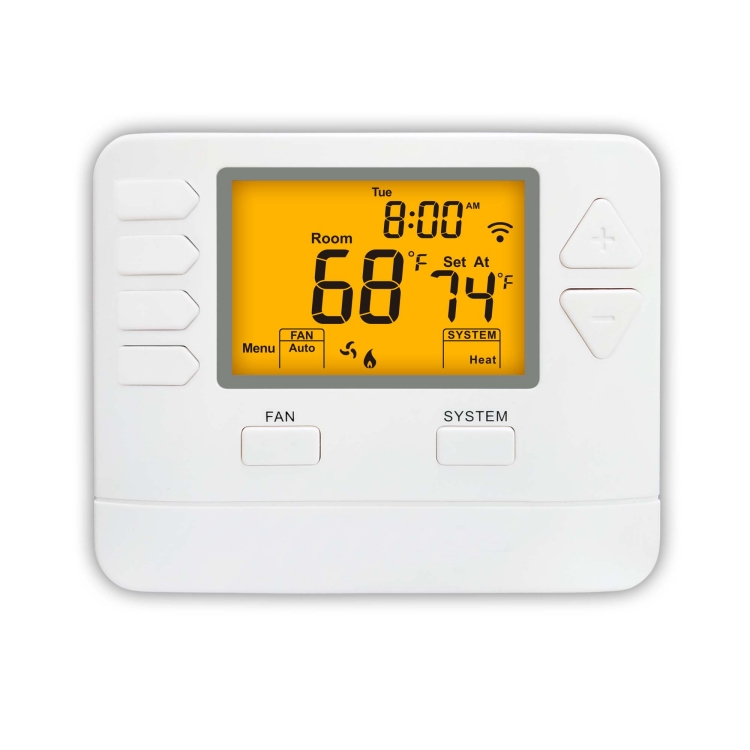
A true 7 Day programmable room thermostat offers the ultimate granular control. It allows users to program a distinct, customized heating and cooling schedule for every single day of the week.
How a 7 Day Programmable Room Thermostat Maximizes Home Comfort and Efficiency
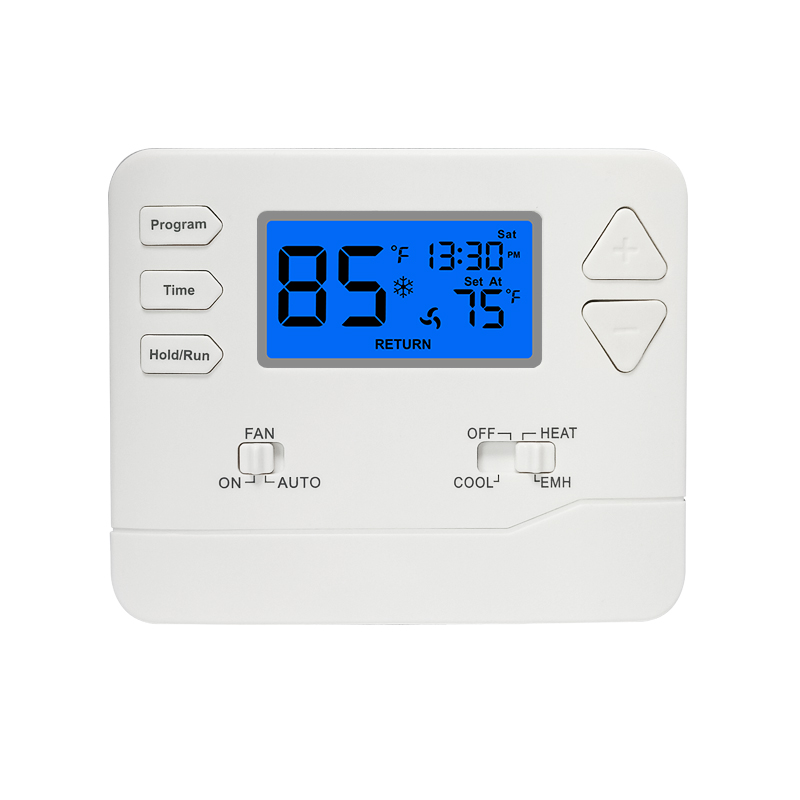
A premium Riseem thermostat is not just a digital display on your wall; it is the ultimate gatekeeper of your indoor environment.
Why a Quality Thermostat Is the Key to a More Comfortable Home
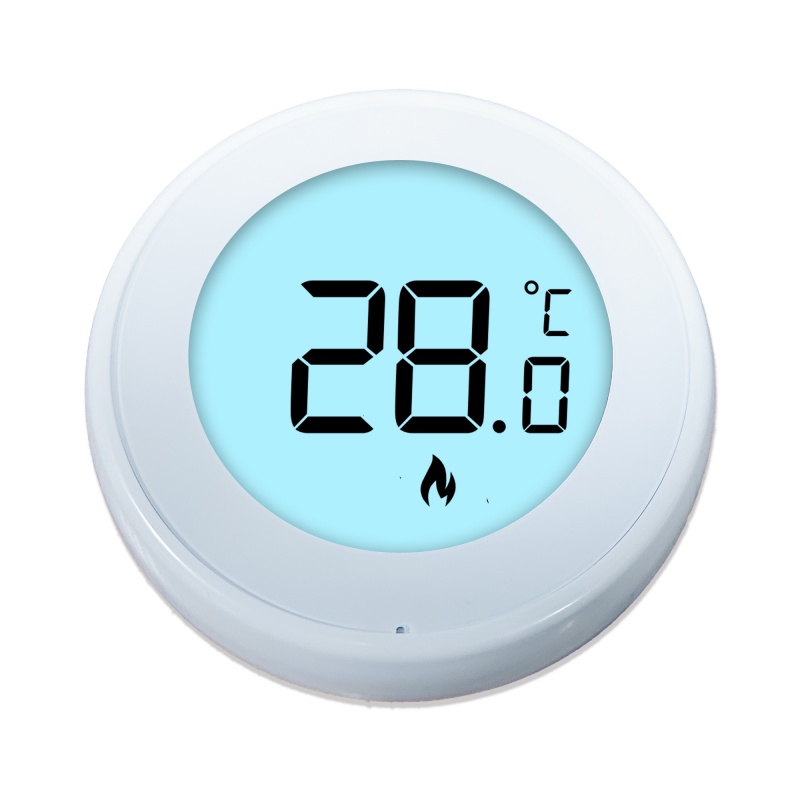
While the TUYA app provides the elegant interface, the physical thermostat remains the brain of the operation. Riseem has engineered a device that looks minimalist on your wall while delivering industrial-grade precision to your HVAC equipment.
Welcome to the Future of Home Automation The Ultimate Guide to TUYA WIFI Smart Thermostats