
thermostat not turning on heat
author: Somi
2025-04-26
Thermostat Not Turning On Heat: Comprehensive Troubleshooting Guide
A heating thermostat is a critical device that regulates a home’s warmth by managing the activation of heating systems like furnaces or boilers. It monitors indoor temperatures, triggering the heater when levels drop below the set point and shutting it off once the desired warmth is reached. Modern heating thermostats, such as those from Ocean Controls Limited, often feature programmable schedules, energy-saving modes, and smart connectivity, allowing users to customize warmth based on routines while optimizing energy efficiency. With precise sensors and intuitive controls, these thermostats ensure consistent comfort, reduce utility costs, and integrate seamlessly with smart home ecosystems for enhanced convenience.
1. Why Isn’t My Thermostat Turning On Heat?
A thermostat that fails to activate heating can leave your home uncomfortable, especially in cold weather. This issue often stems from simple fixes but can also indicate deeper problems with your HVAC system. Ocean Controls Limited designs its thermostats with diagnostic features to simplify troubleshooting, but understanding common causes is key.
Q: Where Should I Start When My Thermostat Won’t Turn On Heat?
A: Begin with the basics:
A: Begin with the basics:
- Check Power: Ensure the thermostat has power (batteries or hardwired).
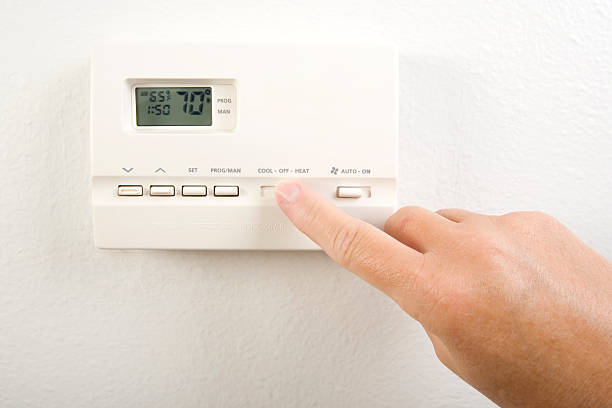
- Mode and Temperature Settings: Confirm the thermostat is in “Heat” mode and set to a temperature above the current room reading.
- System Compatibility: For complex systems like heat pumps, verify the thermostat is configured for heating (e.g., O/B terminal settings in Ocean Controls Limited models).

2. Common Causes of a Thermostat Not Activating Heat
2.1 Power Issues: Batteries or Wiring
Dead Batteries
- Signs: Dim display, unresponsive buttons, or total shutdown in battery-powered thermostats.
- Fix: Replace AA/AAA or coin batteries (e.g., CR2032 for backup power in hardwired models like Ocean Controls Limited’s Smart Pro Series).
Tripped Circuit Breaker or Blown Fuse
- What to Do: Locate the HVAC circuit breaker in your electrical panel. If tripped, reset it. For fuses, replace a blown fuse with the same amperage.
Loose or Damaged Wiring
- Common Culprits:
- Loose R (power) or W (heating) wires at the thermostat terminals.
- Corroded connections or frayed wires, especially in older homes.
- Fix: Turn off power, remove the thermostat cover, and tighten all wire connections. Replace damaged wires if necessary.
Q: My Thermostat Is Hardwired but Has No Power. Could the C-Wire Be the Issue?
A: Yes. The C-wire (common wire) provides a neutral power path for smart thermostats. If loose or missing, install a C-wire adapter or consult an electrician to run a new wire.
A: Yes. The C-wire (common wire) provides a neutral power path for smart thermostats. If loose or missing, install a C-wire adapter or consult an electrician to run a new wire.

3. Thermostat Settings and Calibration Problems
3.1 Incorrect Mode or Temperature Setting
- How to Check:
- Ensure the thermostat is set to “Heat” mode (not “Cool,” “Auto,” or “Off”).
- The set temperature must be at least 2–3°F higher than the current room temperature to trigger heating.
- Example: If the room is 65°F, set the thermostat to 68°F or higher.
3.2 Calibration Errors
- Why It Matters: A miscalibrated thermostat may think the room is warmer than it is, preventing heating activation.
- Test Method: Use a calibrated thermometer near the thermostat. If the readings differ by more than 2°F, recalibrate the thermostat.
- Calibration Steps for Ocean Controls Limited Models:
- Go to “Settings > Temperature Calibration.”
- Adjust the offset (e.g., +2°F if the thermostat reads too low).
3.3 Programming Conflicts
- Schedule Issues: A programmed “Away” or “Vacation” mode may set the temperature lower than desired.
- Fix: Override the schedule or temporarily set a “Hold” temperature on the thermostat.

4. HVAC System Malfunctions Beyond the Thermostat
4.1 Faulty Furnace or Heat Pump
- Possible Issues:
- Ignition Problems: A faulty pilot light, ignition switch, or flame sensor in gas furnaces.
- Blower Motor Failure: The fan can’t distribute heat, even if the furnace is running.
- Compressor or Reversing Valve Issues: In heat pumps, a stuck reversing valve may prevent heating.
- How to Test:
- Listen for the furnace blower or heat pump compressor activating when the thermostat calls for heat.
- Check for error codes on the HVAC unit (e.g., flashing lights on the control board).
4.2 Low Fuel or Pressure
- Gas Furnaces: Ensure the gas supply is on and the pressure is adequate. A tripped gas valve or empty propane tank can stop heating.
- Oil Furnaces: Check the oil level and ensure the delivery schedule is current.
4.3 Airflow Restrictions
- Clogged Air Filter: A dirty filter restricts airflow, causing the furnace to overheat and shut off.
- Closed Vents or Duct Blockages: Ensure vents are open and ducts are free of obstructions.
Q: Can a Dirty Air Filter Cause My Thermostat to Fail to Activate Heat?
A: Indirectly. A clogged filter can overheat the furnace, triggering a safety switch that turns off the system. Replace the filter every 1–3 months to prevent this.
A: Indirectly. A clogged filter can overheat the furnace, triggering a safety switch that turns off the system. Replace the filter every 1–3 months to prevent this.

5. Advanced Troubleshooting: Wiring and Electrical Issues
5.1 Faulty Thermostat Components
- Burned Terminals: Over time, electrical arcs can damage thermostat terminals, preventing signal transmission.
- Failed Circuit Board: A cracked or burned circuit board in the thermostat may require replacement.
- Solution: For Ocean Controls Limited thermostats, contact customer support for warranty options or replacement parts.
5.2 HVAC Control Board Problems
- What to Check:
- Visually inspect the control board for burnt components or loose connections.
- Use a multimeter to test for voltage at the W terminal when the thermostat calls for heat.
- Repair Note: Control board repairs require expertise; consult a licensed HVAC technician.
5.3 Safety Switches and Limit Controls
- Furnace Safety Switches: A tripped switch (e.g., on the blower door) can shut off the furnace.
- Limit Controls: These sensors shut off the furnace if it overheats. Clean or replace them if faulty.
6. When to Call a Professional for Your Thermostat and Heating System
6.1 Complex Electrical Repairs
- Wiring Upgrades: Installing a C-wire or repairing damaged wiring in the HVAC unit.
- Control Board Replacement: Diagnosing and replacing faulty components in the furnace or heat pump.
6.2 Gas or Oil System Issues
- Gas Leaks: Smelling gas near the furnace requires immediate evacuation and professional repair.
- Oil Furnace Tune-Ups: Annual maintenance for oil systems to prevent clogs and combustion issues.
6.3 Warranty Considerations
- Ocean Controls Limited Warranty: DIY repairs on smart thermostats (e.g., Geotherm Pro Series) may void the warranty. Contact their support team for authorized service.
Q: How Much Does It Cost to Fix a Thermostat Not Heating?
A: Costs vary:
A: Costs vary:
- Simple Fixes: $50–$150 for battery replacement, filter changes, or wiring adjustments.
- Complex Repairs: $300–$800 for control board replacements, gas valve repairs, or heat pump component fixes.
Conclusion: Restoring Heat with a Troubleshooting Plan
A thermostat that won’t turn on heat can be stressful, but systematic troubleshooting often reveals simple solutions like dead batteries or misconfigured settings. For Ocean Controls Limited users, leveraging the thermostat’s diagnostic features (e.g., error codes, sensor tests) can speed up problem-solving. Remember to prioritize safety, especially with gas systems, and don’t hesitate to call professionals for complex issues.
By maintaining your thermostat and HVAC system regularly (e.g., annual tune-ups, filter changes), you’ll prevent future heating failures and ensure reliable comfort. Stay warm and proactive—your thermostat is designed to keep you cozy when you need it most!


what is jumper wire in thermostat
thermostat cool on flashing
Related Article
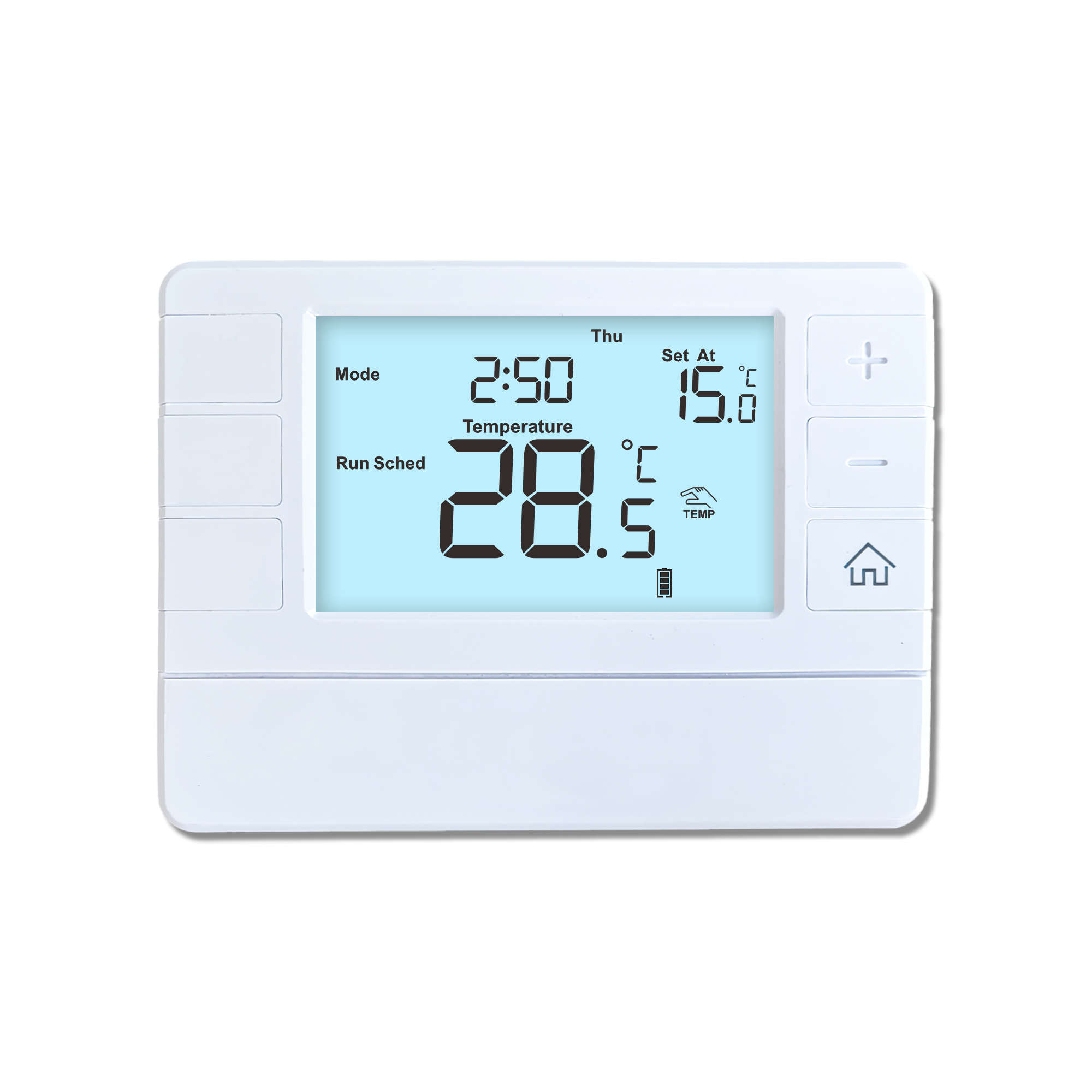
This shift has made traditional, manual thermostats obsolete, paving the way for advanced smart technologies.
Why You Need a Smart Thermostat
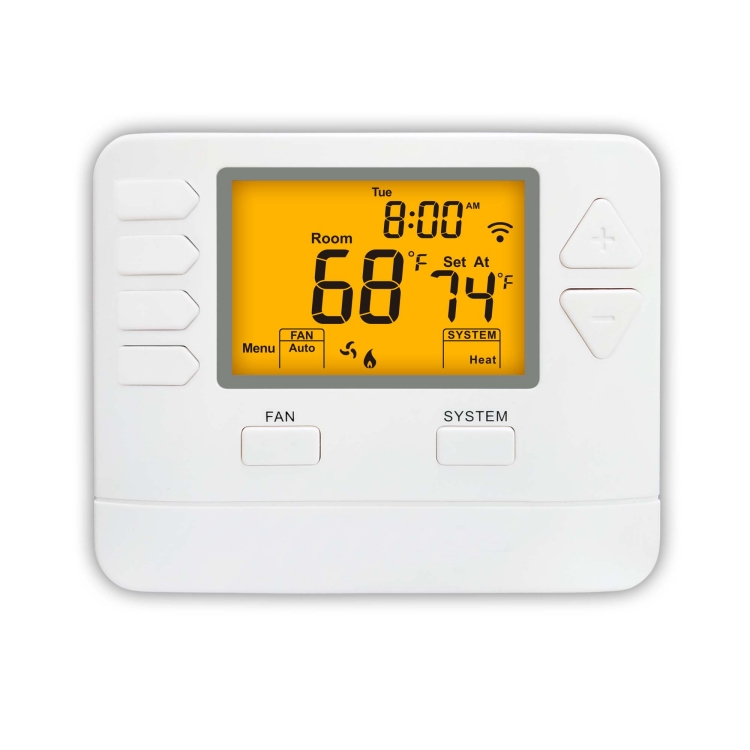
A true 7 Day programmable room thermostat offers the ultimate granular control. It allows users to program a distinct, customized heating and cooling schedule for every single day of the week.
How a 7 Day Programmable Room Thermostat Maximizes Home Comfort and Efficiency
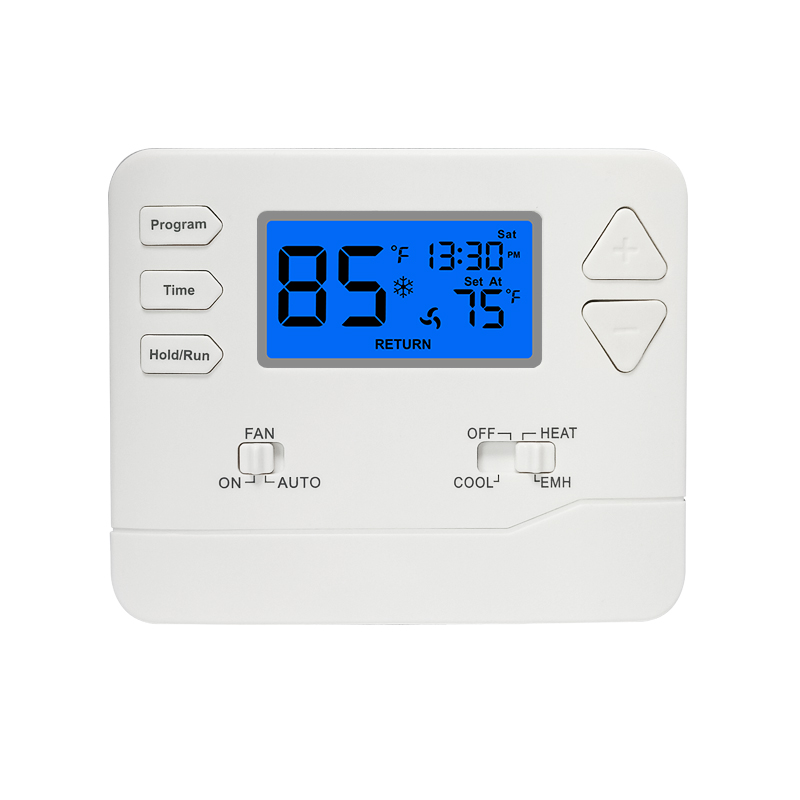
A premium Riseem thermostat is not just a digital display on your wall; it is the ultimate gatekeeper of your indoor environment.
Why a Quality Thermostat Is the Key to a More Comfortable Home
While the TUYA app provides the elegant interface, the physical thermostat remains the brain of the operation. Riseem has engineered a device that looks minimalist on your wall while delivering industrial-grade precision to your HVAC equipment.
Welcome to the Future of Home Automation The Ultimate Guide to TUYA WIFI Smart Thermostats