
Understanding the Function of Electronic Room Thermostat
author: Lily
2025-03-26
Understanding the Function of Electronic Room Thermostat
In modern living and working spaces, maintaining a comfortable temperature is crucial. Electronic room thermostats play a pivotal role in achieving this. This article aims to demystify the function of these essential devices.
Basic Principle
At its core, an electronic room thermostat is designed to sense the ambient temperature within a room. It operates based on the principle of comparing the actual room temperature with a pre - set target temperature. The thermostat uses a temperature - sensing element, which is often a thermistor. A thermistor is a type of resistor whose resistance changes with temperature. As the room temperature fluctuates, the resistance of the thermistor also changes. This change in resistance is then converted into an electrical signal that the thermostat can process.
Components of an Electronic Room Thermostat
- Temperature - sensing Element: As mentioned, the thermistor is the most common temperature - sensing component. Its high sensitivity to temperature changes allows the thermostat to accurately detect even small variations in room temperature.
- Control Circuitry: This is the brain of the thermostat. It receives the electrical signal from the temperature - sensing element, processes it, and makes decisions based on the comparison with the pre - set temperature. The control circuitry is responsible for sending signals to the heating or cooling system to either turn on, off, or adjust its operation.
- Display and User Interface: Most electronic room thermostats are equipped with a display that shows the current room temperature, the pre - set temperature, and other relevant information such as the mode of operation (heating or cooling). The user interface allows occupants to set the desired temperature, adjust the thermostat's settings, and switch between different operating modes.
How it Works in a Heating System
When the room temperature drops below the pre - set temperature, the thermostat's control circuitry detects this through the signal from the thermistor. It then sends an electrical signal to the heating system, such as a furnace or a heat pump, to turn on. As the heating system operates and warms the room, the temperature - sensing element in the thermostat continuously monitors the temperature. Once the room temperature reaches the pre - set value, the control circuitry sends a signal to the heating system to turn off, thus maintaining the desired temperature.
Operation in a Cooling System
In a cooling system, the process is reversed. If the room temperature rises above the pre - set temperature, the thermostat sends a signal to the air - conditioning unit to start cooling the room. As the temperature in the room decreases and reaches the pre - set level, the thermostat signals the air - conditioning unit to stop. This on - off cycling of the heating or cooling system is what enables the thermostat to keep the room temperature within a narrow, comfortable range.
Advanced Features
Many modern electronic room thermostats come with additional features. Some are programmable, allowing users to set different temperatures for different times of the day or days of the week. For example, you can set a lower temperature at night when you are sleeping and a higher temperature during the day when you are more active. Others are Wi - Fi enabled, which means they can be controlled remotely via a smartphone or other internet - connected devices. This allows users to adjust the temperature of their homes even when they are away, enhancing convenience and energy efficiency.
In conclusion, electronic room thermostats are essential devices that play a vital role in creating comfortable indoor environments. By understanding their function, users can make the most of these devices, leading to increased comfort and potentially reduced energy consumption.


how to wire a thermostat
What functions does the Danfoss room thermostat have
Related Article
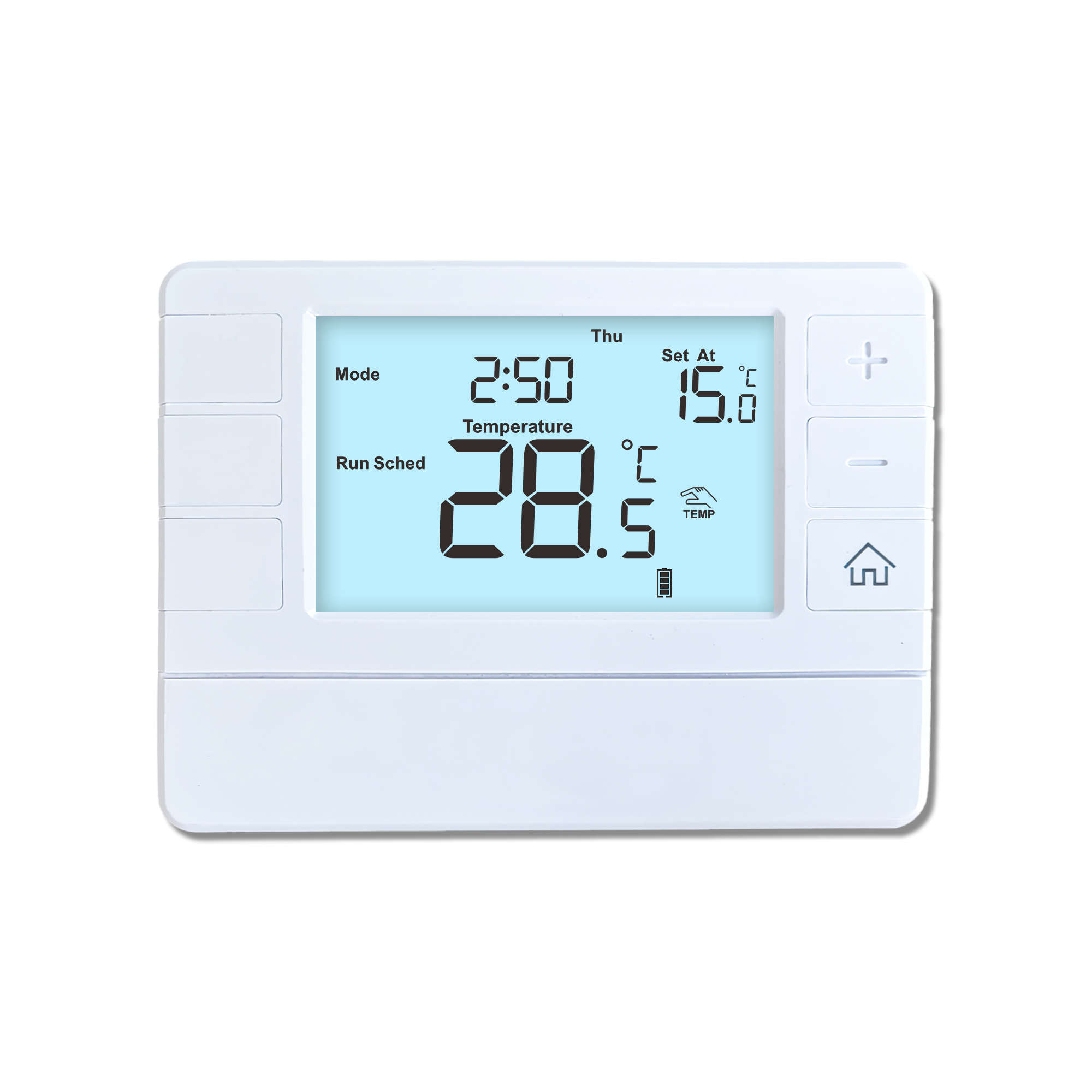
This shift has made traditional, manual thermostats obsolete, paving the way for advanced smart technologies.
Why You Need a Smart Thermostat
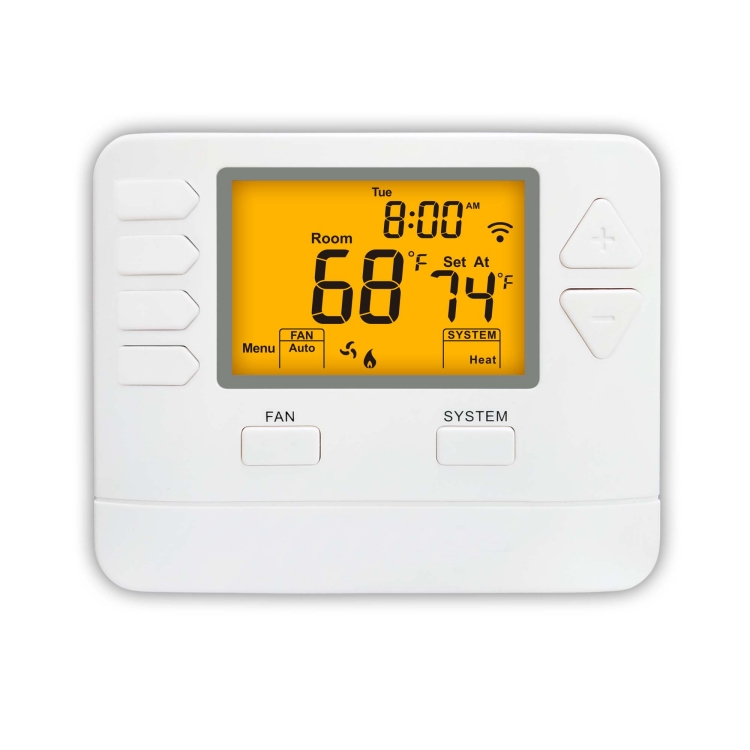
A true 7 Day programmable room thermostat offers the ultimate granular control. It allows users to program a distinct, customized heating and cooling schedule for every single day of the week.
How a 7 Day Programmable Room Thermostat Maximizes Home Comfort and Efficiency
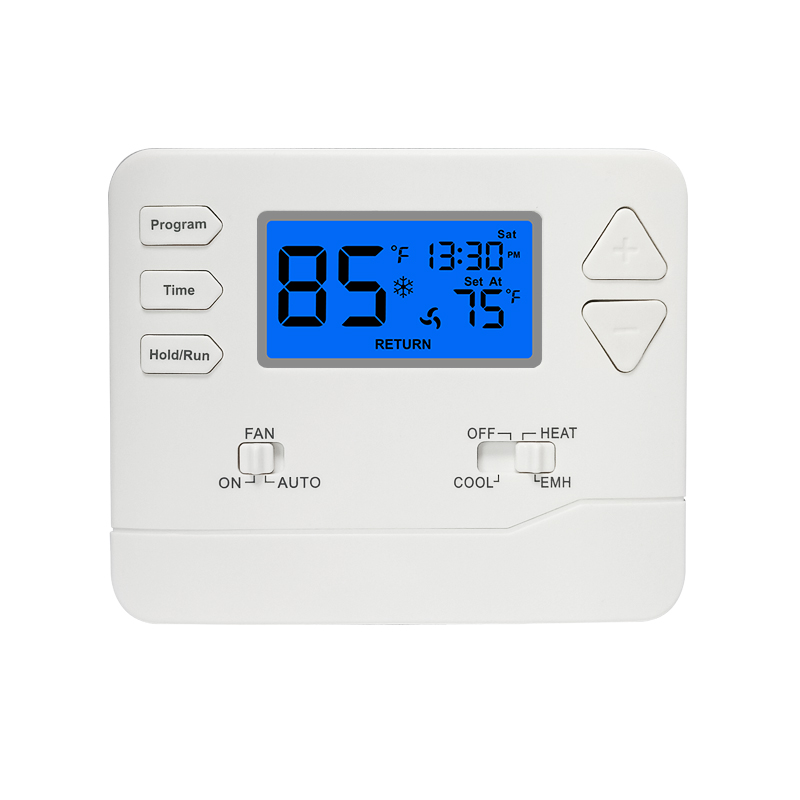
A premium Riseem thermostat is not just a digital display on your wall; it is the ultimate gatekeeper of your indoor environment.
Why a Quality Thermostat Is the Key to a More Comfortable Home
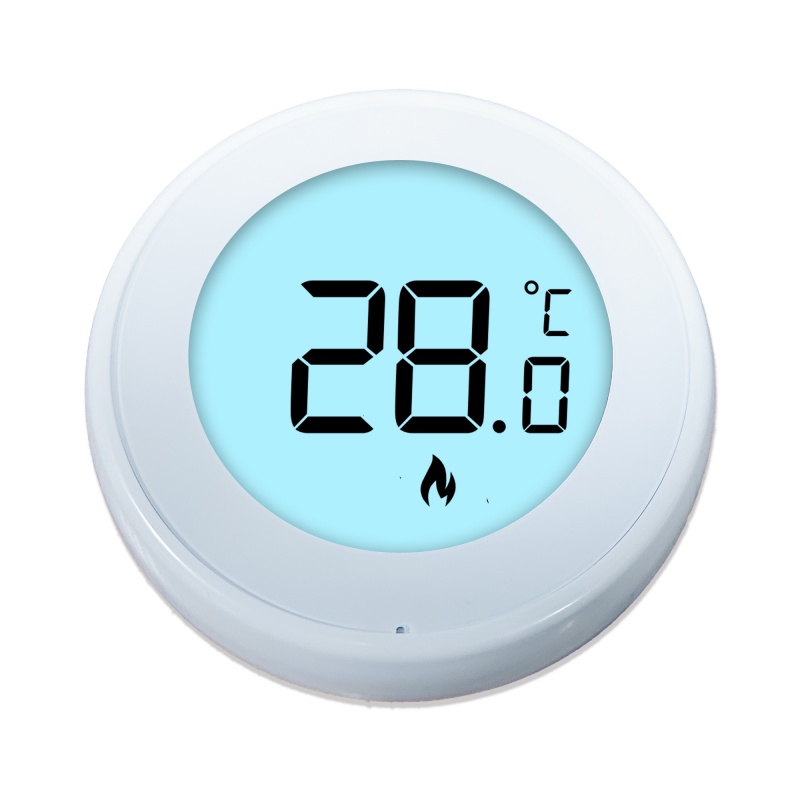
While the TUYA app provides the elegant interface, the physical thermostat remains the brain of the operation. Riseem has engineered a device that looks minimalist on your wall while delivering industrial-grade precision to your HVAC equipment.
Welcome to the Future of Home Automation The Ultimate Guide to TUYA WIFI Smart Thermostats