
Use of thermostat
author: Lily
2025-03-07
The Ubiquitous Use of Thermostats: Keeping Our World Comfortable and Controlled

In our daily lives, thermostats play a crucial role in maintaining the desired temperature in various settings. From our homes to commercial buildings, industrial facilities, and even in some kitchen appliances, thermostats are everywhere, silently working to keep our environment comfortable and controlled.
Home Comfort: A Personalized Climate

Temperature Regulation
In residential settings, thermostats are the primary means of controlling the indoor temperature. Traditional thermostats, like the simple dial - type ones, allow homeowners to set a specific temperature. When the ambient temperature in the house deviates from this setpoint, the thermostat activates the heating or cooling system. For example, during a cold winter day, if the set temperature is 20°C and the room temperature drops to 18°C, the thermostat will signal the furnace to turn on. Once the temperature reaches 20°C again, it will command the furnace to shut off.
Smart thermostats, on the other hand, have revolutionized home temperature control. Devices such as the Nest Learning Thermostat can learn the occupants' temperature preferences over time. By continuously monitoring the temperature settings adjusted by the users, it can create a personalized schedule. For instance, if a family typically sets the temperature to 18°C at night during winter and 24°C during the day when they are awake, the Nest thermostat will automatically adjust the temperature accordingly after a week or so of learning. This not only provides a more comfortable living environment but also helps in energy conservation.
Energy Savings
One of the significant benefits of using thermostats at home is energy efficiency. Programmable thermostats enable users to set different temperatures for different times of the day. For example, during the day when most people are at work, the temperature can be set a few degrees higher in summer or lower in winter. Then, an hour or so before the occupants return home, the thermostat can adjust the temperature to a more comfortable level. According to the U.S. Department of Energy, properly using a programmable thermostat can save about $180 per year on heating and cooling costs. Smart thermostats take this a step further. They can detect when the house is unoccupied, either through motion sensors or by connecting to the occupants' smartphones' location data. When the house is empty, the thermostat can set the temperature to an energy - saving mode, reducing the load on the heating or cooling system.
Comfort and Convenience
Thermostats also contribute to the overall comfort and convenience of home living. With the advent of Wi - Fi - enabled thermostats, homeowners can control the temperature of their homes remotely. Using a smartphone app, they can adjust the temperature even when they are away. For example, if someone is coming home early on a hot summer day, they can turn on the air conditioner a few minutes before arriving, ensuring a cool and comfortable home. Some thermostats also integrate with other home automation systems, allowing for voice - controlled temperature adjustments. Through voice assistants like Amazon Alexa or Google Assistant, users can simply say, "Set the temperature to 22°C," and the thermostat will comply.
Commercial and Industrial Applications: Precision and Efficiency

Building Climate Control
In commercial buildings such as offices, hotels, and shopping malls, thermostats are essential for maintaining a comfortable environment for employees, customers, and guests. Large - scale HVAC (Heating, Ventilation, and Air Conditioning) systems are controlled by thermostats to ensure that different areas of the building are kept at the appropriate temperature. In an office building, for example, the thermostat in each floor or zone can be set to maintain a consistent temperature throughout the working hours. During peak occupancy times, the thermostat can adjust the temperature to account for the heat generated by a large number of people and electronic devices. In hotels, thermostats in each room allow guests to set their preferred temperature, providing a personalized and comfortable stay.
Industrial Processes
Thermostats play a critical role in industrial settings where precise temperature control is required for manufacturing processes. In industries like food and beverage, pharmaceuticals, and electronics, maintaining the correct temperature is crucial for product quality and safety. For example, in a brewery, the fermentation process needs to be carried out at a specific temperature range. A thermostat controls the heating and cooling systems in the fermentation tanks to ensure that the temperature remains within the optimal range for yeast activity. In the pharmaceutical industry, thermostats are used in laboratories and production facilities to control the temperature of incubators, ovens, and storage areas. In semiconductor manufacturing, extremely precise temperature control is necessary, and advanced thermostats with high - accuracy sensors are used to maintain the required temperature for processes such as wafer fabrication.
Energy Management in Commercial and Industrial Buildings
Similar to homes, energy management is a significant aspect of thermostat use in commercial and industrial buildings. By programming thermostats to adjust temperatures during unoccupied hours, such as at night or on weekends, businesses can save a substantial amount of energy. In large industrial facilities, complex thermostat systems can be integrated with building management systems (BMS) to optimize energy consumption. The BMS can collect data from multiple thermostats and other sensors throughout the building to make intelligent decisions about when to turn on or off heating, cooling, and ventilation systems. This not only reduces energy costs but also helps in reducing the carbon footprint of the building.


Kitchen and Appliance Applications: Temperature - Sensitive Cooking and Storage
Ovens and Stoves
In the kitchen, thermostats are an integral part of ovens and stoves. In an oven, the thermostat controls the heating element to maintain a constant temperature for baking, roasting, or broiling. When a user sets the oven temperature to, say, 180°C for baking a cake, the thermostat monitors the internal temperature of the oven. If the temperature drops below 180°C, it will turn on the heating element, and when it reaches 180°C, it will turn off the element. This precise temperature control is essential for ensuring that the cake bakes evenly and turns out perfectly. On a stove, the thermostat in an electric cooktop controls the heat output of the burners. It allows the user to set different heat levels, from low for simmering to high for boiling water. This enables precise control over the cooking process, whether it's sautéing vegetables or making a delicate sauce.
Refrigerators and Freezers
Thermostats are also crucial in refrigerators and freezers to keep food at the proper temperature for storage. In a refrigerator, the thermostat maintains a temperature range typically between 2°C and 5°C. This temperature range helps to slow down the growth of bacteria and keep food fresh for longer. If the temperature inside the refrigerator rises above the setpoint, the thermostat will activate the compressor to cool the interior. In a freezer, the thermostat keeps the temperature at or below - 18°C, which is essential for freezing and preserving food. Some modern refrigerators and freezers are equipped with smart thermostats that can be connected to a smartphone app. This allows users to monitor and adjust the temperature settings remotely, ensuring that their food is always stored at the optimal temperature.
In conclusion, thermostats are an essential part of our daily lives, whether at home, in commercial and industrial settings, or in our kitchen appliances. They provide us with comfort, energy savings, and precise temperature control, making our world a more pleasant and efficient place to live and work. As technology continues to advance, we can expect thermostats to become even more intelligent and integrated into our smart homes and buildings, further enhancing their functionality and benefits.
How much is a new thermostat for a house
Smart Thermostats Recommendations
Related Article
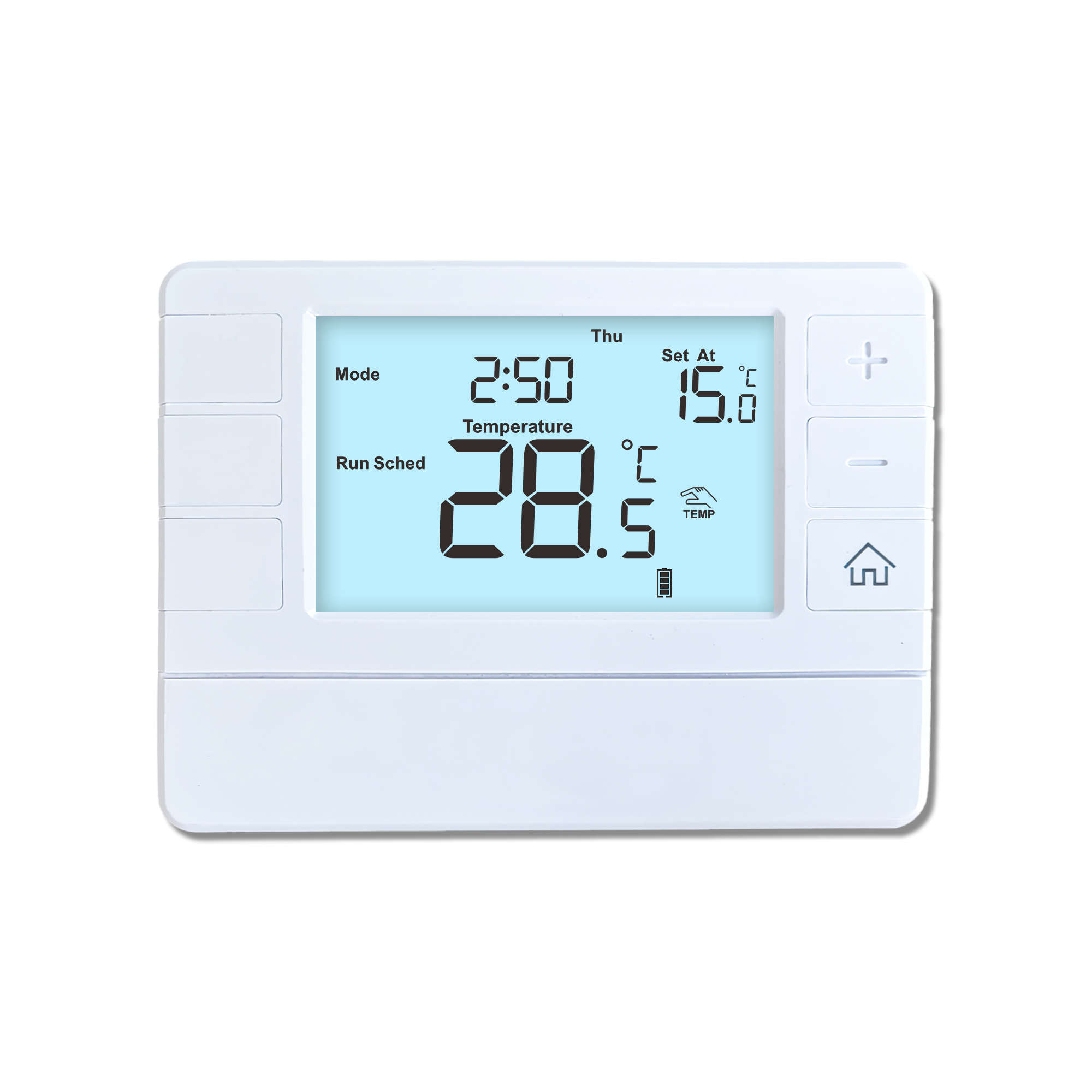
This shift has made traditional, manual thermostats obsolete, paving the way for advanced smart technologies.
Why You Need a Smart Thermostat
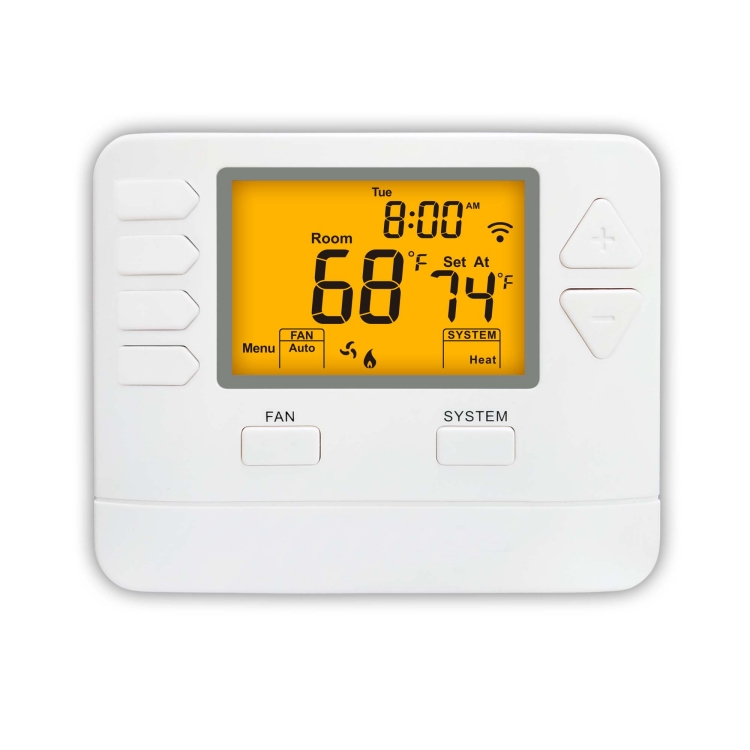
A true 7 Day programmable room thermostat offers the ultimate granular control. It allows users to program a distinct, customized heating and cooling schedule for every single day of the week.
How a 7 Day Programmable Room Thermostat Maximizes Home Comfort and Efficiency
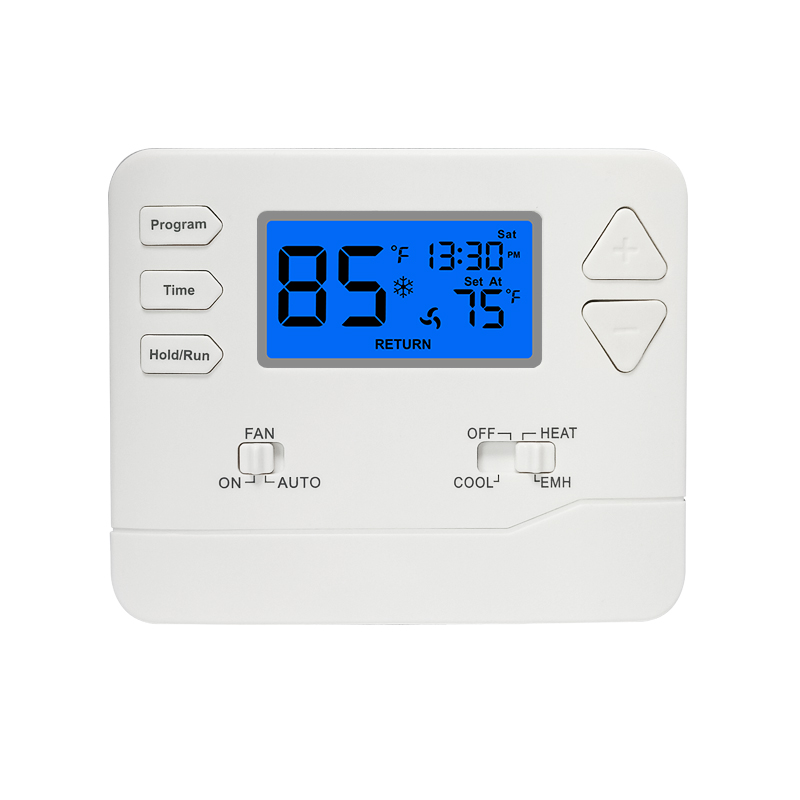
A premium Riseem thermostat is not just a digital display on your wall; it is the ultimate gatekeeper of your indoor environment.
Why a Quality Thermostat Is the Key to a More Comfortable Home
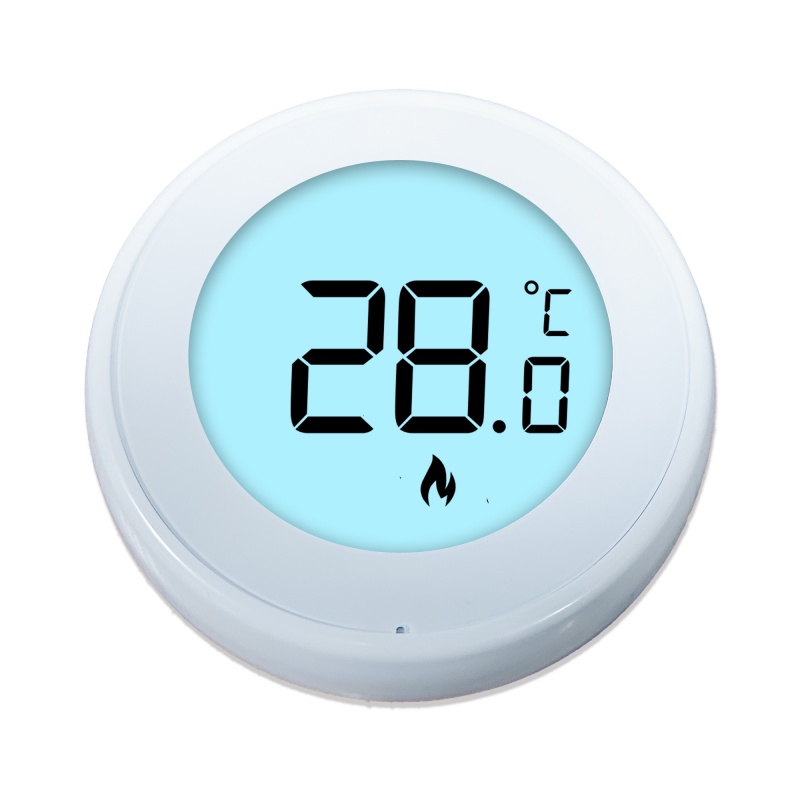
While the TUYA app provides the elegant interface, the physical thermostat remains the brain of the operation. Riseem has engineered a device that looks minimalist on your wall while delivering industrial-grade precision to your HVAC equipment.
Welcome to the Future of Home Automation The Ultimate Guide to TUYA WIFI Smart Thermostats