
What are the differences between a 2-wire room thermostat and a 3-wire room thermostat
author: Lily
2025-04-08
What are the differences between a 2-wire room thermostat and a 3-wire room thermostat
In the world of home comfort systems, room thermostats are essential devices that keep our living spaces at the desired temperature. Among the various types available, 2-wire and 3-wire room thermostats stand out, each with its own set of characteristics. Understanding the differences between them is crucial for homeowners, HVAC technicians, and anyone involved in temperature control system installations.
Wiring: The Fundamental Distinction
The most obvious difference between 2-wire and 3-wire room thermostats lies in their wiring configurations. A 2-wire thermostat, as the name clearly indicates, has only two wires. One wire is the live wire, responsible for supplying power to the thermostat and the connected heating or cooling device. The other is the switched live wire, which controls the operation of the equipment. This simple setup is ideal for basic on/off control applications. For instance, in a small bedroom with a single electric space heater, a 2-wire thermostat can be easily installed. The live wire brings power from the electrical source, and when the room temperature drops below the set value, the thermostat closes the circuit through the switched live wire, turning on the heater.
On the contrary, a 3-wire thermostat has an extra wire - the neutral wire. Alongside the live and switched live wires, the neutral wire provides a complete electrical path for the thermostat's internal components. This additional wire enables more complex electrical operations within the thermostat. In a central heating system, the 3-wire thermostat uses the neutral wire to power its advanced circuitry, which may include digital displays, sensors, and communication modules.
Functional Capabilities: Basic vs. Advanced
Functionally, 2-wire thermostats are designed for straightforward temperature control. Their primary task is to turn the heating or cooling equipment on or off based on the comparison between the room's actual temperature and the setpoint. They are well-suited for systems where simple on/off control suffices, such as a small office with a single window air conditioner. The 2-wire thermostat monitors the room temperature and activates the air conditioner when the temperature rises above the set temperature, and shuts it off when the desired temperature is reached.
In contrast, 3-wire thermostats often come equipped with more advanced features. Thanks to the presence of the neutral wire, they can power more sophisticated electronics. Some 3-wire thermostats have the ability to learn the user's temperature preferences over time. For example, in a smart home, the 3-wire thermostat can analyze the temperature settings the homeowner typically uses during different times of the day and adjust the settings automatically. Additionally, many 3-wire thermostats support remote control functionality. Homeowners can use a mobile app to adjust the temperature of their homes even when they are away. This is extremely convenient, especially for those who want to ensure their home is at a comfortable temperature before they arrive.
Applicable Scenarios: Simple vs. Complex Setups
2-wire room thermostats are commonly found in simple, cost-effective heating or cooling setups. In a garage, where a basic electric heater is used to keep the space warm during cold months, a 2-wire thermostat can be installed to maintain a comfortable temperature without the need for elaborate controls. These thermostats are also suitable for older buildings or systems where the wiring infrastructure is limited and cannot support more complex thermostats. In such cases, the simplicity of the 2-wire thermostat makes it a practical choice.
3-wire room thermostats, on the other hand, are designed for more complex and high-performance heating, ventilation, and air-conditioning (HVAC) systems. In a large commercial building with a multi-zone HVAC system, 3-wire thermostats are preferred. Each zone can have its own 3-wire thermostat, which can accurately control the temperature in that specific area. These thermostats can also communicate with other components of the HVAC system, such as dampers and fans, to ensure efficient operation. In a multi-story residential building with a central heating and cooling system, 3-wire thermostats can be used to provide personalized temperature control for each floor or apartment.
Installation Complexity: DIY-Friendly vs. Professional-Required
The installation process of a 2-wire thermostat is relatively uncomplicated. With only two wires to connect, a homeowner with basic electrical knowledge can often handle the installation. The process typically involves identifying the live and switched live wires in the existing electrical setup and connecting them to the appropriate terminals on the thermostat. However, it's important to follow safety guidelines and local electrical codes.
In contrast, installing a 3-wire thermostat is more involved. The presence of the neutral wire requires careful wiring to ensure proper functioning. Incorrect installation of the neutral wire can lead to malfunctions, short circuits, or even safety hazards. For this reason, it is highly recommended that a professional electrician or HVAC technician installs a 3-wire thermostat. The technician will need to correctly identify and connect all three wires, test the thermostat for proper operation, and ensure that it is integrated correctly with the existing HVAC system.
In conclusion, 2-wire and 3-wire room thermostats serve different purposes in the world of temperature control. The 2-wire thermostat offers simplicity and cost-effectiveness for basic applications, while the 3-wire thermostat provides advanced functionality and better control for more complex systems. When choosing between the two, one must consider the specific requirements of the installation, the existing wiring infrastructure, and the desired level of control and functionality.


How to install and set up a 3-wire room thermostat
what is a smart thermostat
Related Article
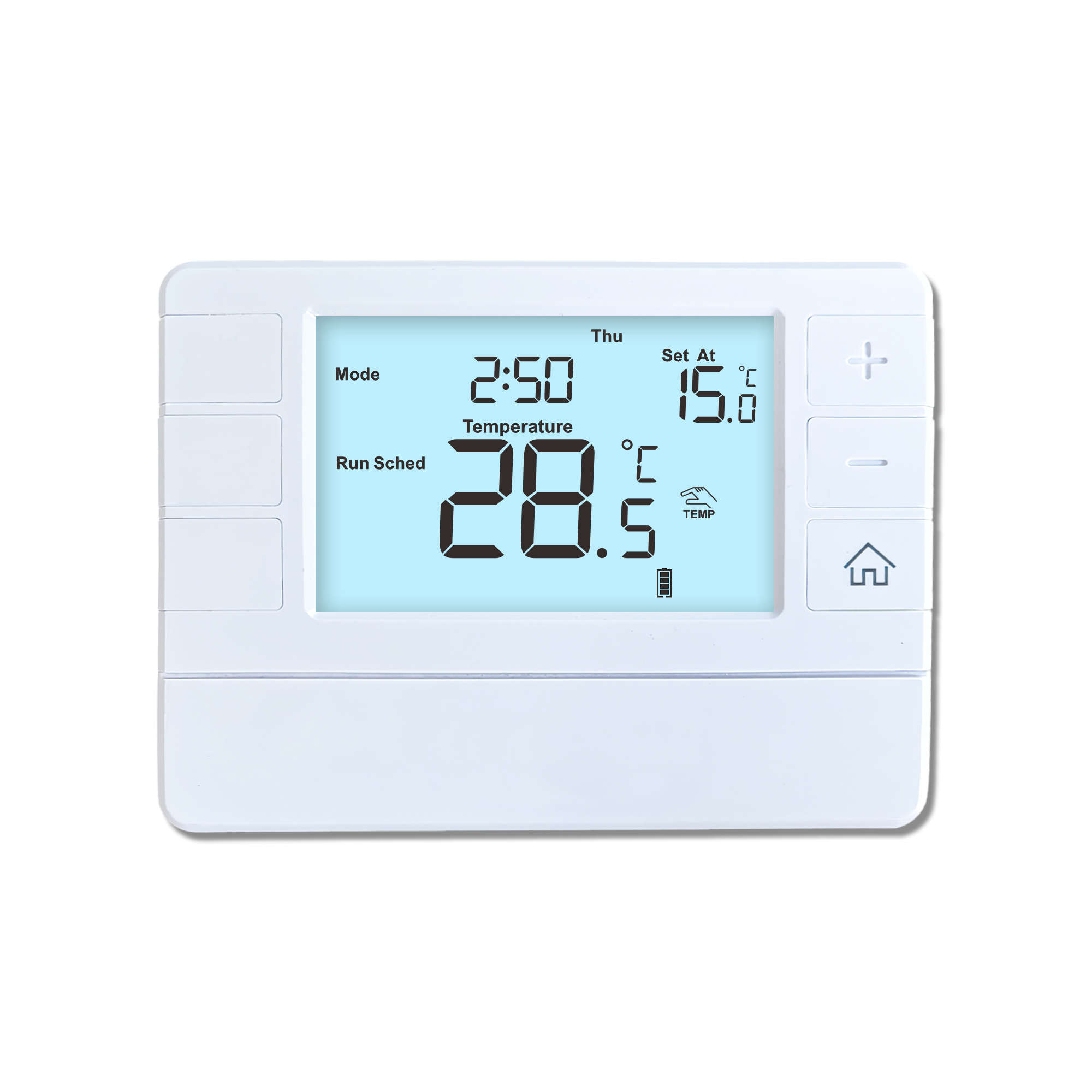
This shift has made traditional, manual thermostats obsolete, paving the way for advanced smart technologies.
Why You Need a Smart Thermostat
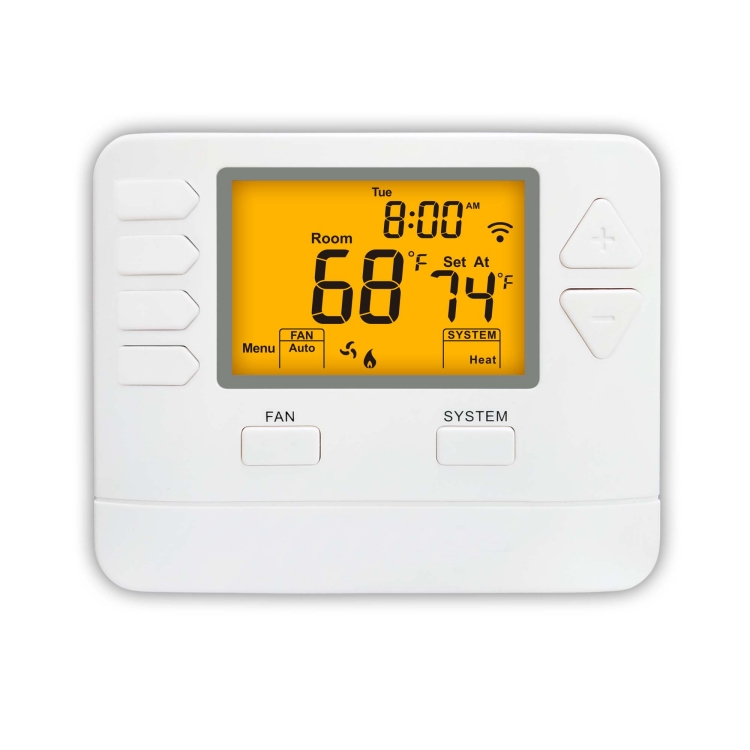
A true 7 Day programmable room thermostat offers the ultimate granular control. It allows users to program a distinct, customized heating and cooling schedule for every single day of the week.
How a 7 Day Programmable Room Thermostat Maximizes Home Comfort and Efficiency
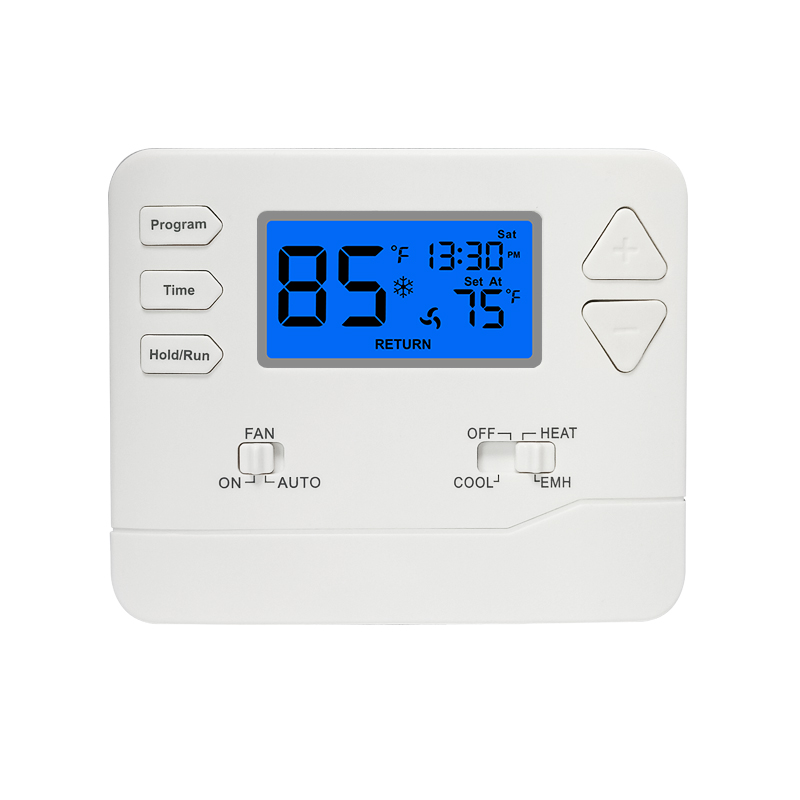
A premium Riseem thermostat is not just a digital display on your wall; it is the ultimate gatekeeper of your indoor environment.
Why a Quality Thermostat Is the Key to a More Comfortable Home
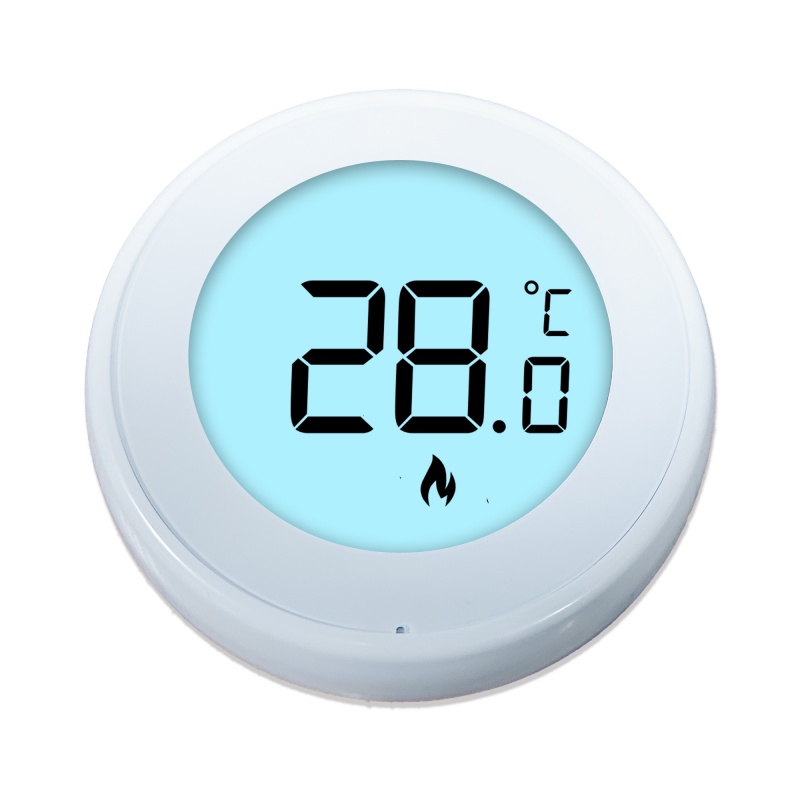
While the TUYA app provides the elegant interface, the physical thermostat remains the brain of the operation. Riseem has engineered a device that looks minimalist on your wall while delivering industrial-grade precision to your HVAC equipment.
Welcome to the Future of Home Automation The Ultimate Guide to TUYA WIFI Smart Thermostats