
what can cause a thermostat to go bad
author: Lily
2025-05-17
What Can Cause a Thermostat to Go Bad?
When your heating or cooling system seems to be acting up, the thermostat might be the culprit. But what exactly can cause a thermostat to go bad? Let’s explore this issue through a series of frequently asked questions and detailed answers to help you diagnose potential problems.


Q1: How does age contribute to thermostat failure?
A1: Just like any other electronic device, age takes a toll on thermostats. Over time, the internal components of a thermostat, such as the wiring, circuit boards, and sensors, can deteriorate. In older mechanical thermostats, the moving parts like bimetallic strips, which expand and contract to control the heating or cooling system, can wear out. This wear and tear can lead to inaccurate temperature readings and inconsistent operation. For example, a 15 - 20 - year - old thermostat might start to show fluctuations in temperature settings, turning the heating or cooling on and off at random intervals. Digital and smart thermostats, while more durable in some aspects, also have a lifespan. Their batteries may die, and software can become obsolete, causing malfunctions.
Q2: Can electrical issues damage a thermostat?
A2: Yes, electrical problems are a common cause of thermostat failure. Power surges, which can occur during lightning storms or due to issues with the electrical grid, can send a jolt of excess voltage through the thermostat. This sudden influx of electricity can fry the delicate electronic components inside, rendering the thermostat useless. Additionally, loose or frayed wiring connecting the thermostat to the heating or cooling system can disrupt the electrical signal. Poor electrical connections can cause the thermostat to receive incorrect information about the system’s status, leading to improper functioning. For instance, if the wiring is damaged, the thermostat might think the furnace is running when it’s not, or vice versa.
Q3: Does improper installation lead to thermostat problems?
A3: Improper installation is a significant factor that can cause a thermostat to malfunction. If the wrong wires are connected to the thermostat terminals during installation, it won't be able to communicate properly with the heating or cooling system. For example, mixing up the wires for heating and cooling can result in the system running in reverse, with the air conditioner turning on when heat is required and vice versa. Moreover, if the thermostat isn't mounted securely or is placed in an inappropriate location, such as near a heat source, a drafty window, or in direct sunlight, it will give inaccurate temperature readings. A thermostat installed near a radiator will always detect higher temperatures, causing the heating system to turn off prematurely.
Q4: Can environmental factors affect the lifespan of a thermostat?
A4: Environmental factors play a crucial role in the health of a thermostat. Excessive humidity can be particularly damaging, especially to the internal electronics. Moisture can seep into the thermostat housing, causing corrosion of the metal components and short - circuits. High - temperature environments can also be harmful. Prolonged exposure to extreme heat can cause the plastic parts of the thermostat to warp and the internal components to overheat, leading to failure. On the other hand, very cold temperatures can make the moving parts in mechanical thermostats become stiff and less responsive. Additionally, dust and debris can accumulate inside the thermostat, interfering with its sensors and other components over time.
Q5: Do regular maintenance neglect and incorrect usage impact the thermostat?
A5: Neglecting regular maintenance and using the thermostat incorrectly can definitely cause it to go bad. Failing to change the batteries in battery - powered thermostats can lead to a loss of power, causing the thermostat to stop working or display incorrect information. Not calibrating the thermostat periodically, especially in older models, can result in inaccurate temperature readings. Incorrect usage, such as constantly adjusting the temperature settings too frequently or setting the temperature to extreme levels, can put additional stress on the thermostat's components. For example, repeatedly switching a heating system on and off in quick succession through the thermostat can damage the relay switches inside.
In conclusion, a variety of factors, from age and electrical issues to installation errors, environmental conditions, and maintenance neglect, can cause a thermostat to go bad. By being aware of these potential causes, you can take proactive steps to prevent problems, such as proper installation, regular maintenance, and protecting the thermostat from harsh environmental conditions. If you suspect your thermostat is faulty, it's often best to consult a professional technician for diagnosis and repair.


how do i know if my thermostat is bad
do you turn the thermostat up or down for heat
Related Article
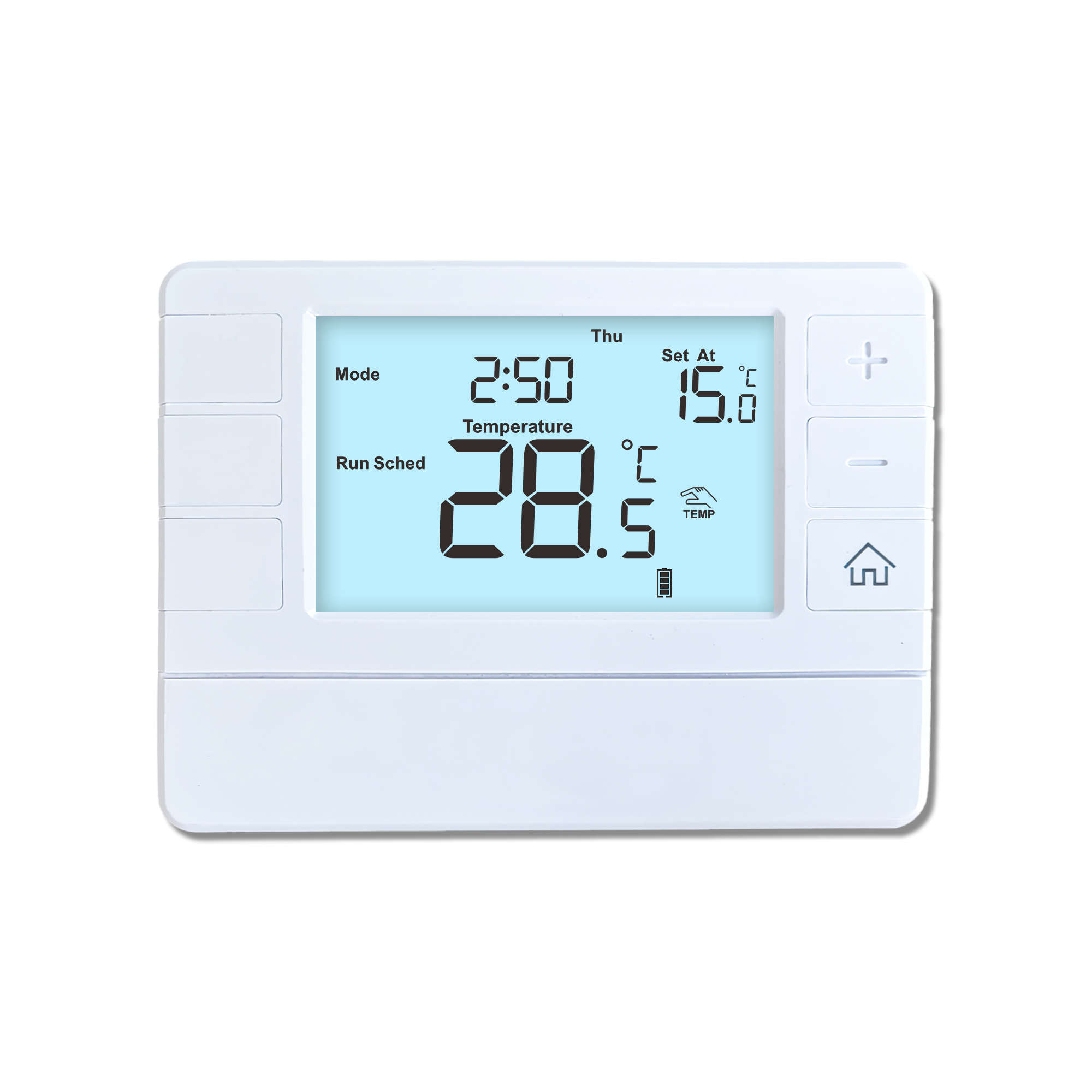
This shift has made traditional, manual thermostats obsolete, paving the way for advanced smart technologies.
Why You Need a Smart Thermostat
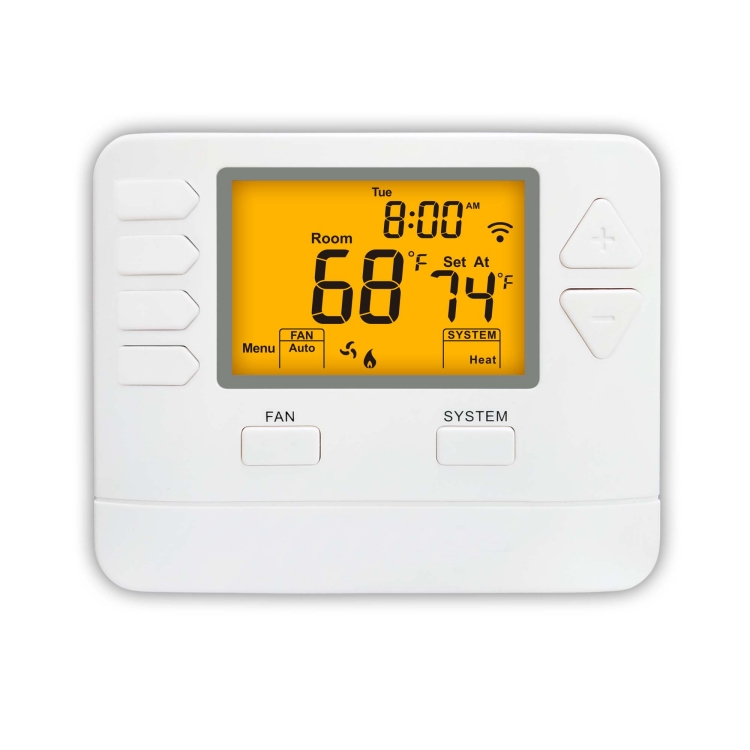
A true 7 Day programmable room thermostat offers the ultimate granular control. It allows users to program a distinct, customized heating and cooling schedule for every single day of the week.
How a 7 Day Programmable Room Thermostat Maximizes Home Comfort and Efficiency
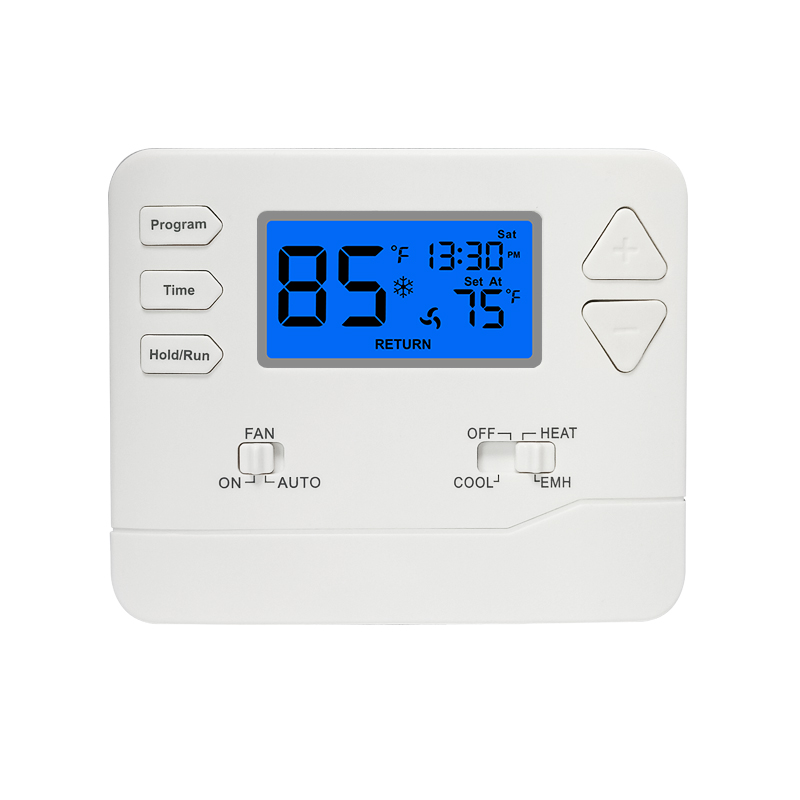
A premium Riseem thermostat is not just a digital display on your wall; it is the ultimate gatekeeper of your indoor environment.
Why a Quality Thermostat Is the Key to a More Comfortable Home
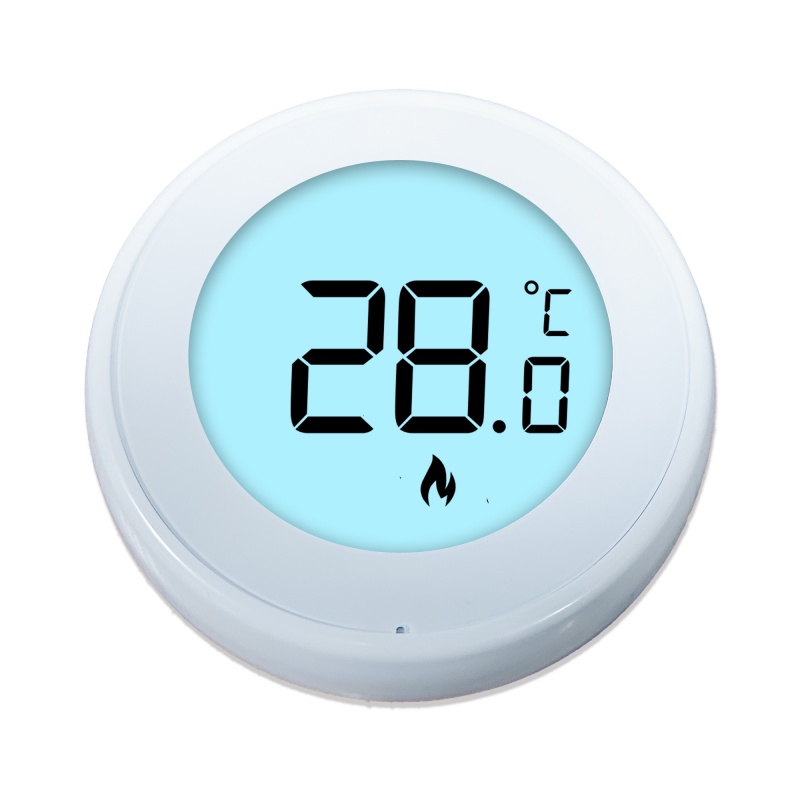
While the TUYA app provides the elegant interface, the physical thermostat remains the brain of the operation. Riseem has engineered a device that looks minimalist on your wall while delivering industrial-grade precision to your HVAC equipment.
Welcome to the Future of Home Automation The Ultimate Guide to TUYA WIFI Smart Thermostats