
what does a thermostat do
author: Lily
2025-04-14
What Does a Thermostat Do?


In the modern home, a thermostat is a crucial device that often goes unnoticed until there’s a problem with the temperature. But what exactly does a thermostat do? This unassuming device plays a pivotal role in maintaining a comfortable indoor environment by controlling the heating, ventilation, and air - conditioning (HVAC) system. Understanding how it works can not only help homeowners appreciate its importance but also enable them to use it more effectively and troubleshoot common issues.
The Basic Principle of a Thermostat
At its core, a thermostat is a temperature - sensing and control device. It operates based on the simple principle of maintaining a set temperature, known as the “setpoint.” The thermostat constantly monitors the ambient temperature of the room where it is installed. When the detected temperature deviates from the setpoint, the thermostat sends signals to the HVAC system to either turn on or off, adjusting the heating or cooling output accordingly. This process is similar to a home’s “temperature - regulating brain,” ensuring that the indoor climate stays within a comfortable range.
How a Thermostat Works
Sensing the Temperature
The first step in a thermostat’s operation is temperature sensing. Modern thermostats typically use electronic sensors, such as thermistors or thermocouples. These sensors are highly sensitive to changes in temperature. As the temperature in the room fluctuates, the electrical resistance or voltage of these sensors changes. For example, a thermistor’s resistance decreases as the temperature rises. The thermostat’s internal circuitry then converts these electrical changes into a temperature reading that can be displayed on its screen.
Comparing with the Setpoint
Once the thermostat has measured the current temperature, it compares this reading with the setpoint that the user has programmed. The setpoint is the desired temperature that the homeowner wants to maintain in the room. If the current temperature is lower than the setpoint in heating mode, or higher than the setpoint in cooling mode, the thermostat determines that action is needed.
Sending Signals to the HVAC System
Based on the comparison, the thermostat sends electrical signals to the HVAC system. In heating mode, when the temperature is too low, the thermostat signals the furnace or boiler to start producing heat. In cooling mode, when the temperature is too high, it sends a signal to the air - conditioning unit to turn on and start cooling the air. Once the measured temperature reaches the setpoint, the thermostat sends another signal to the HVAC system to turn off, preventing over - heating or over - cooling.
Different Types of Thermostats and Their Functions
Manual Thermostats
Manual thermostats are the most basic type. They require users to manually adjust the temperature setting by turning a dial or sliding a lever. These thermostats simply turn the HVAC system on or off based on the setpoint. While they are straightforward to use, they lack advanced features like programmability, which means users have to adjust the temperature manually throughout the day to adapt to changing needs.
Programmable Thermostats
Programmable thermostats offer more flexibility and energy - saving potential. Homeowners can set different temperature schedules for various times of the day and days of the week. For example, they can program the thermostat to lower the temperature at night when everyone is sleeping or when no one is home during the day. This allows for optimized energy use, as the HVAC system only runs when necessary to maintain comfort, reducing energy consumption and utility bills.
Smart Thermostats
Smart thermostats represent the latest in thermostat technology. They connect to a home’s Wi - Fi network and can be controlled remotely using a smartphone app or voice - activated assistants like Amazon Alexa or Google Assistant. Smart thermostats can learn a household’s temperature preferences and habits over time, automatically adjusting the temperature to maximize comfort and efficiency. Some models can even integrate with other smart home devices, such as weather apps, to anticipate temperature changes and adjust the HVAC system proactively.
The Importance of a Thermostat
A properly functioning thermostat is essential for several reasons. Firstly, it ensures comfort. Whether it’s a cold winter day or a sweltering summer afternoon, a thermostat helps maintain an ideal indoor temperature, allowing residents to relax and enjoy their living spaces. Secondly, it promotes energy efficiency. By accurately controlling the HVAC system, a thermostat reduces unnecessary operation, saving energy and cutting down on electricity or gas bills. Additionally, a well - calibrated thermostat extends the lifespan of the HVAC equipment. When the system isn’t constantly turning on and off due to inaccurate temperature readings, the components experience less wear and tear, reducing the likelihood of breakdowns and costly repairs.
In conclusion, a thermostat is far more than just a device on the wall that shows the temperature. It is a sophisticated and integral part of a home’s HVAC system, responsible for maintaining comfort, saving energy, and protecting the longevity of heating and cooling equipment. As technology continues to evolve, thermostats are becoming even more intelligent and efficient, further enhancing their role in modern homes.


what temperature to set thermostat when on vacation in winter
why is my thermostat flashing cool on
Related Article
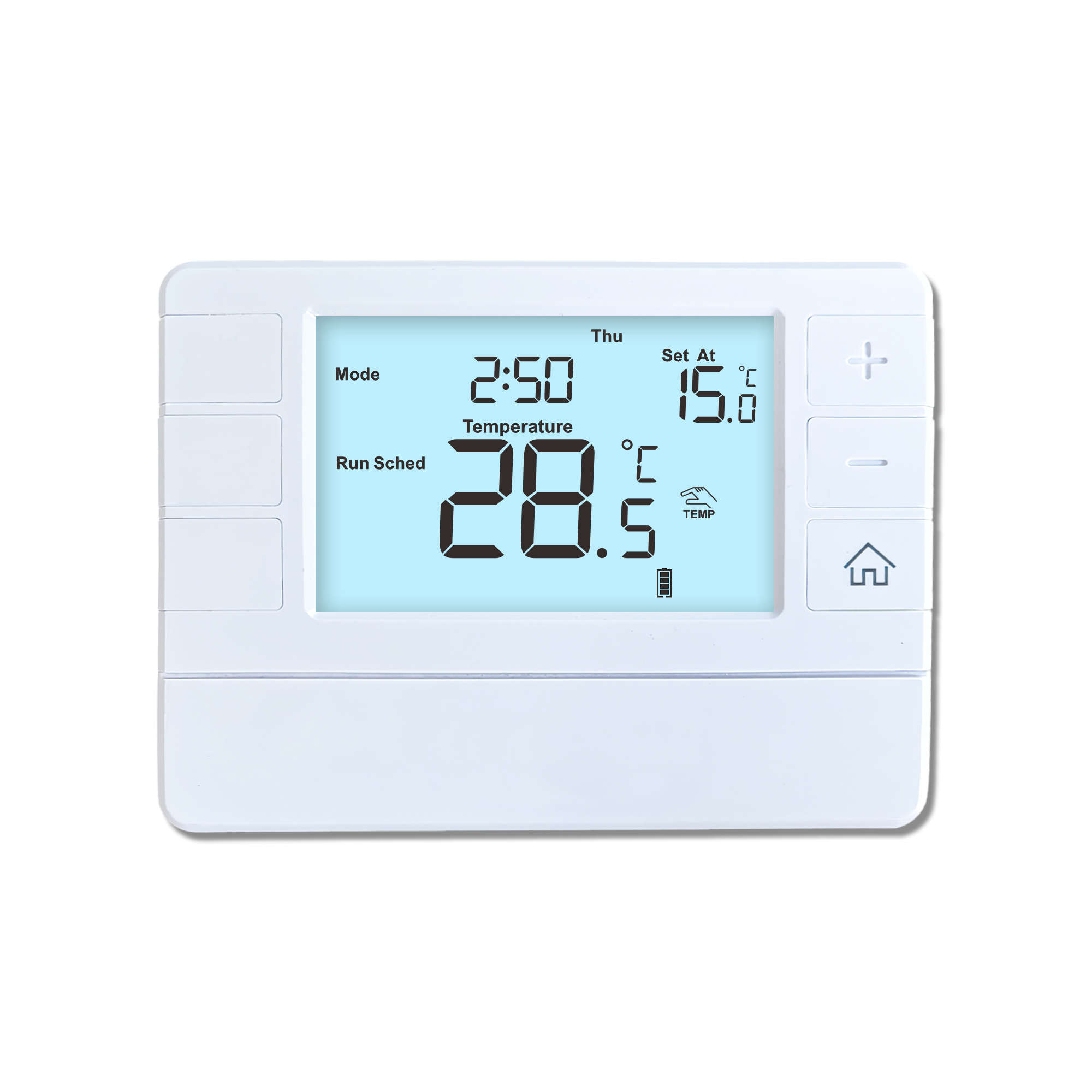
This shift has made traditional, manual thermostats obsolete, paving the way for advanced smart technologies.
Why You Need a Smart Thermostat
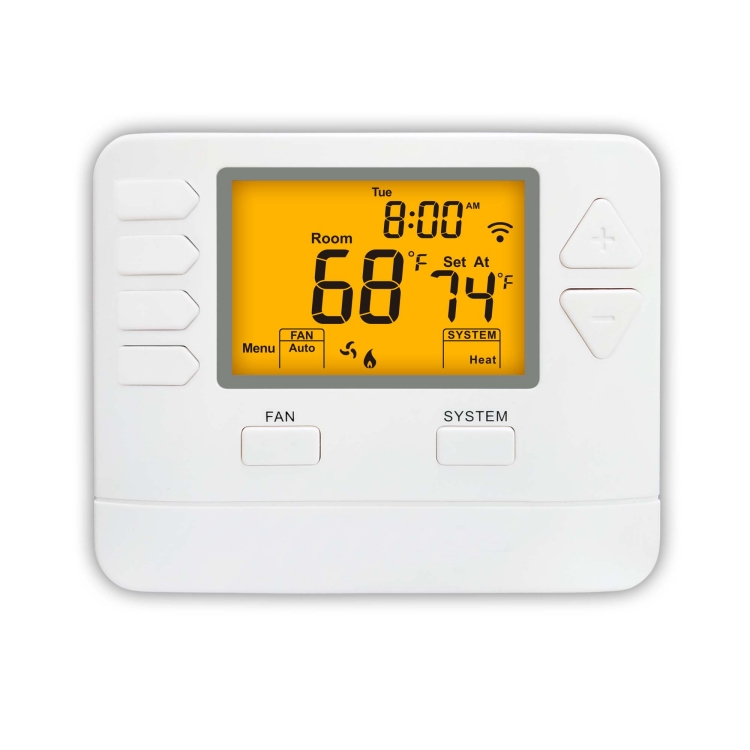
A true 7 Day programmable room thermostat offers the ultimate granular control. It allows users to program a distinct, customized heating and cooling schedule for every single day of the week.
How a 7 Day Programmable Room Thermostat Maximizes Home Comfort and Efficiency
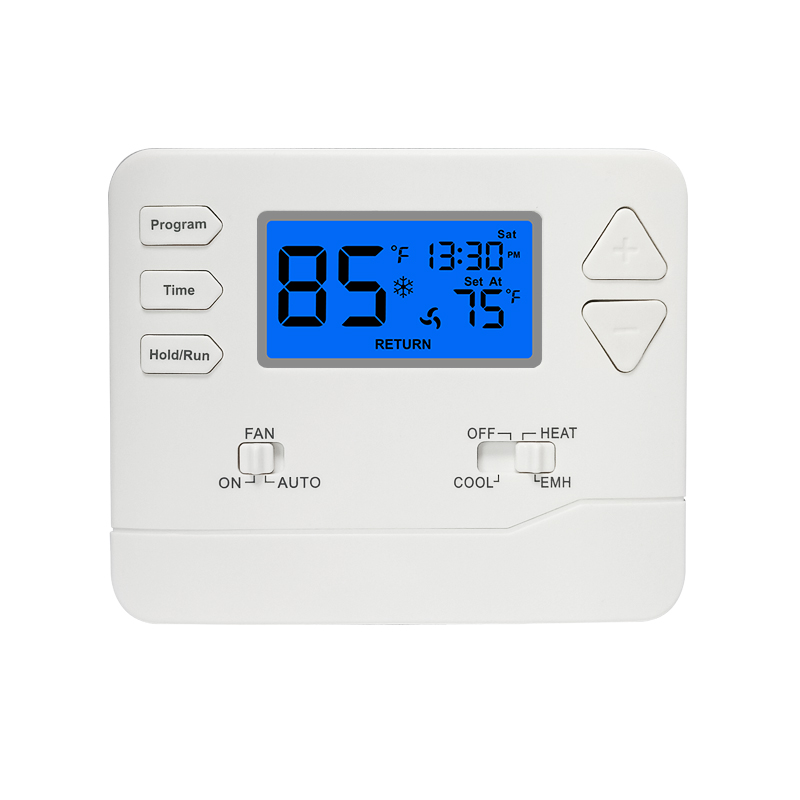
A premium Riseem thermostat is not just a digital display on your wall; it is the ultimate gatekeeper of your indoor environment.
Why a Quality Thermostat Is the Key to a More Comfortable Home
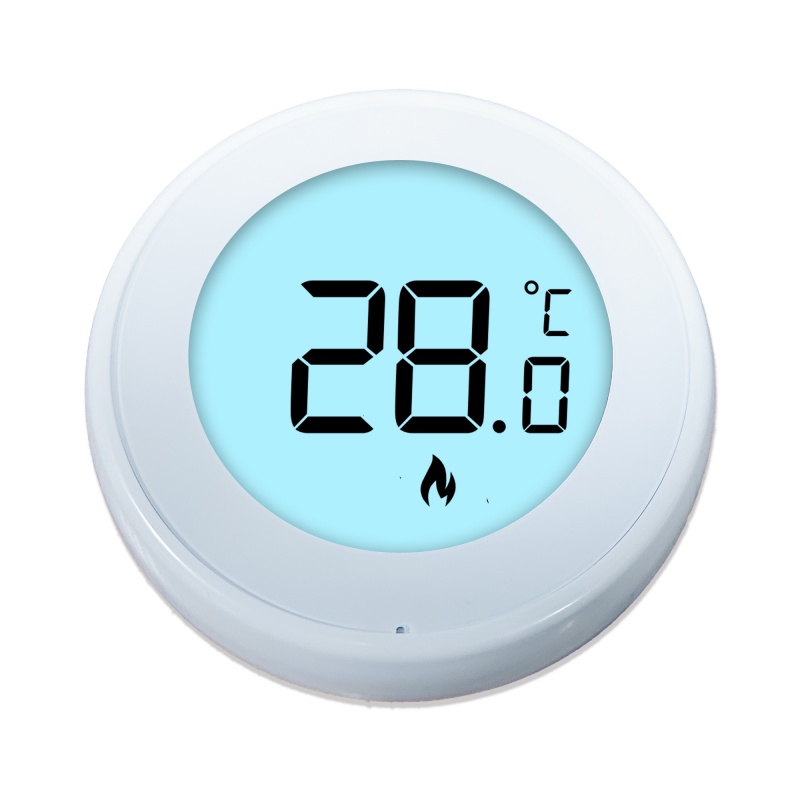
While the TUYA app provides the elegant interface, the physical thermostat remains the brain of the operation. Riseem has engineered a device that looks minimalist on your wall while delivering industrial-grade precision to your HVAC equipment.
Welcome to the Future of Home Automation The Ultimate Guide to TUYA WIFI Smart Thermostats