
What factors affect the service life of electronic thermostats
author: Lily
2025-03-18
What Factors Affect the Service Life of Electronic Thermostats?

Electronic thermostats are integral components in various heating, ventilation, and air - conditioning (HVAC) systems, as well as in numerous other applications where precise temperature control is crucial. The lifespan of these devices can vary significantly based on several key factors.
1. Environmental Conditions
Temperature and Humidity
- Extreme Temperatures: Electronic thermostats are designed to operate within a specific temperature range. Exposure to temperatures far beyond this range can have detrimental effects. In high - temperature environments, the electronic components inside the thermostat, such as integrated circuits and resistors, may experience accelerated aging. The increased heat can cause the materials to expand and contract repeatedly, leading to mechanical stress and potentially cracking or breaking of delicate connections. For example, in industrial settings with large furnaces or in outdoor applications during heatwaves, the thermostat may be subjected to temperatures well above its rated limit. On the other hand, extremely low temperatures can make the plastic and rubber components in the thermostat brittle, reducing their flexibility and increasing the risk of damage. This is particularly relevant in cold storage facilities or in regions with harsh winters.
- High Humidity: Moisture is a major enemy of electronic devices. In humid environments, water vapor can condense inside the thermostat, creating a conductive path between different electrical components. This can result in short - circuits, corrosion of metal parts, and degradation of the printed circuit board. In areas with high humidity levels, such as near coastal regions or in facilities with high - humidity processes like textile manufacturing or food processing, proper moisture protection measures for the thermostat are essential.
Dust and Contaminants
- Dust Accumulation: Over time, dust particles can infiltrate the thermostat through small openings or gaps. A significant build - up of dust can insulate the internal components, preventing proper heat dissipation. This causes the components to run hotter than normal, which in turn speeds up the aging process. Additionally, dust can also interfere with the movement of mechanical parts, if present, and affect the accuracy of sensors. In industrial plants, workshops, or homes with poor air filtration, dust accumulation is a common issue that can shorten the lifespan of the thermostat.
- Chemical Contaminants: Exposure to certain chemicals, such as acids, alkalis, or volatile organic compounds (VOCs), can corrode the metal parts and damage the protective coatings on the electronic components. In industrial settings where there are chemical fumes, or in areas near chemical storage facilities, the thermostat may be at risk. Even in some homes, cleaning agents or household products that release VOCs can potentially harm the thermostat if it is in close proximity.
Electromagnetic Interference (EMI)
- External Sources: Electronic thermostats can be disrupted by strong electromagnetic fields generated by nearby electrical equipment, such as motors, transformers, or wireless communication devices. EMI can interfere with the signals transmitted between the thermostat's sensors, microcontroller, and other components. This interference may cause incorrect temperature readings, erratic control behavior, or even permanent damage to the sensitive electronic circuits. In modern buildings with a high density of electrical and electronic devices, proper shielding and grounding of the thermostat are necessary to minimize the impact of EMI.
2. Power - Related Factors
Voltage Fluctuations
- Over - Voltage and Under - Voltage: Electronic thermostats are designed to operate at a specific voltage level. Sudden spikes or drops in the supply voltage can stress the internal components. Over - voltage situations can cause excessive current to flow through the components, leading to overheating and potential burnout. For example, a power surge during a lightning storm or due to a malfunction in the electrical grid can severely damage the thermostat. Under - voltage conditions, on the other hand, may prevent the thermostat from functioning properly, causing the control algorithms to operate erratically. This can also put additional strain on the components as they struggle to operate with insufficient power.
- Power Quality: Poor power quality, which includes factors such as voltage sags, swells, and harmonics, can also affect the lifespan of the thermostat. Voltage sags (short - term reductions in voltage) and swells (short - term increases in voltage) can disrupt the normal operation of the device. Harmonics, which are multiples of the fundamental power frequency, can cause additional heating in the electrical components due to increased current distortion. In areas with unreliable power grids or in facilities with a large number of non - linear electrical loads (such as variable - speed drives or fluorescent lighting), power conditioners may be required to protect the thermostat.
Frequent Power Cycling
- On - Off Stress: Every time an electronic thermostat is turned on or off, there is a sudden change in current flow. This inrush current can be several times higher than the normal operating current and can cause mechanical stress on the electrical contacts and components. Frequent power cycling, such as in applications where the thermostat is repeatedly turned on and off in a short period, can accelerate the wear and tear of these components. For example, in some industrial processes where the heating or cooling system is cycled frequently to maintain tight temperature control, the thermostat may experience more rapid degradation.
3. Usage Patterns
Operating Hours
- Continuous vs. Intermittent Use: Electronic thermostats that are used continuously for long periods, such as in commercial refrigeration systems or industrial process control, are more likely to experience wear and tear compared to those used intermittently. The longer the operating hours, the more time the components are exposed to electrical stress, heat, and other environmental factors. In contrast, thermostats in residential applications that are used mainly during certain times of the day or season may have a longer lifespan. However, even intermittent use can still cause significant wear if the operating conditions are harsh.
Temperature Setpoint Changes
- Frequent Adjustments: Constantly changing the temperature setpoint on the thermostat can put additional stress on the control system. Each time the setpoint is adjusted, the thermostat has to initiate a new control sequence, which may involve rapidly changing the power output to the heating or cooling equipment. This can cause the electrical components, such as relays and power transistors, to wear out more quickly. In applications where the temperature requirements are highly variable, such as in research laboratories or some manufacturing processes, the thermostat may be more prone to premature failure.
4. Hardware - Related Factors
Component Quality
- Grade of Electronic Components: The quality of the electronic components used in the thermostat plays a crucial role in determining its lifespan. High - quality components, such as precision resistors, capacitors with long - lasting dielectric materials, and reliable integrated circuits, are more likely to withstand the rigors of normal operation over an extended period. Cheaper components may have shorter expected lifetimes, higher failure rates, and may be more sensitive to environmental and electrical stress. Manufacturers who use premium components in their thermostats are more likely to produce devices with longer service lives.
- Mechanical Parts (if applicable): Some thermostats may have mechanical components, such as switches, valves, or actuators. The durability of these mechanical parts depends on factors such as the materials used, the manufacturing quality, and the frequency of operation. For example, a thermostat with a mechanical switch that is used thousands of times may experience wear and eventually fail. Regular maintenance and replacement of these mechanical parts, if possible, can help extend the overall lifespan of the thermostat.
Circuit Design
- Thermal Management: A well - designed thermostat will have proper thermal management features to dissipate the heat generated by the internal components. This may include heat sinks, ventilation channels, or efficient printed circuit board layouts that allow for better heat transfer. If the thermal management is inadequate, the components may overheat, leading to reduced performance and shorter lifespan. In high - power applications or in thermostats with complex circuitry, effective thermal management is especially important.
- Electrical Protection: The circuit design should also incorporate protection mechanisms against over - current, over - voltage, and electrostatic discharge (ESD). Protective components such as fuses, surge protectors, and ESD suppressors can safeguard the sensitive electronic components from damage. A lack of proper electrical protection can make the thermostat vulnerable to various electrical faults, which can significantly shorten its lifespan.
5. Maintenance and Calibration
Regular Cleaning
- Dust and Debris Removal: Periodically cleaning the thermostat to remove dust, dirt, and debris can help maintain its performance and extend its lifespan. This can be done using a soft brush or compressed air to gently clean the internal and external surfaces. By preventing the build - up of contaminants, the risk of overheating, short - circuits, and mechanical interference is reduced.
Calibration
- Accuracy Maintenance: Over time, the sensors in the thermostat may drift, leading to inaccurate temperature readings. Regular calibration can ensure that the thermostat continues to provide accurate temperature control. Calibration involves comparing the thermostat's readings with a known accurate temperature source and adjusting the internal settings as necessary. In applications where precise temperature control is critical, such as in pharmaceutical manufacturing or scientific research, regular calibration is essential.
Component Replacement
- Worn - Out Parts: If any components in the thermostat show signs of wear or failure, such as a damaged sensor or a malfunctioning relay, timely replacement is crucial. Ignoring these issues can lead to further damage to other components and ultimately shorten the lifespan of the thermostat. In some cases, manufacturers may provide replacement parts and instructions for DIY replacement, while in others, professional repair services may be required.
In conclusion, the service life of electronic thermostats is influenced by a complex interplay of environmental, power - related, usage, hardware, and maintenance factors. By understanding these factors and taking appropriate measures, such as providing a suitable operating environment, ensuring stable power supply, using high - quality components, and performing regular maintenance, users can maximize the lifespan of their electronic thermostats and ensure reliable temperature control over an extended period.


Should my thermostat be set to heat or cool
How does a thermostat control the operation of heating or cooling equipment according to the set temperature
Related Article
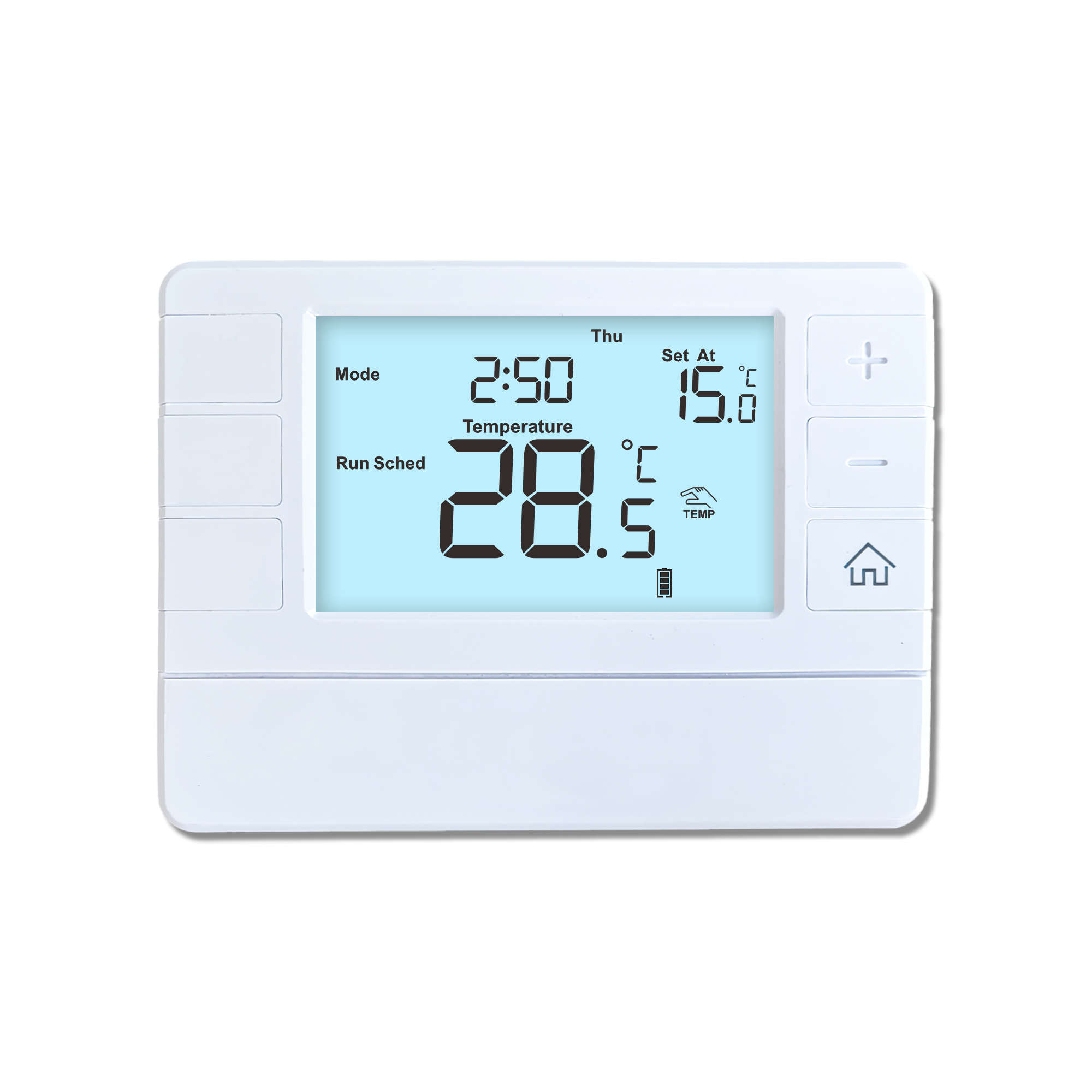
This shift has made traditional, manual thermostats obsolete, paving the way for advanced smart technologies.
Why You Need a Smart Thermostat
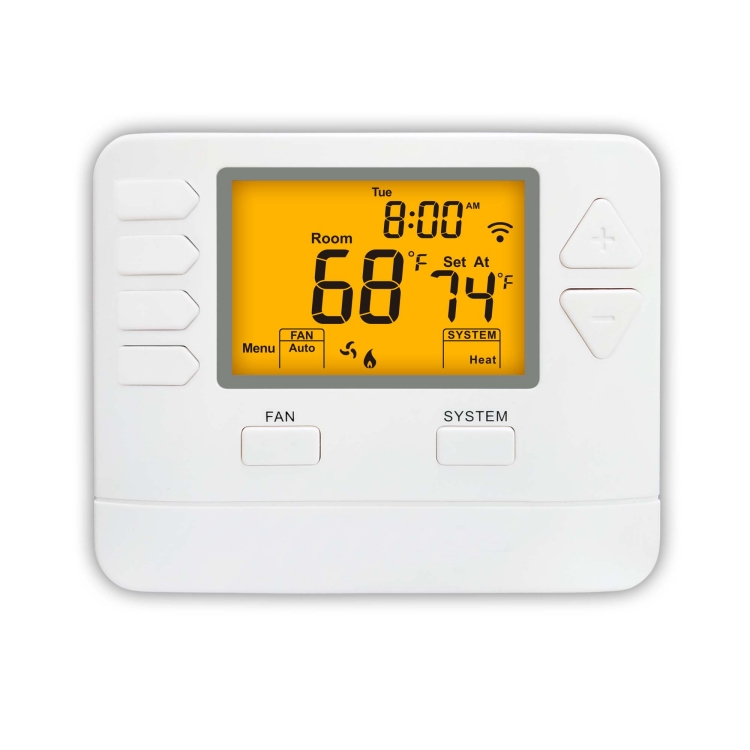
A true 7 Day programmable room thermostat offers the ultimate granular control. It allows users to program a distinct, customized heating and cooling schedule for every single day of the week.
How a 7 Day Programmable Room Thermostat Maximizes Home Comfort and Efficiency
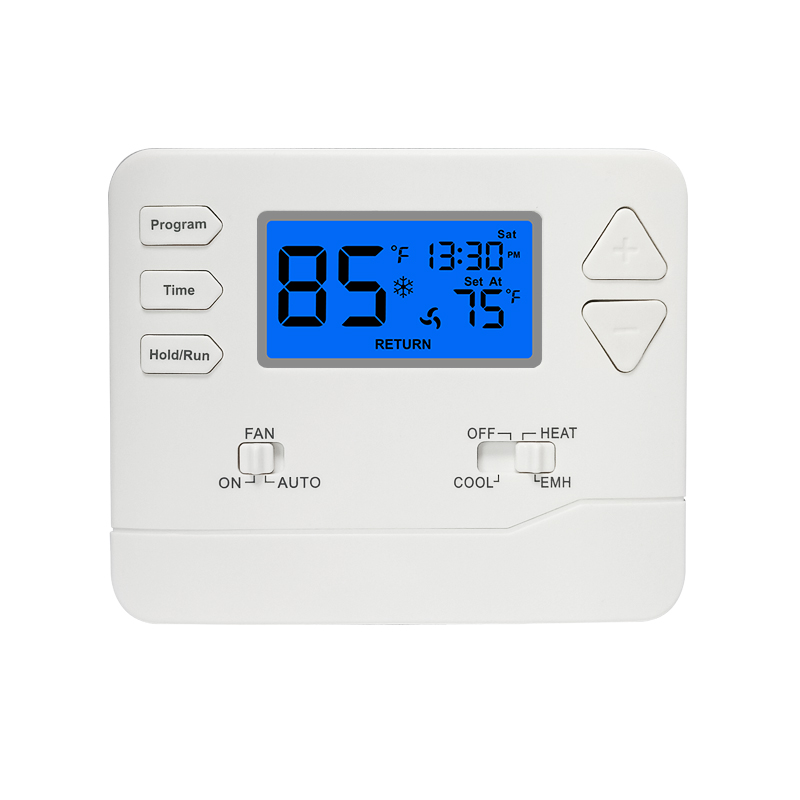
A premium Riseem thermostat is not just a digital display on your wall; it is the ultimate gatekeeper of your indoor environment.
Why a Quality Thermostat Is the Key to a More Comfortable Home
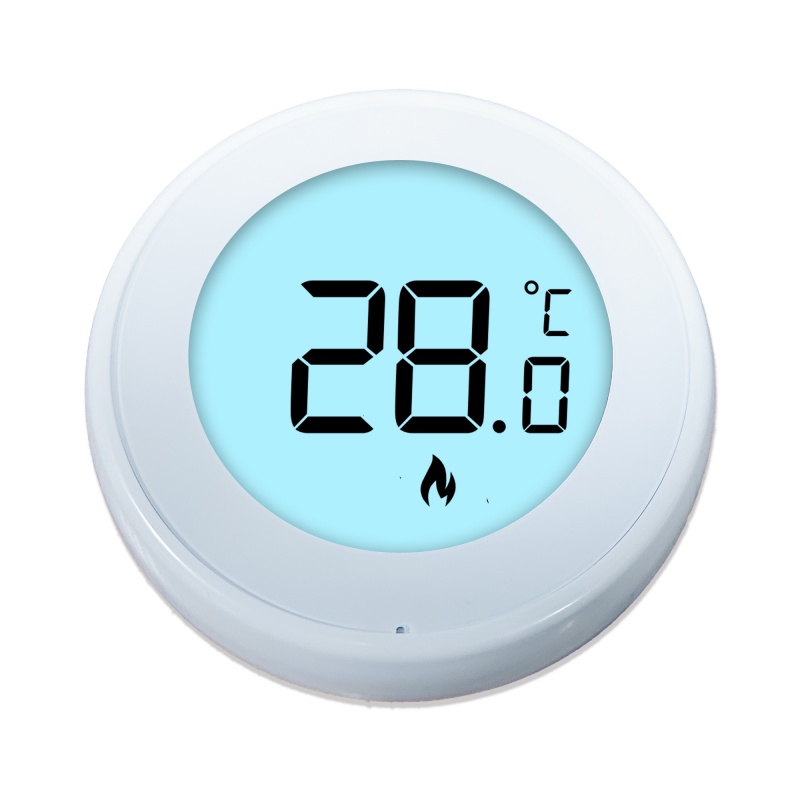
While the TUYA app provides the elegant interface, the physical thermostat remains the brain of the operation. Riseem has engineered a device that looks minimalist on your wall while delivering industrial-grade precision to your HVAC equipment.
Welcome to the Future of Home Automation The Ultimate Guide to TUYA WIFI Smart Thermostats