
What is a home heating thermostat
author: Lily
2025-03-05
What is a Home Heating Thermostat
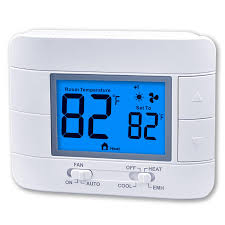
A home heating thermostat is a crucial device that plays a fundamental role in maintaining a comfortable indoor temperature within a household. It serves as the central control unit for a home's heating system, allowing homeowners to regulate and manage the warmth of their living spaces.
Definition and Basic Function
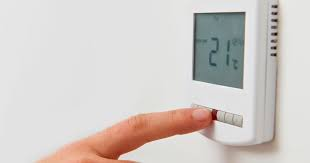
At its core, a thermostat is a device that senses the air temperature in a room or throughout the home. It acts as a bridge between the heating equipment (such as a furnace, boiler, or heat pump) and the desired temperature set by the user. The primary function of a home heating thermostat is to ensure that the indoor temperature remains close to the pre-set temperature. It does this by turning the heating system on when the temperature drops below the setpoint and turning it off when the setpoint is reached or exceeded. For example, on a cold winter day, if you set your thermostat to 70°F (21°C), the thermostat will detect when the room temperature falls below this value. Once it does, it will send a signal to the heating system, prompting it to start running and warm up the air in the room.
How Does It Work?
Sensor Technology
Modern thermostats use various types of sensors to detect temperature. One common type is the thermistor, which is a resistor whose resistance changes with temperature. In a digital thermostat, the thermistor is part of a circuit. As the temperature around the thermistor changes, its resistance also changes. This change in resistance is then measured by the thermostat's microcontroller. The microcontroller converts the resistance value into a temperature reading. For instance, as the room cools down, the resistance of the thermistor increases, and the microcontroller interprets this increase as a drop in temperature.
Mechanical vs. Digital Thermostats
- Mechanical Thermostats: These are older - style thermostats. They often use a bimetallic strip. A bimetallic strip is made up of two different metals bonded together. Since different metals expand and contract at different rates with temperature changes, when the temperature around the bimetallic strip changes, it causes the strip to bend. This bending action is connected to a switch within the thermostat. When the strip bends enough, it closes or opens the switch, which in turn turns the heating system on or off. For example, in a mechanical thermostat set to a certain temperature, as the room cools, the bimetallic strip bends in a way that closes the electrical circuit, starting the heating system.
- Digital Thermostats: Digital thermostats, on the other hand, are more advanced. They use the sensor technology (such as thermistors) to accurately measure the temperature. Once the temperature is measured, the digital thermostat compares it to the pre - set temperature programmed by the user. If there is a difference, the thermostat sends an electrical signal to the heating system's control board. This signal can be in the form of a low - voltage electrical impulse that tells the heating system to start or stop operating.
Programmable and Smart Thermostats
- Programmable Thermostats: Programmable thermostats offer the convenience of setting different temperature schedules for different times of the day or week. They have built - in clocks. For example, you can program your thermostat to lower the temperature to 65°F (18°C) at night when you are sleeping and then raise it to 70°F (21°C) in the morning before you wake up. This helps save energy as the heating system doesn't need to maintain a higher temperature throughout the night when you don't need it.
- Smart Thermostats: Smart thermostats take programmability a step further. They are connected to the home's Wi - Fi network, allowing users to control them remotely using a smartphone app or other smart devices. They can also learn the user's temperature preferences over time. For instance, if you usually lower the temperature in the living room when you leave for work in the morning, a smart thermostat can detect this pattern and automatically adjust the temperature accordingly. Some smart thermostats can also integrate with other smart home devices, such as voice assistants, enabling you to control the temperature with voice commands.
Types of Home Heating Thermostats
Manual Thermostats
Manual thermostats are the simplest type. They typically have a dial or a knob that you turn to set the desired temperature. When the room temperature deviates from the set value, the thermostat activates the heating system. However, they lack the ability to be programmed for different times, so you need to manually adjust the temperature whenever you want a change. They are often the most affordable option and are relatively easy to install.
Programmable Thermostats
As mentioned earlier, programmable thermostats allow you to set multiple temperature settings for different times of the day. They can have different schedules for weekdays and weekends. For example, you can set it to keep the temperature at 68°F (20°C) during the day when you are at work and then raise it to 72°F (22°C) in the evening when you are home. This type of thermostat can significantly reduce energy consumption and heating costs.
Smart Thermostats
Smart thermostats offer advanced features. In addition to remote control and learning capabilities, they can provide energy usage reports. This allows you to see how much energy your heating system is consuming at different times. Some smart thermostats can also adjust the temperature based on the occupancy of the room. For example, if they detect that no one is in a particular room for an extended period, they can lower the temperature to save energy.
Importance of a Home Heating Thermostat
Comfort
The most obvious benefit of a home heating thermostat is the comfort it provides. It ensures that your living environment is neither too hot nor too cold, creating an ideal space for relaxation, work, and sleep. Whether it's a freezing winter day or a cool autumn evening, you can rely on the thermostat to maintain a comfortable indoor climate.
Energy Efficiency
A properly set thermostat can lead to significant energy savings. By using programmable or smart thermostats, you can avoid overheating your home when it's not necessary. For example, reducing the temperature by a few degrees during the night or when you are away from home can cut down on energy consumption. According to the U.S. Department of Energy, properly programming a thermostat can save up to 10% a year on heating and cooling costs.
Cost Savings
Since a well - functioning thermostat helps in conserving energy, it directly translates into cost savings on your utility bills. Over time, the money saved from reduced energy consumption can add up, making it a worthwhile investment. Additionally, by preventing the heating system from running inefficiently due to incorrect temperature settings, you can also extend the lifespan of your heating equipment, which can save you money on repairs and replacements.
In conclusion, a home heating thermostat is an essential component of any home's heating system. It not only provides comfort but also offers the potential for energy and cost savings. With the variety of thermostats available in the market, homeowners can choose the one that best suits their needs, lifestyle, and budget.


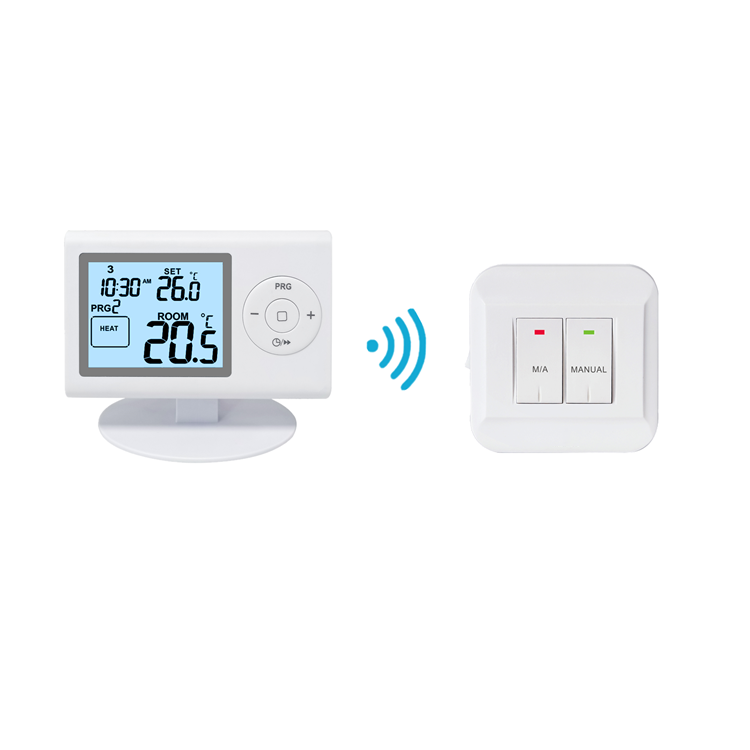
What is a thermostat used for
What does a room thermostat do
Related Article
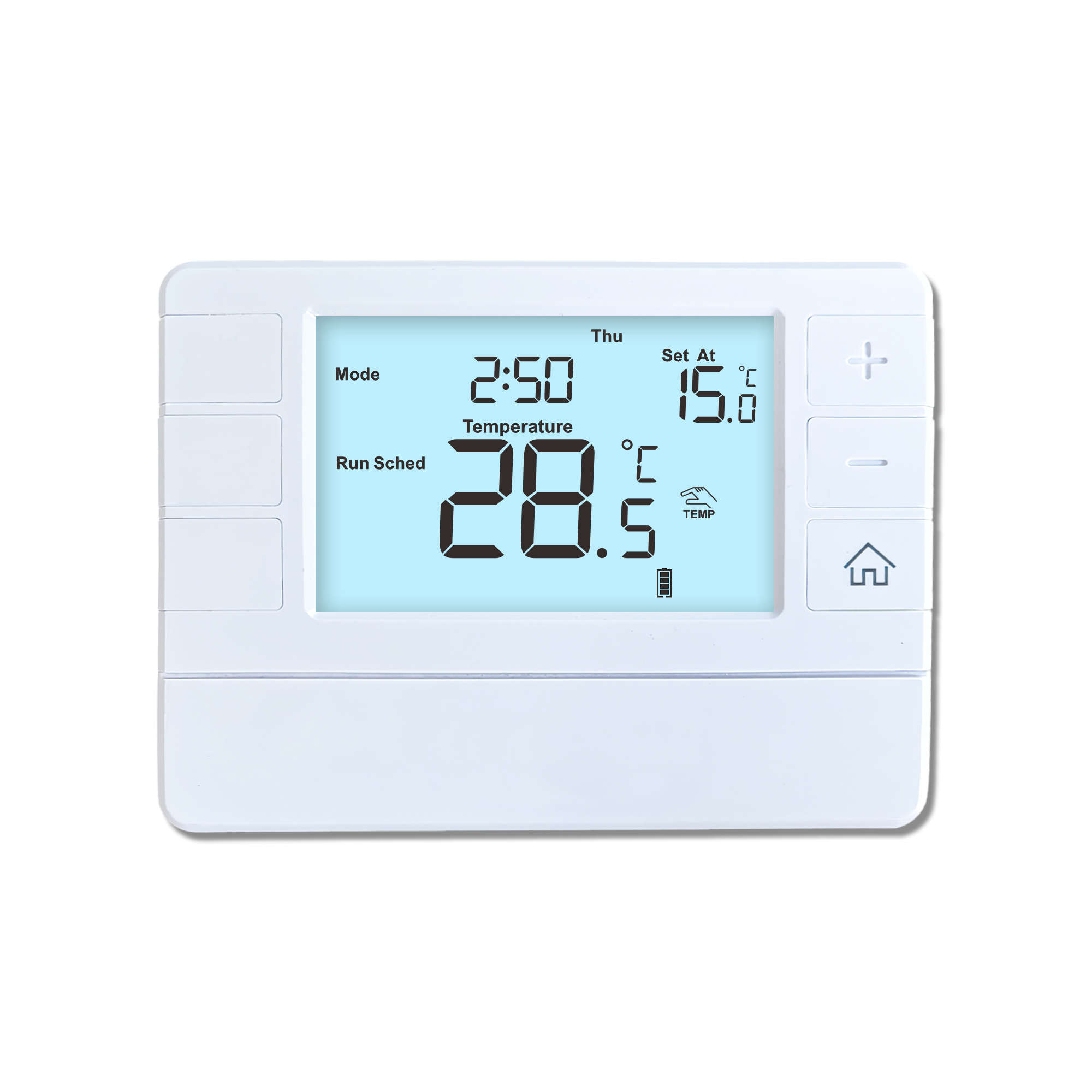
This shift has made traditional, manual thermostats obsolete, paving the way for advanced smart technologies.
Why You Need a Smart Thermostat
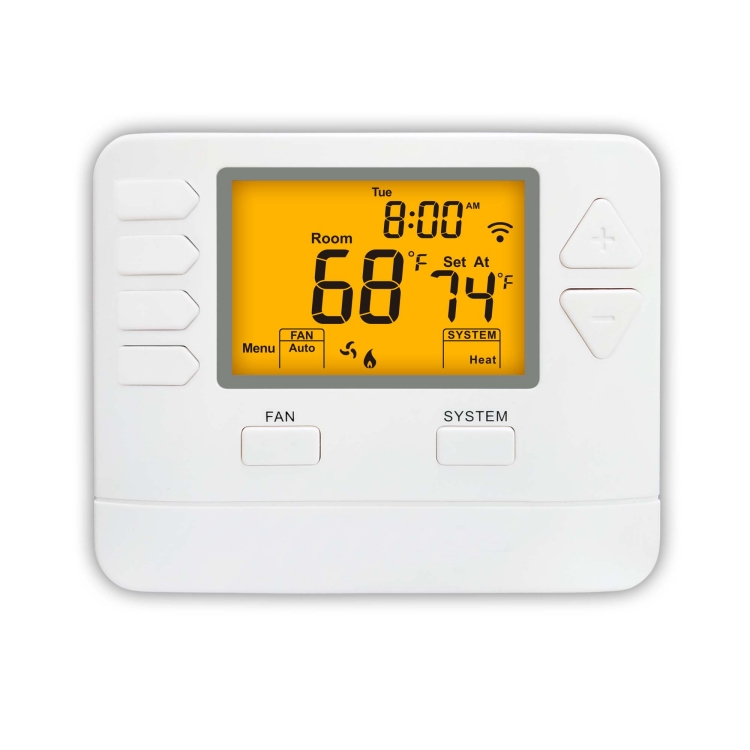
A true 7 Day programmable room thermostat offers the ultimate granular control. It allows users to program a distinct, customized heating and cooling schedule for every single day of the week.
How a 7 Day Programmable Room Thermostat Maximizes Home Comfort and Efficiency
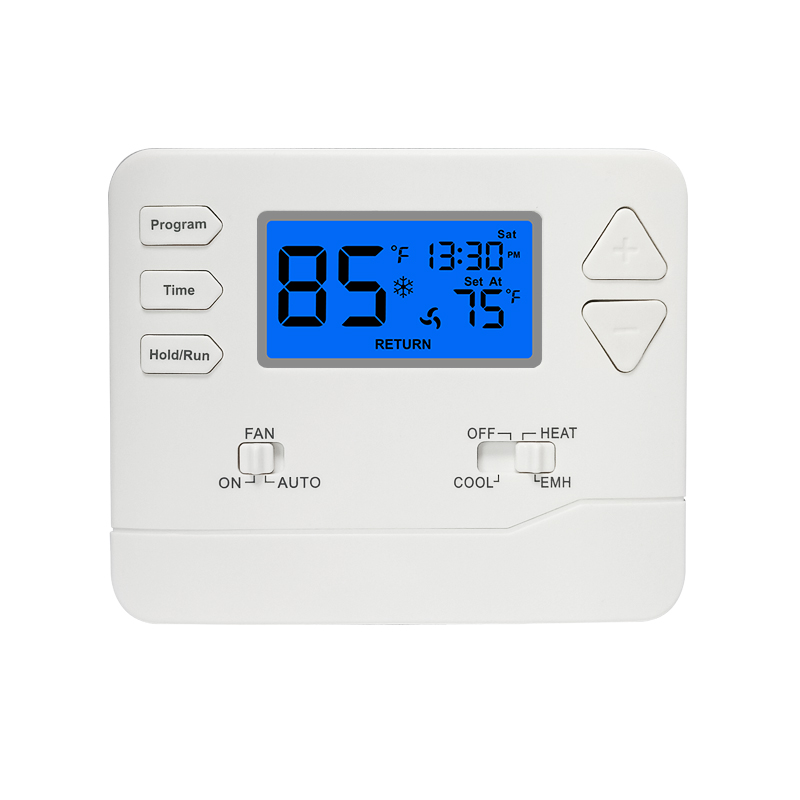
A premium Riseem thermostat is not just a digital display on your wall; it is the ultimate gatekeeper of your indoor environment.
Why a Quality Thermostat Is the Key to a More Comfortable Home
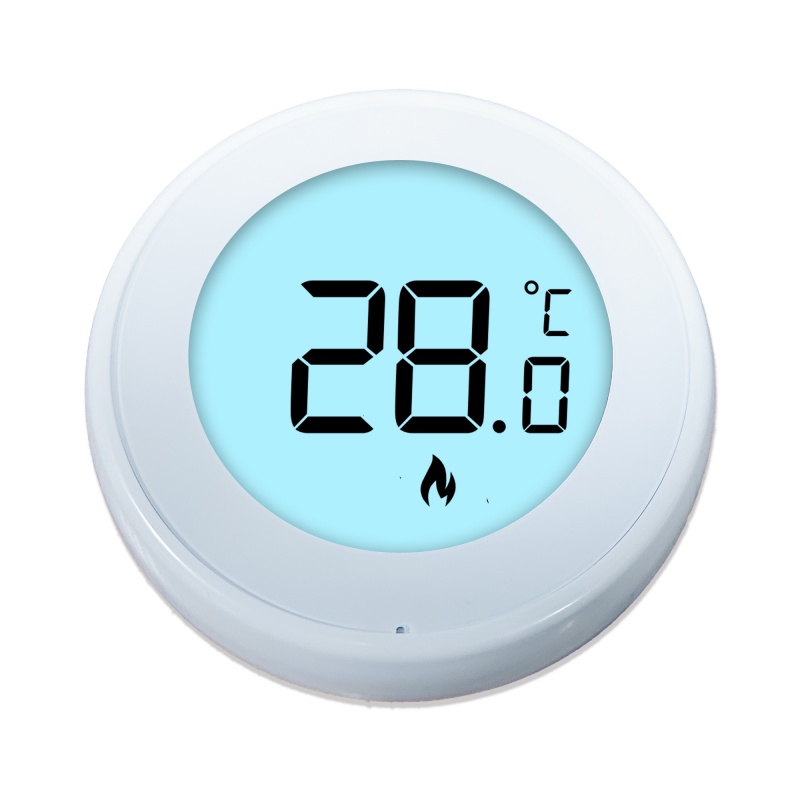
While the TUYA app provides the elegant interface, the physical thermostat remains the brain of the operation. Riseem has engineered a device that looks minimalist on your wall while delivering industrial-grade precision to your HVAC equipment.
Welcome to the Future of Home Automation The Ultimate Guide to TUYA WIFI Smart Thermostats