
What is a household thermostat
author: Lily
2025-06-18
What Is a Household Thermostat?
Q: What exactly is a household thermostat, and why is it important in homes?
A household thermostat is a device that regulates the temperature inside a home by controlling heating and cooling systems, such as furnaces, air conditioners, or heat pumps. It acts as the "brain" of a home’s climate control setup, allowing homeowners to set a desired temperature (a "setpoint") and automatically maintaining it by switching the heating or cooling system on or off as needed. Without a thermostat, homes would lack the ability to maintain a comfortable environment efficiently, leading to energy waste and inconsistent temperatures.

Q: How does a thermostat work?
Modern thermostats operate through a combination of sensors, circuitry, and communication with heating/cooling equipment. Here’s a simplified breakdown:
- Sensing Temperature: A thermal sensor (e.g., a bimetallic strip in older models or a digital thermistor in modern ones) detects the ambient temperature.
- Comparing to Setpoint: The thermostat compares the current temperature to the setpoint. If it’s too cold, it signals the heater to turn on; if too warm, it triggers the air conditioner.
- Switching Systems On/Off: Once the desired temperature is reached, the thermostat shuts off the system to prevent overheating or cooling, saving energy.
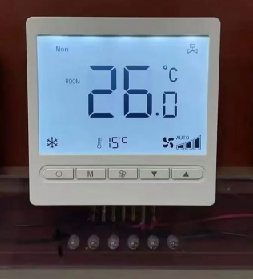
Q: What are the different types of thermostats available today?
Thermostats have evolved significantly. Here are the main categories:
- Mechanical Thermostats: Older models use a bimetallic strip that bends with temperature changes, triggering a switch. They’re simple but less precise.
- Digital Non-Programmable: Display temperature numerically and allow manual setpoint adjustments, but lack scheduling features.
- Programmable Thermostats: Let users set daily or weekly temperature schedules (e.g., cooler temps at night or when away), optimizing energy use.
- Smart Thermostats: Internet-connected devices that learn user habits, adjust automatically, and can be controlled via apps. Examples include the Nest Learning Thermostat or Ecobee SmartThermostat.
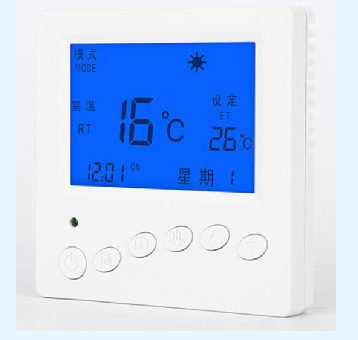
Q: How do smart thermostats differ from traditional ones?
Smart thermostats offer advanced features:
- Learning Capabilities: They adapt to your routine (e.g., warming the house before you wake up) without manual programming.
- Remote Control: Accessible via smartphone apps, so you can adjust the temperature from anywhere.
- Energy Monitoring: Provide insights into energy usage and suggest ways to save, often integrating with home automation systems.
- Voice Control: Compatible with assistants like Alexa or Google Assistant for hands-free adjustments.
Q: Can a thermostat help save energy and lower utility bills?
Yes, especially programmable or smart models. By reducing heating or cooling when no one is home or while sleeping, a thermostat can cut energy use. The U.S. Department of Energy estimates that setting back the thermostat by 7–10°F for 8 hours daily can save 10% annually on heating/cooling costs. Smart thermostats take this further by optimizing schedules based on real-time data, such as weather forecasts or your arrival time.
Q: How often should a thermostat be replaced, and are there installation tips?
- Replacement Timeline: Mechanical thermostats may last 10–15 years, but digital or smart models can justify upgrading sooner for energy savings. If your thermostat is inaccurate or lacks modern features, consider replacing it.
- Installation Tips:
- Ensure compatibility with your heating/cooling system (e.g., voltage, number of wires).
- For smart thermostats, check internet connectivity and follow the manufacturer’s wiring guide.
- Professional installation is recommended for complex systems, but many DIY models come with clear instructions.
Q: What’s the future of household thermostats?
The future points to even smarter integration:
- AI and Machine Learning: Thermostats may predict needs based on patterns, such as adjusting for a guest’s visit or a change in seasons.
- Integration with Smart Homes: Seamless connection with lights, security systems, or solar panels to optimize energy use holistically.
- Enhanced Energy Efficiency: Features like adaptive recovery (warming the house just in time) or grid-friendly scheduling to reduce peak energy demand.
In short, the household thermostat has come a long way from a simple on/off switch—it’s now a key player in smart, sustainable home living.


recommended thermostat settings summer
Room Heater with Thermostat
Related Article
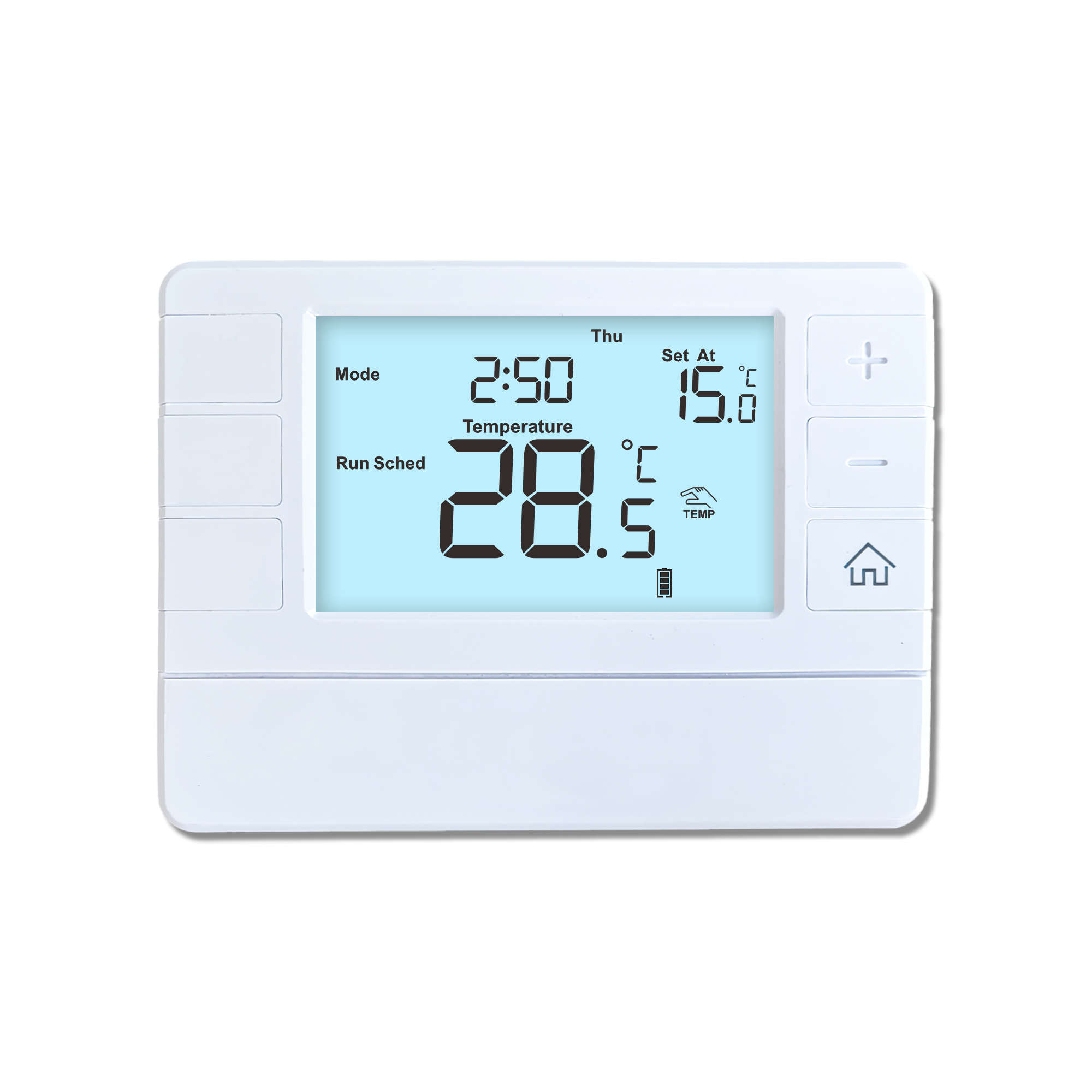
This shift has made traditional, manual thermostats obsolete, paving the way for advanced smart technologies.
Why You Need a Smart Thermostat
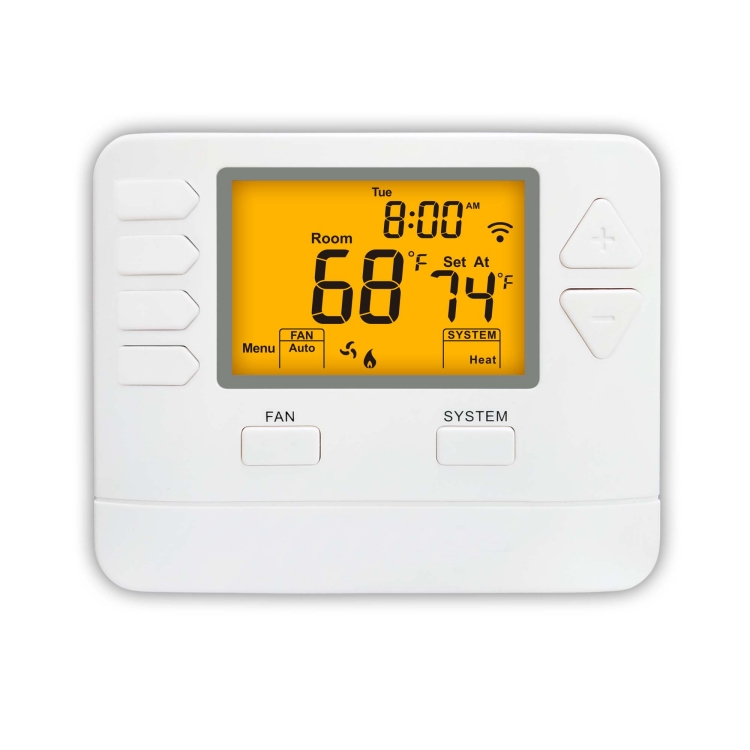
A true 7 Day programmable room thermostat offers the ultimate granular control. It allows users to program a distinct, customized heating and cooling schedule for every single day of the week.
How a 7 Day Programmable Room Thermostat Maximizes Home Comfort and Efficiency
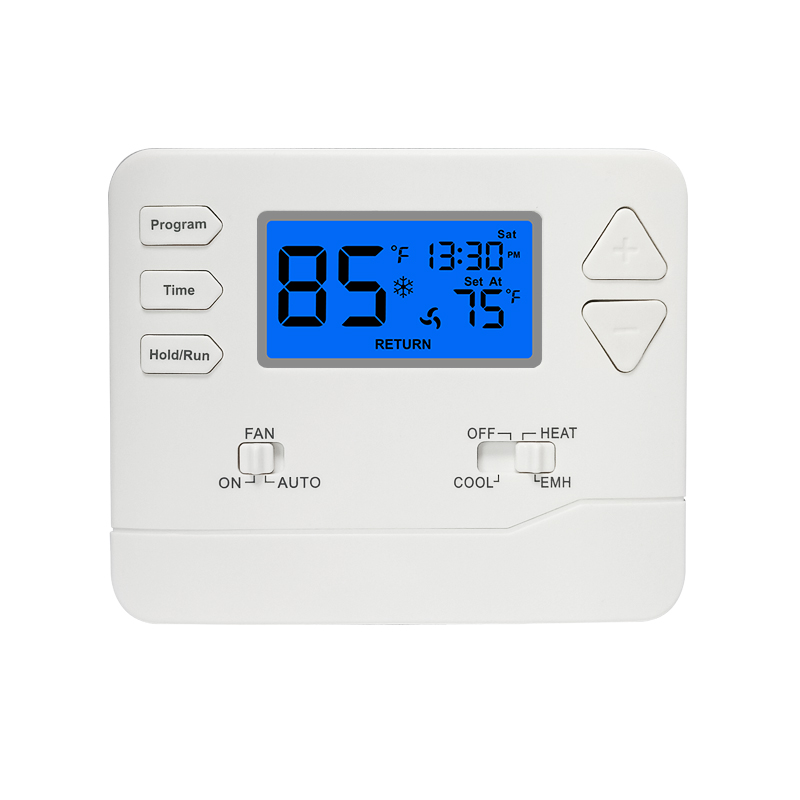
A premium Riseem thermostat is not just a digital display on your wall; it is the ultimate gatekeeper of your indoor environment.
Why a Quality Thermostat Is the Key to a More Comfortable Home
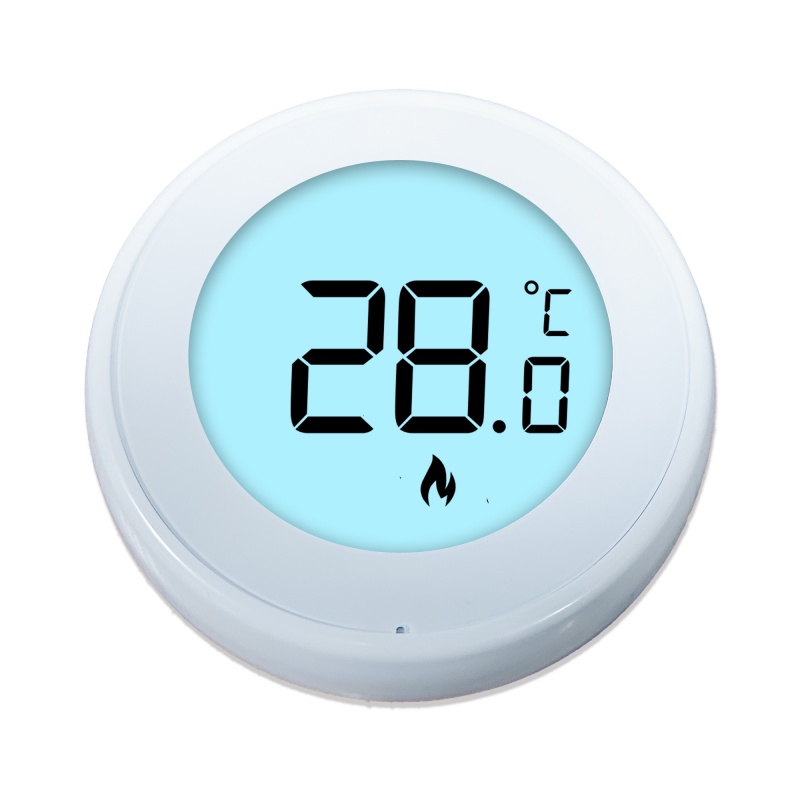
While the TUYA app provides the elegant interface, the physical thermostat remains the brain of the operation. Riseem has engineered a device that looks minimalist on your wall while delivering industrial-grade precision to your HVAC equipment.
Welcome to the Future of Home Automation The Ultimate Guide to TUYA WIFI Smart Thermostats