
What is a manual indoor thermostat
author: Lily
2025-04-03
What is a Manual Indoor Thermostat
A manual indoor thermostat is a device that allows users to manually adjust and set the temperature within an indoor space, such as a home, office, or other buildings. It serves as a crucial component of the heating, ventilation, and air - conditioning (HVAC) system, playing a significant role in maintaining a comfortable environment.
How It Works
Manual thermostats typically operate based on a simple principle. They are equipped with a temperature - sensing element, often a bimetallic strip. As the temperature in the room changes, the bimetallic strip, which is made up of two different metals bonded together, expands or contracts. This physical change in the strip is used to control the opening and closing of electrical contacts. When the temperature drops below the setpoint on the manual thermostat, the contacts close, completing an electrical circuit. This action then signals the heating system, such as a furnace or a boiler, to turn on and start warming the room. Conversely, when the temperature rises above the setpoint, the contacts open, breaking the circuit and causing the heating system to turn off. In the case of cooling systems, like air conditioners, the process is reversed. When the temperature exceeds the set temperature, the thermostat activates the cooling unit, and when the desired temperature is reached, it shuts the unit off.
Appearance and Controls
In terms of appearance, manual indoor thermostats are relatively simple in design. They usually have a flat, wall - mounted casing. On the front, there is a dial or a set of buttons. The dial is the most common control mechanism. By rotating the dial, users can set the desired temperature. The scale on the dial is marked with temperature values, typically in degrees Fahrenheit or Celsius. Some manual thermostats may also have additional features such as a switch to select between heating and cooling modes. For example, in a dual - function thermostat used in regions with both cold and hot seasons, there is a toggle switch that allows the user to change the system from heating mode in winter to cooling mode in summer.
Usage Scenarios
Manual indoor thermostats are widely used in various settings. In many older homes, they are a standard feature. Since they are relatively inexpensive and easy to install, they are a popular choice for homeowners who want a basic way to control the temperature. Small businesses, such as local shops or offices in older buildings, also often rely on manual thermostats. These thermostats are suitable for spaces where the temperature requirements are not highly complex and where occupants are present during the day to adjust the settings as needed. For instance, in a small family - run bakery, the owner can easily set the thermostat to a comfortable temperature during working hours and adjust it lower when the shop is closed at night to save energy.
Advantages and Disadvantages
One of the main advantages of manual indoor thermostats is their simplicity. They are easy to understand and operate, even for people with little technical knowledge. There is no need to deal with complex programming or digital interfaces. Additionally, they are generally more affordable compared to their digital or smart counterparts. This makes them an attractive option for those on a tight budget. However, manual thermostats also have some drawbacks. Since they rely on manual adjustment, it can be inconvenient if the occupants forget to change the settings. For example, if someone leaves the house for an extended period but forgets to lower the heating temperature, energy will be wasted. Also, they lack the precision and advanced features of modern digital thermostats. They may not be able to maintain the temperature as accurately, resulting in temperature fluctuations within the room.
In conclusion, a manual indoor thermostat is a fundamental yet useful device for controlling indoor temperatures. While it has its limitations, it still serves an important purpose, especially in situations where simplicity and cost - effectiveness are key factors.


How to install the thermostat in the heating room
what temperature should i set my room thermostat
Related Article
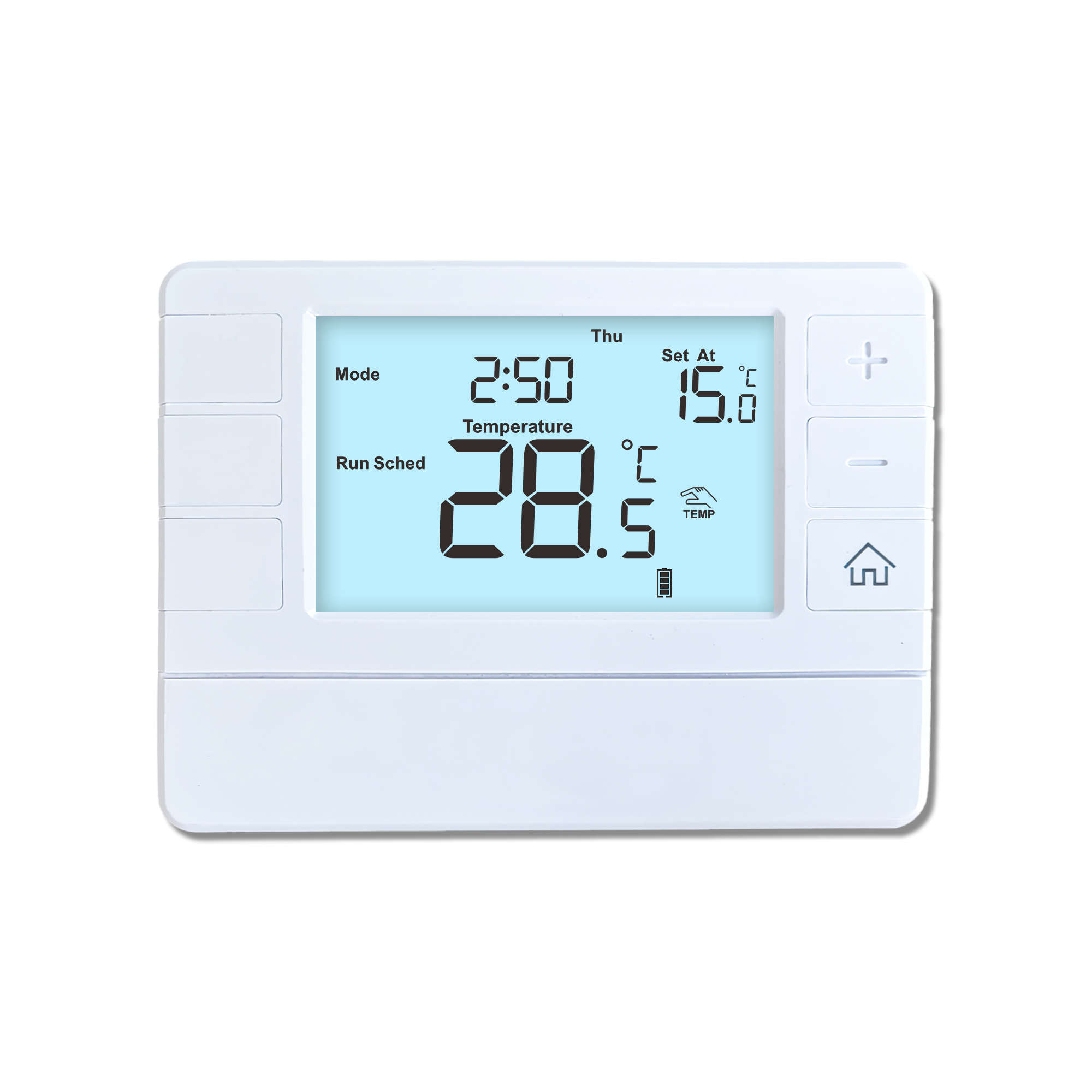
This shift has made traditional, manual thermostats obsolete, paving the way for advanced smart technologies.
Why You Need a Smart Thermostat
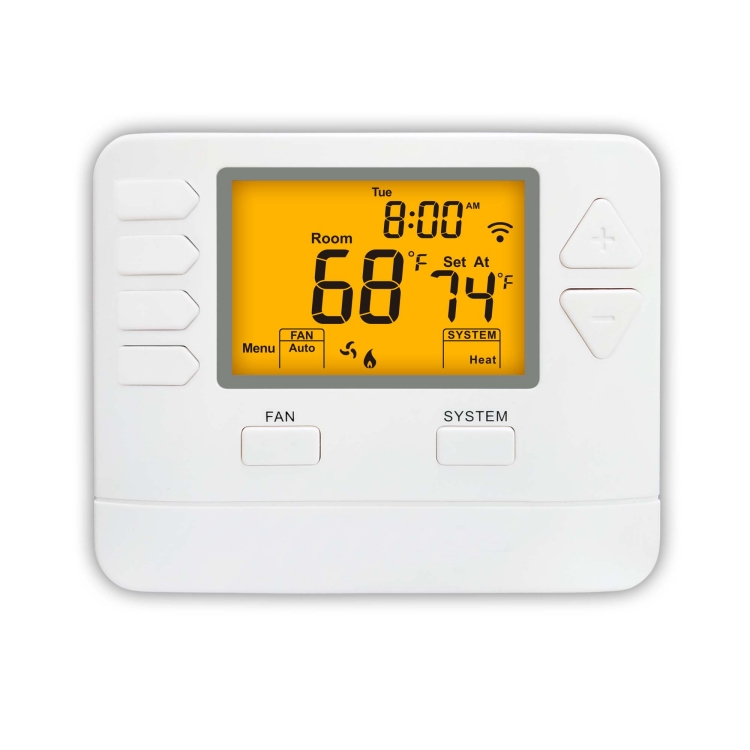
A true 7 Day programmable room thermostat offers the ultimate granular control. It allows users to program a distinct, customized heating and cooling schedule for every single day of the week.
How a 7 Day Programmable Room Thermostat Maximizes Home Comfort and Efficiency
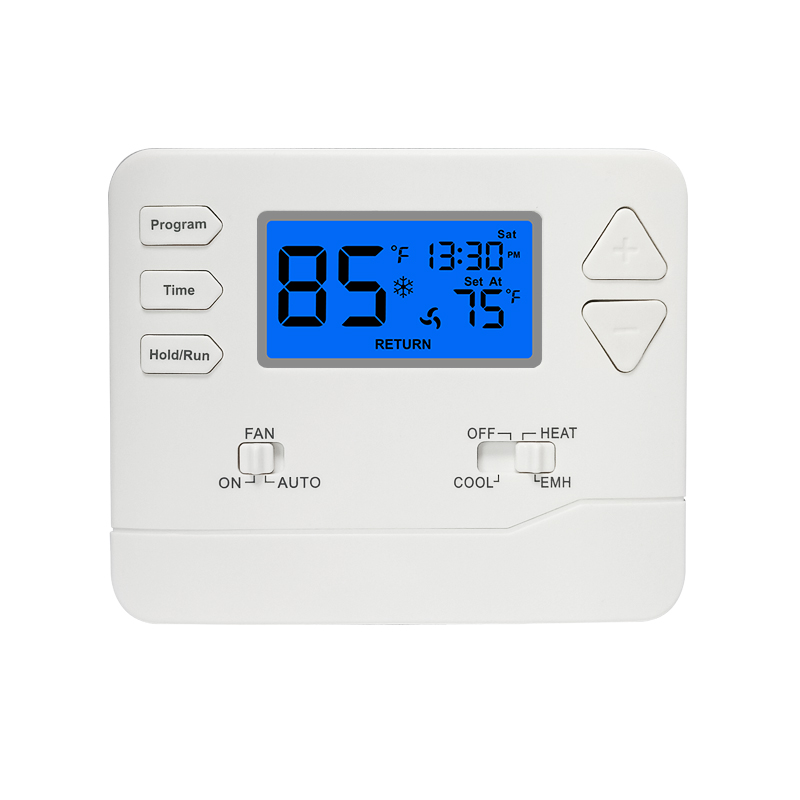
A premium Riseem thermostat is not just a digital display on your wall; it is the ultimate gatekeeper of your indoor environment.
Why a Quality Thermostat Is the Key to a More Comfortable Home
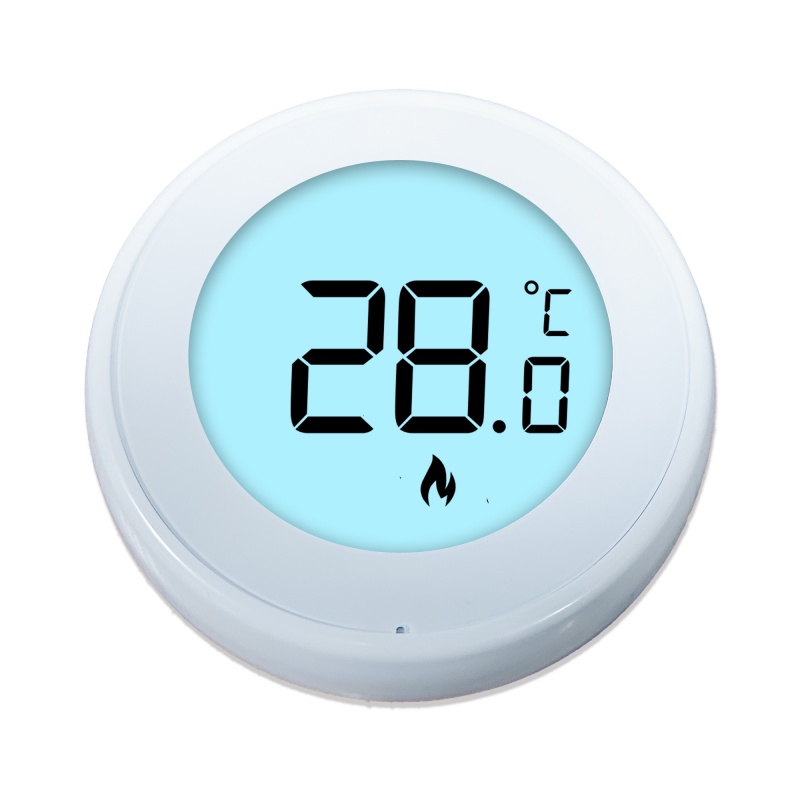
While the TUYA app provides the elegant interface, the physical thermostat remains the brain of the operation. Riseem has engineered a device that looks minimalist on your wall while delivering industrial-grade precision to your HVAC equipment.
Welcome to the Future of Home Automation The Ultimate Guide to TUYA WIFI Smart Thermostats