
What is a PTAC thermostat
author: Bani
2025-03-14
What is a PTAC Thermostat

Introduction
In the realm of heating, ventilation, and air - conditioning (HVAC) systems, a PTAC thermostat plays a crucial role, especially in certain types of buildings. PTAC stands for Packaged Terminal Air - Conditioner, and a PTAC thermostat is designed to control these units. Ocean Controls Limited, a well - respected name in the thermostat industry, offers a range of PTAC thermostat solutions. This blog will delve into what exactly a PTAC thermostat is, how it works, and why it's an important component in many commercial and residential settings.
Understanding the Basics of a PTAC Thermostat
Definition and Function
A PTAC thermostat is a temperature - regulating device specifically engineered for PTAC units. These units are self - contained heating and cooling systems commonly found in hotels, motels, apartments, and some commercial buildings. The thermostat's primary function is to sense the ambient temperature in the room and control the operation of the PTAC unit to maintain the desired temperature. Ocean Controls Limited's PTAC thermostat models are designed to interface seamlessly with PTAC units, providing accurate temperature control.
Components of a PTAC Thermostat
Typically, a PTAC thermostat consists of several key components. There is a temperature sensor, which is responsible for detecting the room temperature. This sensor is often a thermistor, a type of resistor whose resistance changes with temperature. When the temperature changes, the sensor sends an electrical signal to the control unit of the thermostat. The control unit then processes this signal and decides whether to turn on the heating or cooling function of the PTAC unit. Ocean Controls Limited's thermostats are built with high - quality components to ensure reliable temperature sensing and control.

How a PTAC Thermostat Works
Temperature Sensing
The first step in the operation of a PTAC thermostat is temperature sensing. The temperature sensor continuously monitors the ambient temperature in the room. For example, if you set the thermostat to 72°F, and the current temperature in the room drops to 70°F, the sensor will detect this change. The change in temperature causes a change in the electrical resistance of the thermistor, which in turn generates an electrical signal. Ocean Controls Limited's PTAC thermostat sensors are highly sensitive, able to detect even the slightest temperature variations, ensuring precise temperature control.
Signal Transmission and System Activation
Once the sensor detects a temperature deviation from the set point, it sends the electrical signal to the control unit. The control unit analyzes this signal and compares it with the pre - set temperature. If the temperature is too low, the control unit will send a signal to the PTAC unit to activate the heating function. Conversely, if the temperature is too high, it will signal the unit to start the cooling function. The thermostat acts as the "brain" of the PTAC system, coordinating the operation to maintain the desired temperature. Ocean Controls Limited's PTAC thermostat control units are designed to make these decisions quickly and accurately.
Advantages of a PTAC Thermostat
Energy Efficiency
One of the significant advantages of a PTAC thermostat is its contribution to energy efficiency. By precisely controlling the operation of the PTAC unit, it ensures that the unit only runs when necessary. For example, if the room has reached the desired temperature, the thermostat will turn off the unit, preventing unnecessary energy consumption. Ocean Controls Limited's PTAC thermostat models are engineered with energy - saving features, helping building owners and residents reduce their energy bills.
Zoned Temperature Control
In buildings with multiple PTAC units, a PTAC thermostat allows for zoned temperature control. Each unit can be set to a different temperature according to the needs of the occupants in that specific area. This is especially useful in hotels or large apartments where different rooms may require different temperature settings. Ocean Controls Limited's thermostats support zoned temperature control, providing flexibility in temperature management.
Ocean Controls Limited's PTAC Thermostat Offerings

Product Range
Ocean Controls Limited offers a diverse range of PTAC thermostat products to meet the different needs of customers. Their product line includes basic models that are suitable for simple PTAC systems, as well as more advanced models with additional features. These advanced models may include programmable settings, allowing users to set different temperature schedules for different times of the day. This can be particularly beneficial in commercial settings where energy savings and comfort need to be optimized.
Quality and Performance
The company is committed to providing high - quality PTAC thermostat solutions. Their products are manufactured using top - grade materials and undergo strict quality control processes. Ocean Controls Limited's PTAC thermostat models are known for their accurate temperature control, long - lasting durability, and ease of use. Whether it's a small apartment building or a large hotel, you can rely on Ocean Controls Limited's thermostats to deliver reliable performance.
Installation and Maintenance of a PTAC Thermostat
Installation Process
Installing a PTAC thermostat requires some technical knowledge. It involves connecting the thermostat to the PTAC unit's wiring. While some experienced individuals may be able to install it themselves, it's often recommended to hire a professional HVAC technician. Ocean Controls Limited provides detailed installation instructions with their PTAC thermostat products, making the process easier for those who choose to do it themselves. However, professional installation ensures proper wiring and optimal performance.
Maintenance Tips
To keep your PTAC thermostat in good working condition, regular maintenance is important. This includes keeping the thermostat clean, especially the sensor area, as dust or dirt can affect its accuracy. Also, periodically check the batteries if it's a battery - powered model. Ocean Controls Limited offers maintenance guidelines in the user manuals of their PTAC thermostat models to help customers ensure the longevity and optimal performance of their thermostats.


Conclusion
In conclusion, a PTAC thermostat is an essential component for controlling Packaged Terminal Air - Conditioner units. It offers energy - efficient and zoned temperature control, making it suitable for a variety of commercial and residential applications. Ocean Controls Limited's PTAC thermostat offerings, with their quality construction, advanced features, and energy - saving capabilities, are a great choice for those looking to upgrade or install a new PTAC thermostat system. By understanding how a PTAC thermostat works and its advantages, you can make an informed decision about whether it's the right fit for your building's temperature control needs.
How do you adjust the temperature on a wireless thermostat
Best HOME Thermostats in the Market
Related Article
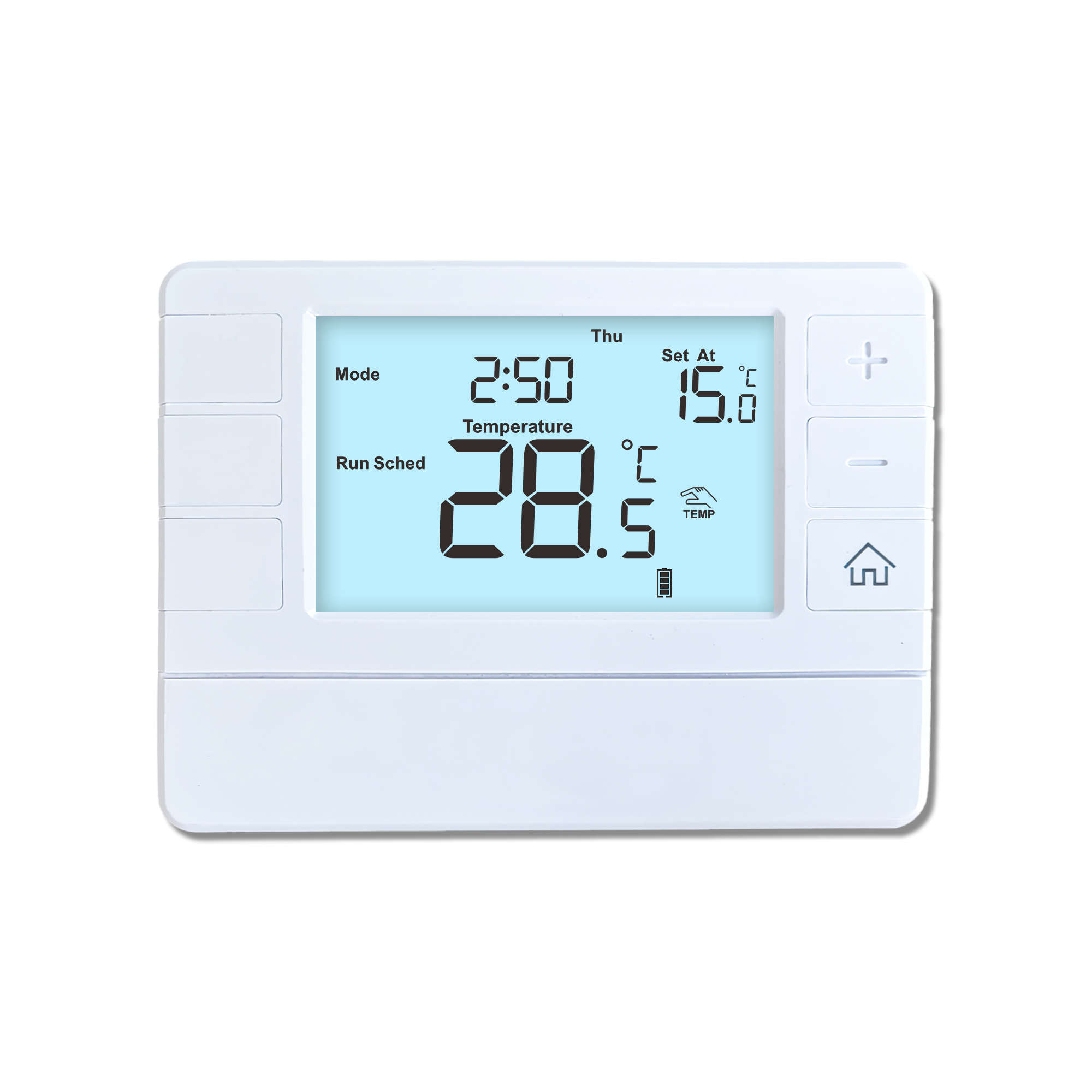
This shift has made traditional, manual thermostats obsolete, paving the way for advanced smart technologies.
Why You Need a Smart Thermostat
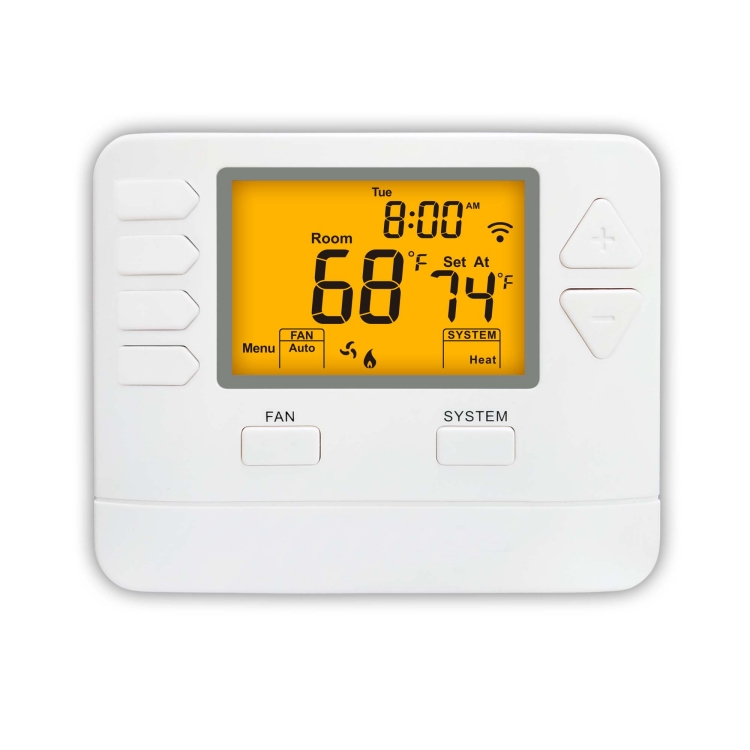
A true 7 Day programmable room thermostat offers the ultimate granular control. It allows users to program a distinct, customized heating and cooling schedule for every single day of the week.
How a 7 Day Programmable Room Thermostat Maximizes Home Comfort and Efficiency
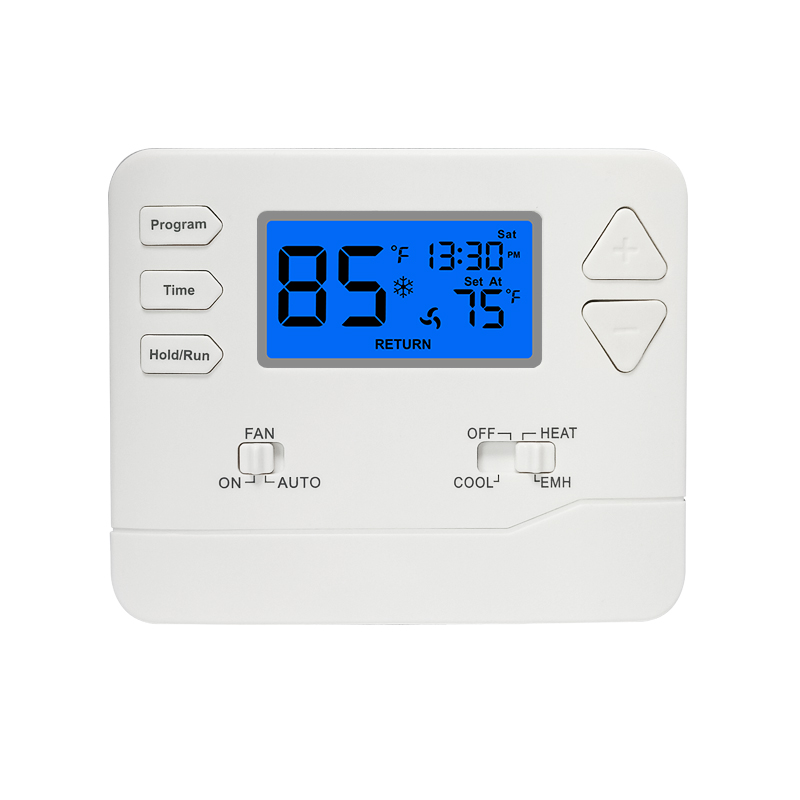
A premium Riseem thermostat is not just a digital display on your wall; it is the ultimate gatekeeper of your indoor environment.
Why a Quality Thermostat Is the Key to a More Comfortable Home
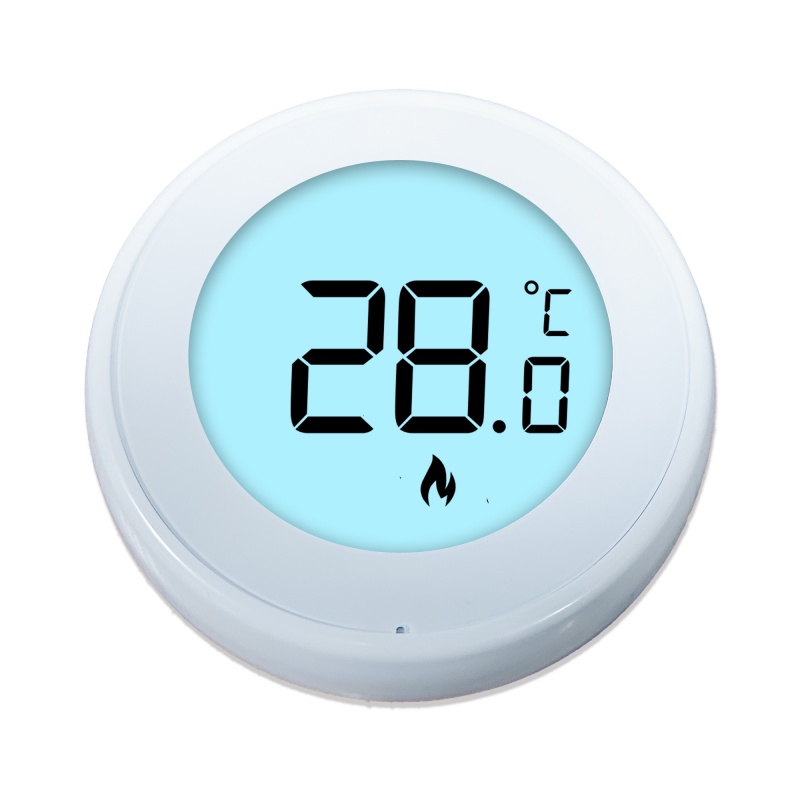
While the TUYA app provides the elegant interface, the physical thermostat remains the brain of the operation. Riseem has engineered a device that looks minimalist on your wall while delivering industrial-grade precision to your HVAC equipment.
Welcome to the Future of Home Automation The Ultimate Guide to TUYA WIFI Smart Thermostats