
what is blue wire on thermostat
author: Lily
2025-05-09
What Is the Blue Wire on a Thermostat?
1. What exactly is the blue wire on a thermostat?
The blue wire on a thermostat is commonly known as the “C-wire,” short for “common wire.” In the electrical setup of a thermostat, it serves as a fundamental part of the circuit. Think of it as the essential return path for electrical current, similar to how a return lane on a road allows vehicles to loop back to their starting point. While other wires in the thermostat connection, like the red wire for power supply and the yellow or green wires for heating and cooling signals, have their specific functions, the blue C-wire's role is to complete the electrical circuit, ensuring a continuous flow of power to the thermostat.


2. What function does the blue wire perform?
The primary function of the blue wire is to provide a stable and continuous power source to the thermostat. Older thermostat models often didn't rely on the C-wire, as they could draw power from the heating or cooling relays through a method called “power stealing.” However, modern smart thermostats and many advanced digital thermostats require a dedicated power supply to operate all their features properly. The blue wire enables these thermostats to keep their displays lit, sensors active, and communication modules functioning, whether it's for Wi-Fi connectivity, remote access, or other intelligent features. Without the blue wire, these sophisticated thermostats may experience issues such as inconsistent operation, failure to connect to home networks, or even shutting down unexpectedly.
3. How is the blue wire connected in a typical HVAC system?
In a standard Heating, Ventilation, and Air Conditioning (HVAC) system, the connection of the blue wire involves both the thermostat and the HVAC unit. At the thermostat end, the blue wire is inserted into the terminal labeled “C.” On the HVAC unit side, which could be an air handler or a furnace, the blue wire is connected to the corresponding terminal on the control board. This connection creates a pathway for electrical current to flow from the power source, through the thermostat, and back to the HVAC unit, forming a closed electrical circuit. Usually, the C-wire is linked to a transformer within the HVAC system, which steps down the electrical voltage to a level suitable for the thermostat's operation.
4. What happens if the blue wire is missing or not working?
If the blue wire is missing or malfunctioning, thermostats that rely on it for power will face problems. Smart thermostats, in particular, may display error messages, have a dim or unlit screen, or be unable to connect to Wi-Fi or other smart home devices. They might also struggle to maintain accurate temperature readings or perform programmed functions. Even some basic digital thermostats may show inconsistent behavior, such as incorrect temperature displays or failure to properly control the heating and cooling systems. In essence, without the blue wire, the thermostat may not function as intended, leading to discomfort and potential inefficiencies in the HVAC system.
5. Can a thermostat work without the blue wire?
Some basic thermostat models can operate without the blue C-wire. They use the power-stealing method, drawing power from the heating or cooling relays in the HVAC system. However, this approach has limitations. Power-stealing thermostats may not be compatible with all HVAC systems, especially those with complex control boards or variable-speed components. Moreover, they usually can't support the advanced features of modern smart thermostats, such as remote access, integration with home automation systems, or detailed energy usage monitoring. So, while a thermostat might technically work without the C-wire, its functionality will be significantly restricted.
6. How can I tell if the blue wire is the problem?
If you suspect an issue with the blue wire, there are a few things you can check. First, look at the thermostat's display. If it's dim, blank, or showing error messages related to power or connectivity, the C-wire could be at fault. You can also check the wiring connections at both the thermostat and the HVAC unit to ensure the blue wire is properly inserted and not loose or damaged. Another way is to use a multimeter to test the electrical continuity of the blue wire. If there's no continuity, it indicates a break or problem in the wire. However, if you're not experienced with electrical work, it's advisable to consult a professional HVAC technician to accurately diagnose the issue.
7. How is a problem with the blue wire fixed?
If the blue wire is damaged or not properly connected, the first step is to turn off the power to the HVAC system for safety. If the wire is simply loose, reattaching it securely to the appropriate terminals on the thermostat and HVAC unit may solve the problem. If the wire is damaged, it may need to be replaced. This involves running a new blue wire from the HVAC unit to the thermostat location, which can be a complex task as it may require fishing the wire through walls, ceilings, or conduits. In some cases, if adding a new wire isn't feasible, a C-wire adapter can be installed. This device creates a simulated C-wire connection using the existing wiring, allowing the thermostat to receive the necessary power. After making the repairs or installations, it's important to restore power and test the thermostat to ensure it's working correctly.
In conclusion, the blue wire, or C-wire, on a thermostat plays a crucial role in the proper functioning of modern thermostats and HVAC systems. Understanding its purpose, connection, and potential issues can help homeowners maintain a comfortable indoor environment and ensure the efficient operation of their heating and cooling equipment. If you encounter problems related to the blue wire, it's often best to seek professional assistance to avoid any electrical hazards and ensure a proper fix.


thermostat setting for summer
what happens when a thermostat goes bad in a car
Related Article
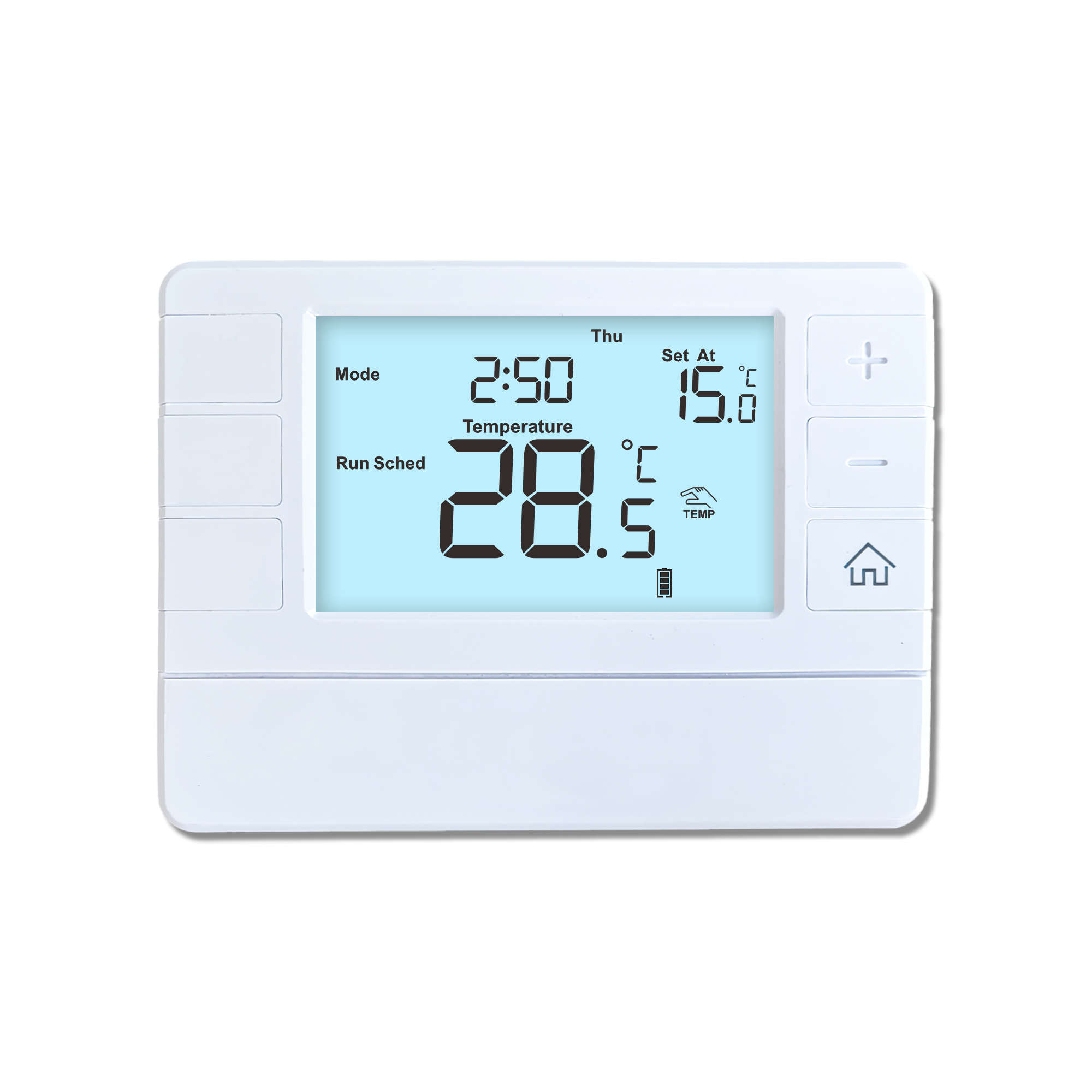
This shift has made traditional, manual thermostats obsolete, paving the way for advanced smart technologies.
Why You Need a Smart Thermostat
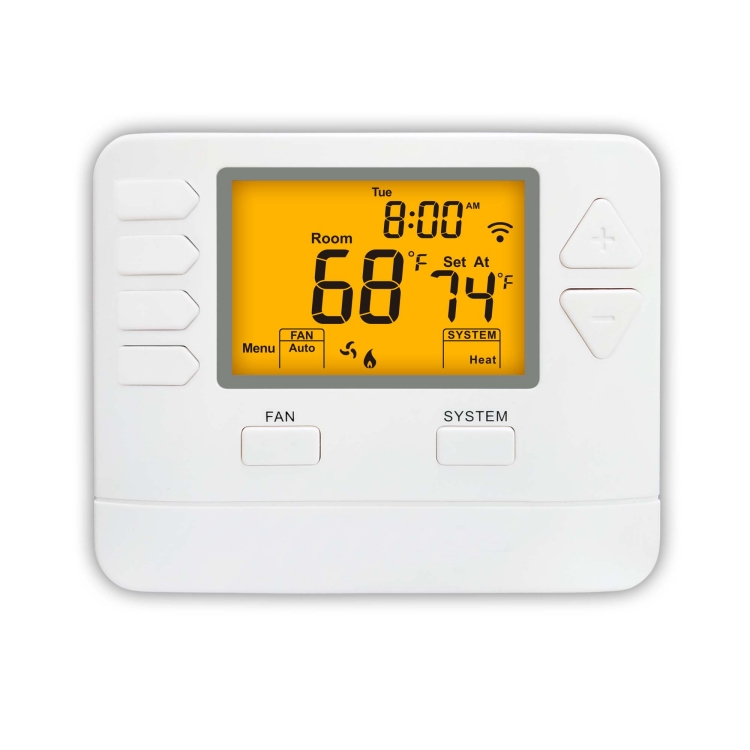
A true 7 Day programmable room thermostat offers the ultimate granular control. It allows users to program a distinct, customized heating and cooling schedule for every single day of the week.
How a 7 Day Programmable Room Thermostat Maximizes Home Comfort and Efficiency
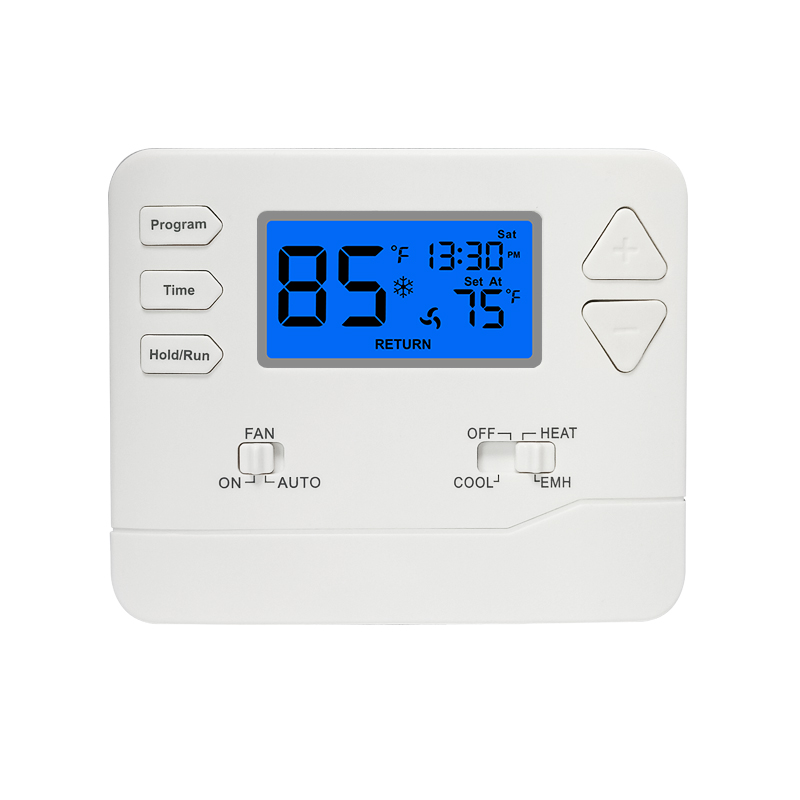
A premium Riseem thermostat is not just a digital display on your wall; it is the ultimate gatekeeper of your indoor environment.
Why a Quality Thermostat Is the Key to a More Comfortable Home
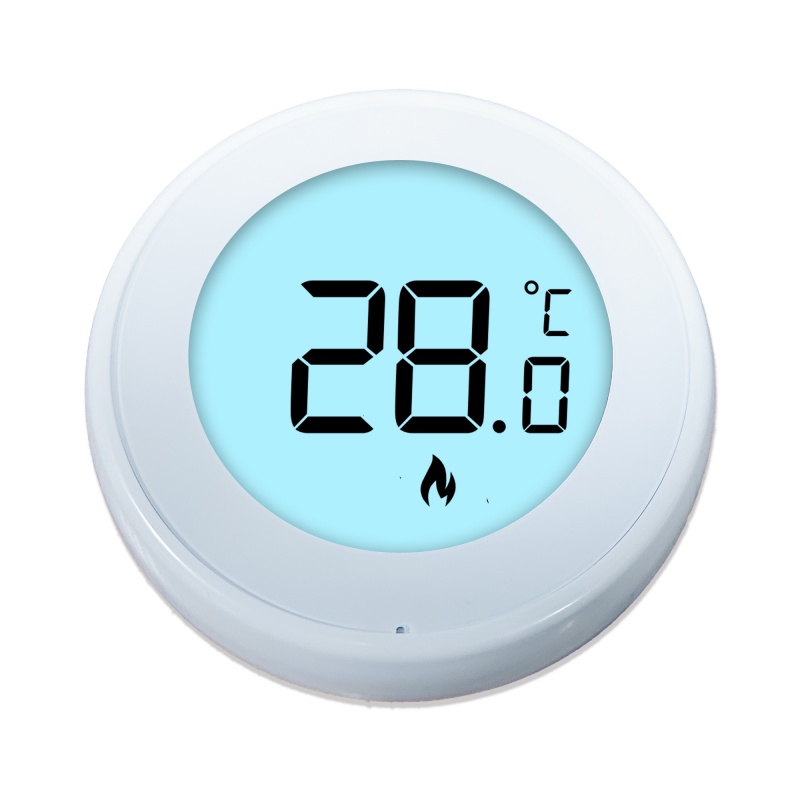
While the TUYA app provides the elegant interface, the physical thermostat remains the brain of the operation. Riseem has engineered a device that looks minimalist on your wall while delivering industrial-grade precision to your HVAC equipment.
Welcome to the Future of Home Automation The Ultimate Guide to TUYA WIFI Smart Thermostats