
what is emergency heat on the thermostat
author: Lily
2025-04-22
What is Emergency Heat on the Thermostat?
When navigating the settings on your thermostat, you may come across the term “Emergency Heat.” This crucial feature can play a significant role in maintaining a comfortable indoor environment under certain circumstances. Understanding what it is, how it works, and when to use it can help you make the most of your heating system and avoid potential discomfort in your home.

Defining Emergency Heat
Emergency Heat is a backup heating mode available on many thermostats, particularly those connected to heat pump systems. A heat pump typically transfers heat from the outside air to warm your home during normal operation, which is an energy - efficient process. However, in situations where the heat pump can't function properly, Emergency Heat steps in. When activated, it bypasses the heat pump's normal operation and instead uses auxiliary heating elements, such as electric resistance coils or a gas furnace, to generate heat directly. This ensures that your home continues to receive warmth even when the primary heating source encounters issues.
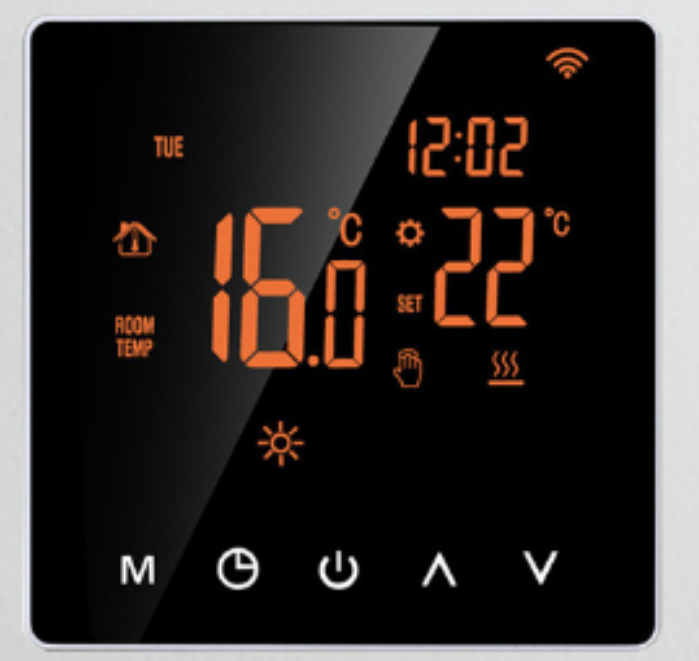
How Emergency Heat Works
The operation of Emergency Heat is coordinated by the thermostat's internal controls. When you select the Emergency Heat setting on your thermostat, it sends signals to disable the heat pump's compressor, preventing it from attempting to transfer heat from the cold outdoor air. At the same time, it activates the auxiliary heating system. For example, in an electric heat pump system, when Emergency Heat is engaged, electricity flows through the electric resistance heating elements. These elements heat up, and the blower fan in the HVAC system circulates air over them, distributing the warm air throughout your home. Some modern thermostats are equipped with sensors that can detect when the outdoor temperature drops below a certain threshold or when there are problems with the heat pump, and they can automatically switch to Emergency Heat mode without manual intervention.
When to Use Emergency Heat
There are several scenarios that call for the use of Emergency Heat. The most common situation is during extremely cold weather. Heat pumps become less efficient as the outdoor temperature drops, and below a certain point (usually around 32°F or 0°C), they may struggle to provide adequate warmth. In such conditions, switching to Emergency Heat can ensure your home stays comfortably warm. Another instance is when you suspect there is a problem with your heat pump, such as a refrigerant leak, a malfunctioning compressor, or electrical issues. Using Emergency Heat can serve as a temporary solution to keep your home warm while you arrange for professional repairs. However, it's important to note that Emergency Heat should be used sparingly, as it generally consumes more energy than the normal operation of a heat pump, which can lead to higher utility bills.
Differences from Normal Heating Mode
Normal heating mode with a heat pump operates by extracting heat from the outdoor air and transferring it indoors. This process uses relatively less energy compared to Emergency Heat. In normal mode, the heat pump relies on a refrigeration cycle, which is optimized for efficiency under moderate outdoor temperatures. In contrast, Emergency Heat uses direct heat - generating methods, such as resistance heating or a gas - fired furnace, which consume more electricity or gas. Additionally, the thermostat's display and settings may change when in Emergency Heat mode. You might see a specific indicator light or message on the thermostat screen, and the temperature adjustment range and fan settings could be different to accommodate the operation of the auxiliary heating system.
Tips for Using Emergency Heat
When using Emergency Heat, there are some important tips to keep in mind. First, refer to your thermostat's user manual to understand the specific operation and limitations of the Emergency Heat function for your model. Be aware of the potential increase in your energy consumption and costs, and try to limit its use to only when necessary. If you find yourself frequently switching to Emergency Heat, it's a sign that your heat pump may need maintenance or repair. Also, make sure your home is well - insulated to reduce the demand for heating and help conserve energy while using this mode.
In summary, Emergency Heat on your thermostat is a valuable backup feature that provides warmth when your primary heating system faces challenges. By understanding its function, operation, and appropriate usage, you can better manage your home's heating needs and ensure comfort during cold weather or heating system malfunctions.


how to program thermostat
what is em heat on my thermostat
Related Article
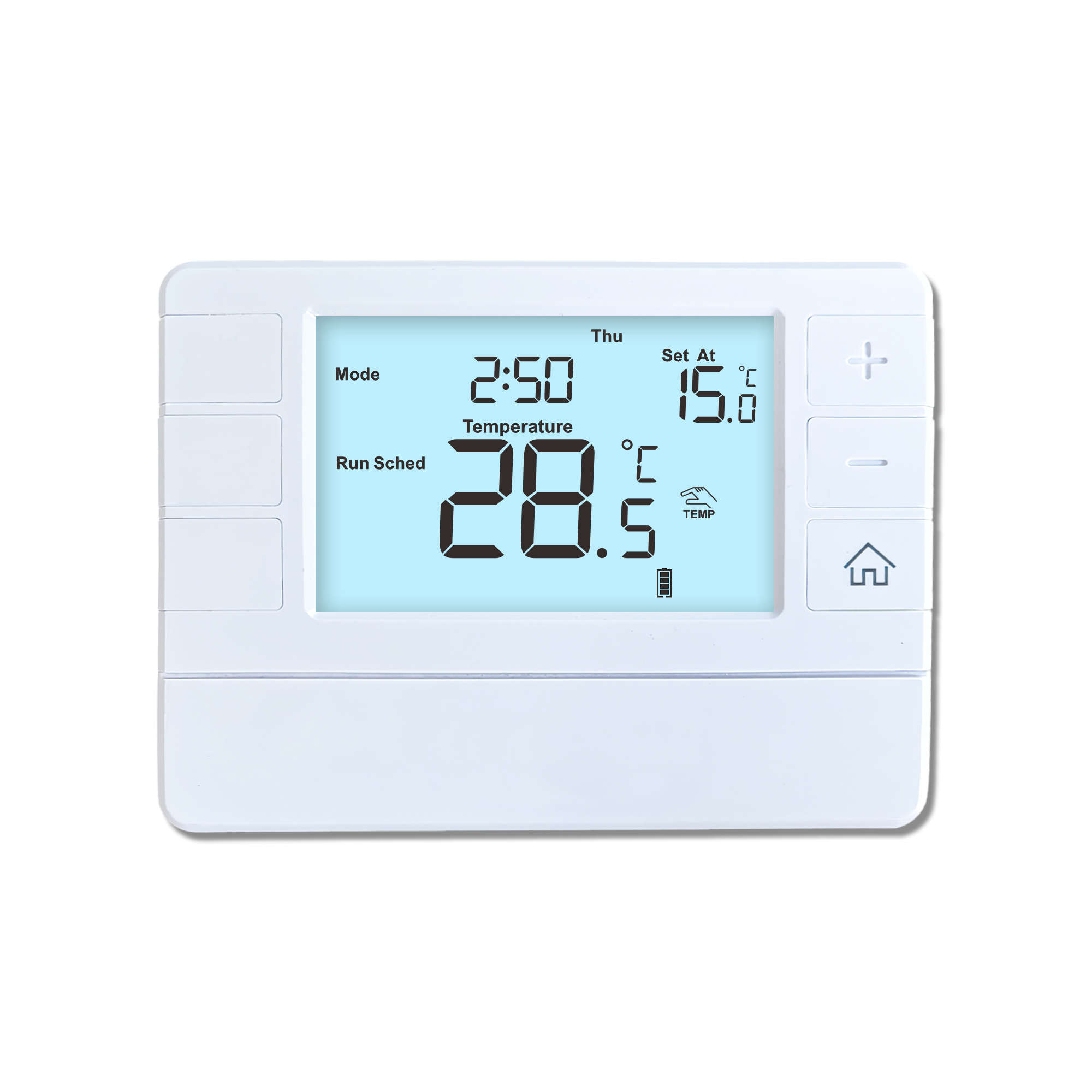
This shift has made traditional, manual thermostats obsolete, paving the way for advanced smart technologies.
Why You Need a Smart Thermostat
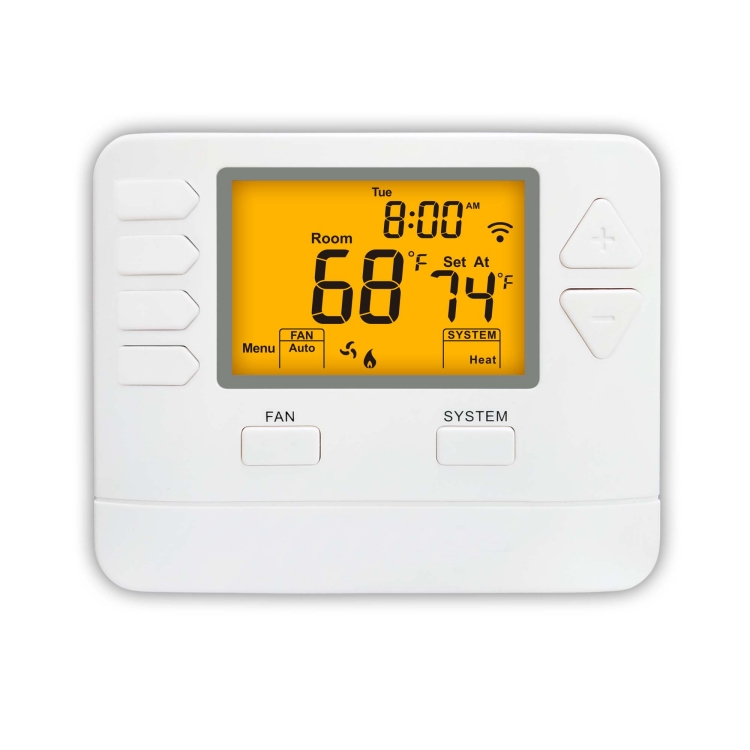
A true 7 Day programmable room thermostat offers the ultimate granular control. It allows users to program a distinct, customized heating and cooling schedule for every single day of the week.
How a 7 Day Programmable Room Thermostat Maximizes Home Comfort and Efficiency
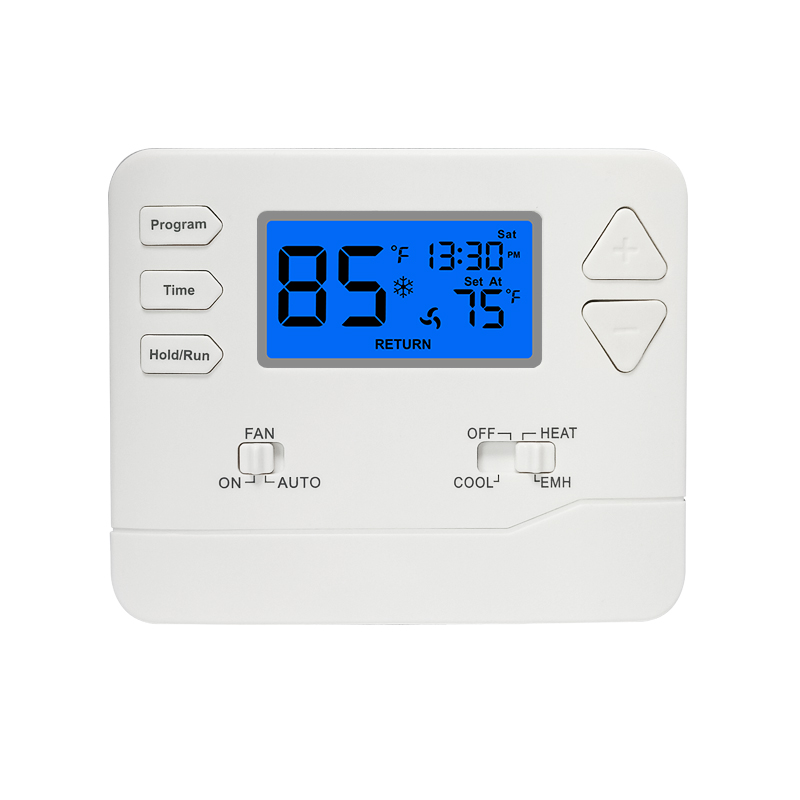
A premium Riseem thermostat is not just a digital display on your wall; it is the ultimate gatekeeper of your indoor environment.
Why a Quality Thermostat Is the Key to a More Comfortable Home
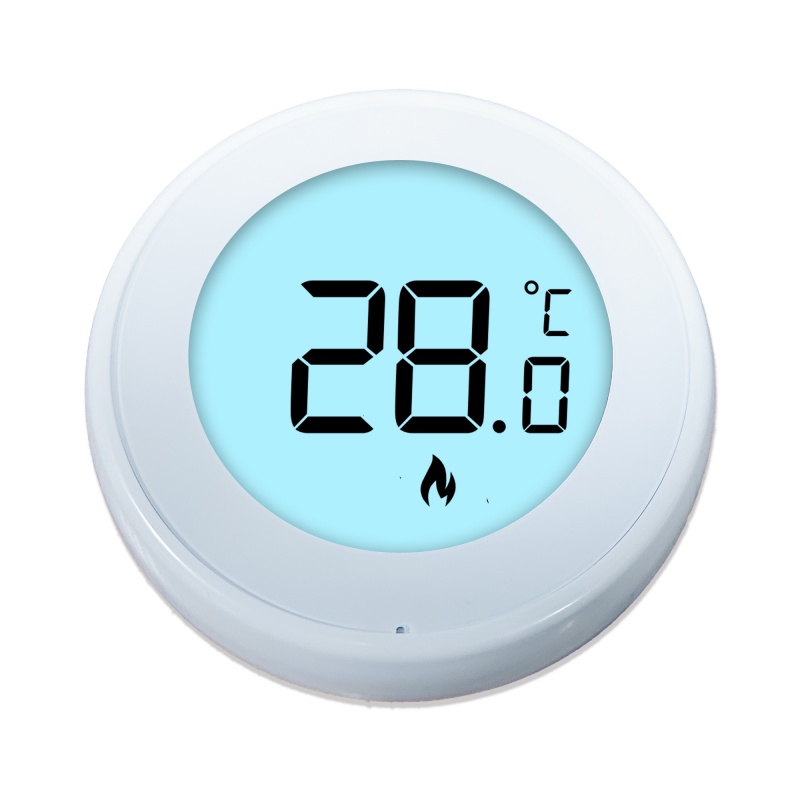
While the TUYA app provides the elegant interface, the physical thermostat remains the brain of the operation. Riseem has engineered a device that looks minimalist on your wall while delivering industrial-grade precision to your HVAC equipment.
Welcome to the Future of Home Automation The Ultimate Guide to TUYA WIFI Smart Thermostats