
What is the difference between a 1 stage and 2 stage thermostat
author: Somi
2025-03-20
Understanding the Difference between 1 Stage and 2 Stage Thermostats
Introduction
When it comes to maintaining a comfortable indoor environment, the thermostat plays a crucial role. In this blog, we'll explore the differences between 1 stage and 2 stage thermostats, with a focus on products from Ocean Controls Limited. A thermostat, like those offered by Ocean Controls Limited, is the brain behind your heating and cooling system, dictating when and how your HVAC unit operates.
Title 1: What is a 1 Stage Thermostat?
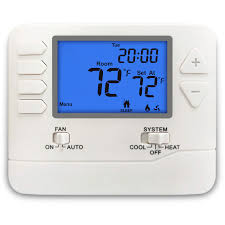
A 1 stage thermostat, such as the basic models from Ocean Controls Limited, is the simplest form. It has only one level of heating or cooling output. When the temperature in your space deviates from the set point, it signals the HVAC system to turn on at full capacity. For example, if it's a chilly day and you've set your thermostat to 22°C, once the room temperature drops below this, the furnace or air conditioner will kick in at its maximum power to quickly bring the temperature back up. This is a straightforward approach, ideal for smaller spaces or those with less complex heating and cooling needs.
Title 2: How Does a 2 Stage Thermostat Work?
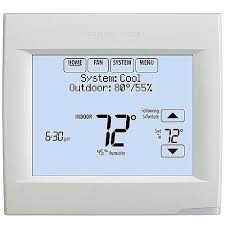
Ocean Controls Limited's 2 stage thermostats offer a more refined control. Instead of just an all-or-nothing response like the 1 stage, they have two levels of operation. In the first stage, when the temperature starts to stray from the set point, the HVAC system engages at a lower, more energy-efficient level. This might be enough to correct the temperature gently. If the deviation persists or becomes more significant, it then switches to the second, higher stage for a more rapid adjustment. Say you have a larger living area, and it's getting a bit warm. The 2 stage thermostat can first activate the air conditioner at a milder setting to see if it can maintain comfort. Only if needed will it ramp up to full power, saving energy in the process.
Title 3: Energy Efficiency Comparison
One of the key differences between 1 stage and 2 stage thermostats lies in energy consumption. The 1 stage thermostat, due to its full-power activation, can sometimes use more energy than necessary. It might overshoot the target temperature and then have to cycle on and off frequently. In contrast, Ocean Controls Limited's 2 stage thermostats are designed with energy efficiency in mind. By operating at a lower stage first, they can maintain a more consistent temperature with fewer extreme fluctuations. This means the HVAC system runs more smoothly and uses less energy overall, leading to potential savings on your utility bills over time.
Title 4: Comfort Levels
Comfort is another aspect where the two types of thermostats vary. In a home with a 1 stage thermostat, you might notice more abrupt temperature changes. The system turns on full blast, heats or cools quickly, and then shuts off. This can create a somewhat uneven thermal environment. However, with a 2 stage thermostat from Ocean Controls Limited, the temperature adjustments are more gradual. It can better adapt to the natural heat gains and losses in a room, providing a more consistent and comfortable atmosphere. You're less likely to experience those chilly drafts or sudden warm spots.
Title 5: Installation and Compatibility
Both 1 stage and 2 stage thermostats from Ocean Controls Limited are designed for relatively easy installation. However, it's important to note that the 2 stage thermostat might require a compatible 2 stage HVAC system to fully utilize its features. If you have an older, single-stage unit, upgrading to a 2 stage thermostat might not yield all the benefits. It's crucial to check your existing system's capabilities or consult with a professional installer to ensure proper compatibility. The 1 stage thermostat, on the other hand, is more universally compatible with basic heating and cooling setups.
Title 6: Cost Considerations
Finally, cost is a factor to weigh. Generally, 1 stage thermostats are more budget-friendly upfront. They are a great option if you're on a tight budget or have a simple heating and cooling setup. Ocean Controls Limited offers affordable 1 stage models that get the job done. 2 stage thermostats, while pricier initially due to their advanced technology and features, can offer long-term savings through reduced energy bills. So, it's about balancing your immediate budget with potential future savings.


Conclusion
In conclusion, understanding the differences between 1 stage and 2 stage thermostats, especially those from Ocean Controls Limited, is essential when choosing the right climate control solution for your home. Consider your space size, energy efficiency goals, comfort preferences, and budget to make an informed decision. Whether you opt for the simplicity of a 1 stage or the sophistication of a 2 stage thermostat, both can help you create a cozy indoor environment year-round.
How does a 24V thermostat work
Heat only Programmable Thermostat
Related Article
This shift has made traditional, manual thermostats obsolete, paving the way for advanced smart technologies.
Why You Need a Smart Thermostat
A true 7 Day programmable room thermostat offers the ultimate granular control. It allows users to program a distinct, customized heating and cooling schedule for every single day of the week.
How a 7 Day Programmable Room Thermostat Maximizes Home Comfort and Efficiency
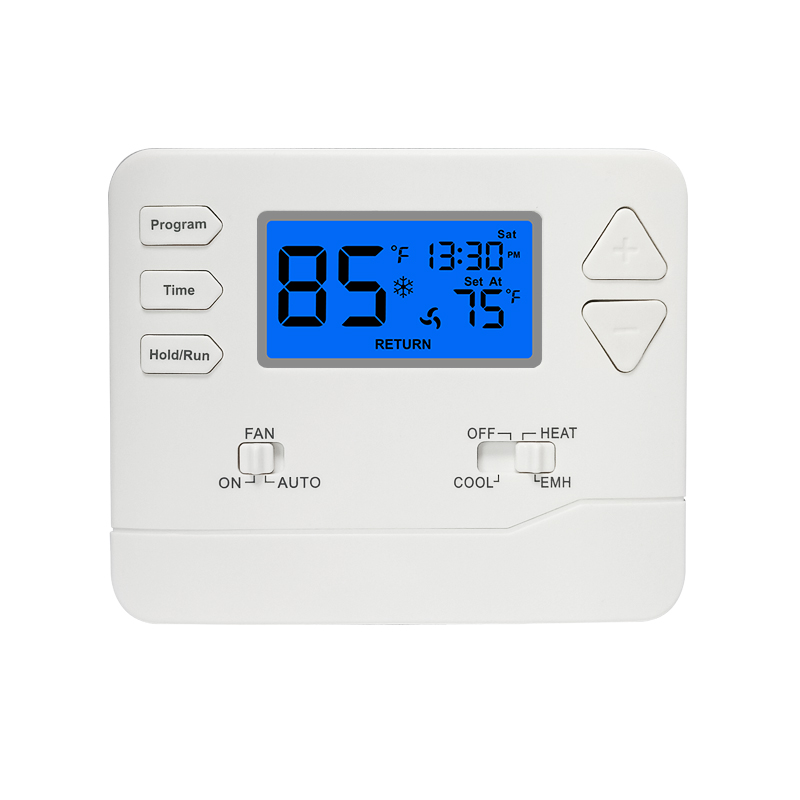
A premium Riseem thermostat is not just a digital display on your wall; it is the ultimate gatekeeper of your indoor environment.
Why a Quality Thermostat Is the Key to a More Comfortable Home
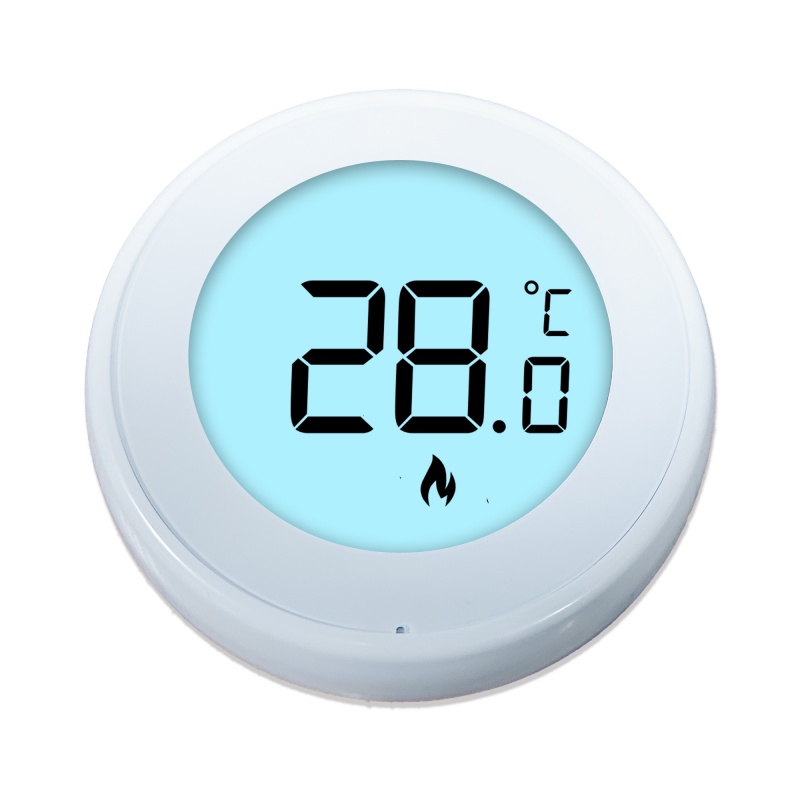
While the TUYA app provides the elegant interface, the physical thermostat remains the brain of the operation. Riseem has engineered a device that looks minimalist on your wall while delivering industrial-grade precision to your HVAC equipment.
Welcome to the Future of Home Automation The Ultimate Guide to TUYA WIFI Smart Thermostats