
What is the difference between auxiliary heat and emergency heat
author: Somi
2025-05-20
What is the Difference between Auxiliary Heat and Emergency Heat? A Comprehensive Guide
1. What Are Auxiliary Heat and Emergency Heat in the Context of Heating Systems?
Auxiliary heat and emergency heat are two important concepts related to heating systems, especially those paired with heat pumps. They play crucial roles in ensuring consistent warmth in your home, and understanding them is essential for proper operation of your thermostat and heating setup. Ocean Controls Limited, a leading name in thermostat technology, designs thermostats that can effectively manage both auxiliary and emergency heat functions.
Q: How do auxiliary heat and emergency heat relate to a thermostat?
A: A thermostat acts as the control center for these heating modes. It monitors the indoor temperature and decides when to engage auxiliary or emergency heat based on pre - set conditions. For example, Ocean Controls Limited's advanced thermostats are programmed to detect when the heat pump alone can't maintain the desired temperature and trigger the appropriate additional heating mode. The thermostat sends electrical signals to the heating system components to activate auxiliary or emergency heat, ensuring your home stays warm.
A: A thermostat acts as the control center for these heating modes. It monitors the indoor temperature and decides when to engage auxiliary or emergency heat based on pre - set conditions. For example, Ocean Controls Limited's advanced thermostats are programmed to detect when the heat pump alone can't maintain the desired temperature and trigger the appropriate additional heating mode. The thermostat sends electrical signals to the heating system components to activate auxiliary or emergency heat, ensuring your home stays warm.
Q: What exactly is auxiliary heat?
A: Auxiliary heat is an additional heating source that kicks in when the outdoor temperature drops, and the heat pump's efficiency starts to decline. A heat pump typically extracts heat from the outdoor air and transfers it indoors. But as the temperature outside gets colder, the heat pump has to work harder and may not be able to provide enough heat on its own. Auxiliary heat, often in the form of electric resistance heating elements or a gas furnace, supplements the heat pump's output. The thermostat senses the need for more heat and activates the auxiliary heat to maintain the set temperature, ensuring a comfortable indoor environment.
A: Auxiliary heat is an additional heating source that kicks in when the outdoor temperature drops, and the heat pump's efficiency starts to decline. A heat pump typically extracts heat from the outdoor air and transfers it indoors. But as the temperature outside gets colder, the heat pump has to work harder and may not be able to provide enough heat on its own. Auxiliary heat, often in the form of electric resistance heating elements or a gas furnace, supplements the heat pump's output. The thermostat senses the need for more heat and activates the auxiliary heat to maintain the set temperature, ensuring a comfortable indoor environment.
Q: And what is emergency heat?
A: Emergency heat is a backup heating mode that is designed to be used when the heat pump has malfunctioned or when the outdoor temperature is extremely low, and the heat pump can no longer operate effectively. When you activate emergency heat using your thermostat, it completely bypasses the heat pump and relies solely on the auxiliary heating source (such as electric resistance heaters). This mode is intended to provide a reliable source of heat in critical situations, although it's generally more energy - intensive than normal heat pump operation. Ocean Controls Limited's thermostats are equipped with easy - to - use switches or settings to enable emergency heat quickly when needed.
A: Emergency heat is a backup heating mode that is designed to be used when the heat pump has malfunctioned or when the outdoor temperature is extremely low, and the heat pump can no longer operate effectively. When you activate emergency heat using your thermostat, it completely bypasses the heat pump and relies solely on the auxiliary heating source (such as electric resistance heaters). This mode is intended to provide a reliable source of heat in critical situations, although it's generally more energy - intensive than normal heat pump operation. Ocean Controls Limited's thermostats are equipped with easy - to - use switches or settings to enable emergency heat quickly when needed.

2. When Does Your Thermostat Activate Auxiliary Heat?
Knowing when your thermostat activates auxiliary heat can help you understand how your heating system operates and manage your energy consumption.
Q: What are the triggers for a thermostat to turn on auxiliary heat?
A: The primary trigger is the outdoor temperature. As the temperature drops below a certain threshold (usually around 32°F or 0°C, but this can vary depending on the heat pump and thermostat settings), the heat pump's ability to extract heat from the outside air diminishes. The thermostat constantly monitors the indoor temperature and compares it to the setpoint. When it detects that the heat pump isn't keeping up with the heating demand, it signals the auxiliary heat to turn on. For instance, Ocean Controls Limited's thermostats use precise temperature sensors and intelligent algorithms to accurately determine when auxiliary heat is required.
A: The primary trigger is the outdoor temperature. As the temperature drops below a certain threshold (usually around 32°F or 0°C, but this can vary depending on the heat pump and thermostat settings), the heat pump's ability to extract heat from the outside air diminishes. The thermostat constantly monitors the indoor temperature and compares it to the setpoint. When it detects that the heat pump isn't keeping up with the heating demand, it signals the auxiliary heat to turn on. For instance, Ocean Controls Limited's thermostats use precise temperature sensors and intelligent algorithms to accurately determine when auxiliary heat is required.
Q: Can other factors influence the activation of auxiliary heat?
A: Yes, other factors can play a role. High heating demands in your home, such as when you have many people present, are using a lot of hot water, or have large windows that let in cold drafts, can also cause the thermostat to activate auxiliary heat. Additionally, if there are issues with the heat pump's refrigerant levels or other components that affect its performance, the thermostat may engage auxiliary heat to compensate and maintain the desired indoor temperature.
A: Yes, other factors can play a role. High heating demands in your home, such as when you have many people present, are using a lot of hot water, or have large windows that let in cold drafts, can also cause the thermostat to activate auxiliary heat. Additionally, if there are issues with the heat pump's refrigerant levels or other components that affect its performance, the thermostat may engage auxiliary heat to compensate and maintain the desired indoor temperature.

3. When Should You Use Emergency Heat via Your Thermostat?
Understanding when to use emergency heat is crucial for maintaining comfort and preventing damage to your heating system.
Q: In what situations is it appropriate to activate emergency heat on the thermostat?
A: The most common situation is when the heat pump has broken down. Whether it's due to a mechanical failure, electrical issue, or refrigerant leak, if the heat pump isn't working, engaging emergency heat through your thermostat can provide immediate warmth. Another scenario is when the outdoor temperature is extremely frigid, beyond the heat pump's operational limits. For example, in an arctic cold snap, the heat pump may not be able to function at all, and emergency heat becomes essential. Ocean Controls Limited advises users to use emergency heat only when necessary, as it typically consumes more energy.
A: The most common situation is when the heat pump has broken down. Whether it's due to a mechanical failure, electrical issue, or refrigerant leak, if the heat pump isn't working, engaging emergency heat through your thermostat can provide immediate warmth. Another scenario is when the outdoor temperature is extremely frigid, beyond the heat pump's operational limits. For example, in an arctic cold snap, the heat pump may not be able to function at all, and emergency heat becomes essential. Ocean Controls Limited advises users to use emergency heat only when necessary, as it typically consumes more energy.
Q: Are there any risks associated with using emergency heat?
A: One of the main risks is higher energy consumption. Since emergency heat usually relies on electric resistance heating (which is less energy - efficient), it can significantly increase your electricity bill. Also, if used for an extended period, the extra load on your electrical system can potentially cause circuit breakers to trip or put stress on your home's electrical infrastructure. However, in emergencies, the benefits of having a warm home outweigh these risks, and Ocean Controls Limited's thermostats are designed with safety features to mitigate potential electrical issues as much as possible.
A: One of the main risks is higher energy consumption. Since emergency heat usually relies on electric resistance heating (which is less energy - efficient), it can significantly increase your electricity bill. Also, if used for an extended period, the extra load on your electrical system can potentially cause circuit breakers to trip or put stress on your home's electrical infrastructure. However, in emergencies, the benefits of having a warm home outweigh these risks, and Ocean Controls Limited's thermostats are designed with safety features to mitigate potential electrical issues as much as possible.

4. How Do Auxiliary Heat and Emergency Heat Differ in Operation?
The operational differences between auxiliary heat and emergency heat are significant and impact how your heating system functions.
Q: How does the operation of auxiliary heat differ from emergency heat?
A: Auxiliary heat works in tandem with the heat pump. It supplements the heat pump's output, meaning both the heat pump and the auxiliary heating source operate simultaneously to provide the required warmth. In contrast, emergency heat bypasses the heat pump entirely. When you activate emergency heat on your thermostat, only the auxiliary heating elements (such as electric coils or a gas furnace) are in operation. This difference in operation affects energy usage, as running both the heat pump and auxiliary heat (in the case of auxiliary heat mode) is generally more energy - efficient than relying solely on the auxiliary source (in emergency heat mode).
A: Auxiliary heat works in tandem with the heat pump. It supplements the heat pump's output, meaning both the heat pump and the auxiliary heating source operate simultaneously to provide the required warmth. In contrast, emergency heat bypasses the heat pump entirely. When you activate emergency heat on your thermostat, only the auxiliary heating elements (such as electric coils or a gas furnace) are in operation. This difference in operation affects energy usage, as running both the heat pump and auxiliary heat (in the case of auxiliary heat mode) is generally more energy - efficient than relying solely on the auxiliary source (in emergency heat mode).
Q: Do they have different response times when activated by the thermostat?
A: Typically, the response time can vary. Auxiliary heat is designed to kick in smoothly and gradually when the thermostat detects a need for additional heat. It's an automated process that aims to maintain a consistent indoor temperature without sudden spikes in energy use. Emergency heat, on the other hand, is meant to provide immediate warmth in urgent situations. When you manually activate emergency heat on your Ocean Controls Limited thermostat, the system quickly switches to using only the auxiliary heating source, often resulting in a faster increase in indoor temperature.
A: Typically, the response time can vary. Auxiliary heat is designed to kick in smoothly and gradually when the thermostat detects a need for additional heat. It's an automated process that aims to maintain a consistent indoor temperature without sudden spikes in energy use. Emergency heat, on the other hand, is meant to provide immediate warmth in urgent situations. When you manually activate emergency heat on your Ocean Controls Limited thermostat, the system quickly switches to using only the auxiliary heating source, often resulting in a faster increase in indoor temperature.

5. What Are the Energy Consumption Differences between Auxiliary Heat and Emergency Heat?
Understanding the energy implications of auxiliary heat and emergency heat can help you make informed decisions about your heating system and energy bills.
Q: Which mode, auxiliary heat or emergency heat, consumes more energy?
A: Emergency heat generally consumes more energy. As mentioned earlier, when in emergency heat mode, the system relies solely on the auxiliary heating source, which is often electric resistance heating. Electric resistance heaters convert a large amount of electrical energy directly into heat, and this process is less efficient compared to the combined operation of a heat pump and auxiliary heat in auxiliary heat mode. In auxiliary heat mode, the heat pump still contributes to the heating process, reducing the overall energy demand from the auxiliary source. Ocean Controls Limited's thermostats can provide insights into energy usage for both modes, helping users manage their consumption.
A: Emergency heat generally consumes more energy. As mentioned earlier, when in emergency heat mode, the system relies solely on the auxiliary heating source, which is often electric resistance heating. Electric resistance heaters convert a large amount of electrical energy directly into heat, and this process is less efficient compared to the combined operation of a heat pump and auxiliary heat in auxiliary heat mode. In auxiliary heat mode, the heat pump still contributes to the heating process, reducing the overall energy demand from the auxiliary source. Ocean Controls Limited's thermostats can provide insights into energy usage for both modes, helping users manage their consumption.
Q: How can I minimize energy consumption when using these heating modes?
A: To minimize energy use with auxiliary heat, ensure your thermostat is properly calibrated and set to the most energy - efficient temperature. You can also seal air leaks in your home, insulate well, and use curtains or blinds to prevent heat loss. When it comes to emergency heat, use it only when absolutely necessary and for as short a time as possible. Consider having your heat pump serviced regularly to prevent breakdowns that might force you to rely on emergency heat. Ocean Controls Limited offers thermostats with energy - saving features and programmable settings that can help optimize energy consumption in both auxiliary and emergency heat modes.
A: To minimize energy use with auxiliary heat, ensure your thermostat is properly calibrated and set to the most energy - efficient temperature. You can also seal air leaks in your home, insulate well, and use curtains or blinds to prevent heat loss. When it comes to emergency heat, use it only when absolutely necessary and for as short a time as possible. Consider having your heat pump serviced regularly to prevent breakdowns that might force you to rely on emergency heat. Ocean Controls Limited offers thermostats with energy - saving features and programmable settings that can help optimize energy consumption in both auxiliary and emergency heat modes.
6. How Can Ocean Controls Limited's Thermostats Help Manage Auxiliary Heat and Emergency Heat?
Ocean Controls Limited's thermostats are equipped with features that enhance the management of auxiliary heat and emergency heat.
Q: What features do Ocean Controls Limited's thermostats offer for these heating modes?
A: Ocean Controls Limited's thermostats come with precise temperature sensors and intelligent algorithms that accurately detect when to activate auxiliary heat. They also have user - friendly interfaces that make it easy to switch to emergency heat mode when needed. Some models offer remote access via a mobile app, allowing you to monitor and control your heating system, including auxiliary and emergency heat settings, from anywhere. Additionally, these thermostats can provide detailed energy usage reports, helping you understand how much energy is being consumed in each mode and make adjustments to save on costs.
A: Ocean Controls Limited's thermostats come with precise temperature sensors and intelligent algorithms that accurately detect when to activate auxiliary heat. They also have user - friendly interfaces that make it easy to switch to emergency heat mode when needed. Some models offer remote access via a mobile app, allowing you to monitor and control your heating system, including auxiliary and emergency heat settings, from anywhere. Additionally, these thermostats can provide detailed energy usage reports, helping you understand how much energy is being consumed in each mode and make adjustments to save on costs.
Q: How does Ocean Controls Limited support users in using these heating modes effectively?
A: The company provides comprehensive user manuals and online resources that explain how to use auxiliary heat and emergency heat with their thermostats. Their customer support team is available to answer any questions regarding the operation, troubleshooting, or optimization of these heating modes. Ocean Controls Limited also regularly updates the software of its smart thermostats to improve performance and ensure seamless integration with heating systems, enabling users to get the most out of their auxiliary and emergency heat functions.
A: The company provides comprehensive user manuals and online resources that explain how to use auxiliary heat and emergency heat with their thermostats. Their customer support team is available to answer any questions regarding the operation, troubleshooting, or optimization of these heating modes. Ocean Controls Limited also regularly updates the software of its smart thermostats to improve performance and ensure seamless integration with heating systems, enabling users to get the most out of their auxiliary and emergency heat functions.
Conclusion
Understanding the difference between auxiliary heat and emergency heat is essential for anyone with a heating system that includes a heat pump. Your thermostat, especially one from a reliable provider like Ocean Controls Limited, is key to managing these heating modes effectively. By knowing when and how each mode operates, as well as their energy implications, you can keep your home warm, comfortable, and energy - efficient. Whether it's the supplementary action of auxiliary heat or the backup function of emergency heat, leveraging your thermostat's capabilities will ensure your heating system serves you well in all weather conditions.


Thermostat with emergency heat switch
what is em heat on the thermostat
Related Article
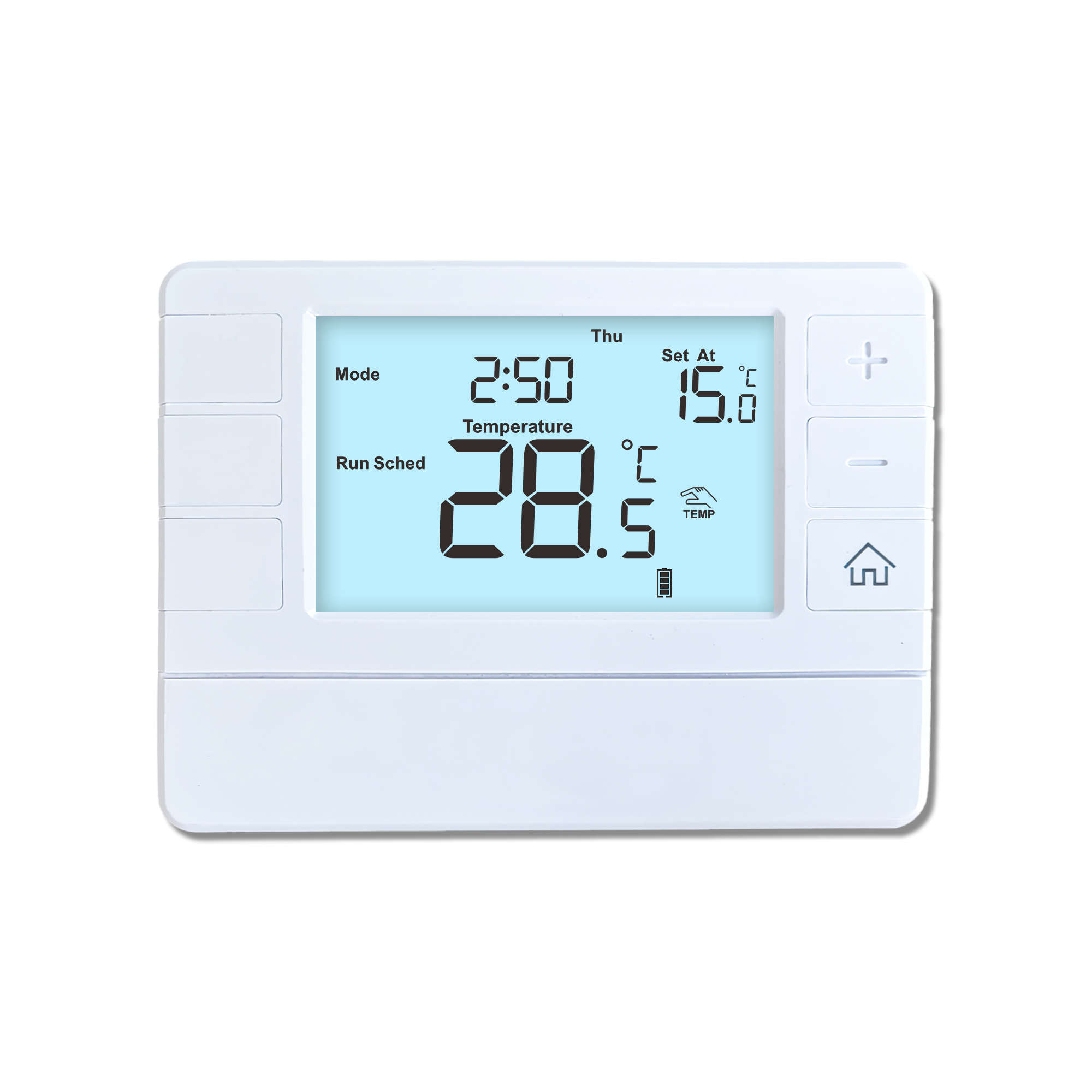
This shift has made traditional, manual thermostats obsolete, paving the way for advanced smart technologies.
Why You Need a Smart Thermostat
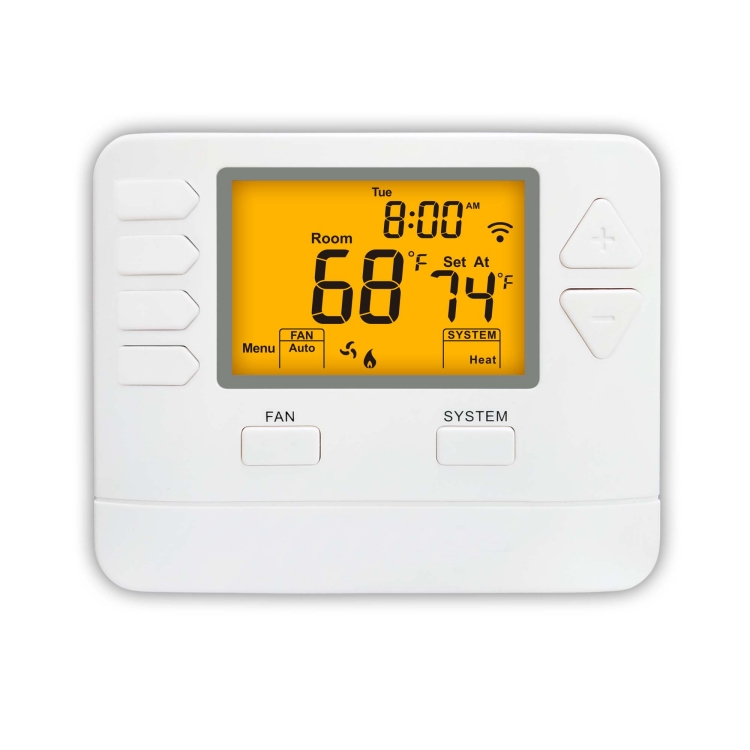
A true 7 Day programmable room thermostat offers the ultimate granular control. It allows users to program a distinct, customized heating and cooling schedule for every single day of the week.
How a 7 Day Programmable Room Thermostat Maximizes Home Comfort and Efficiency
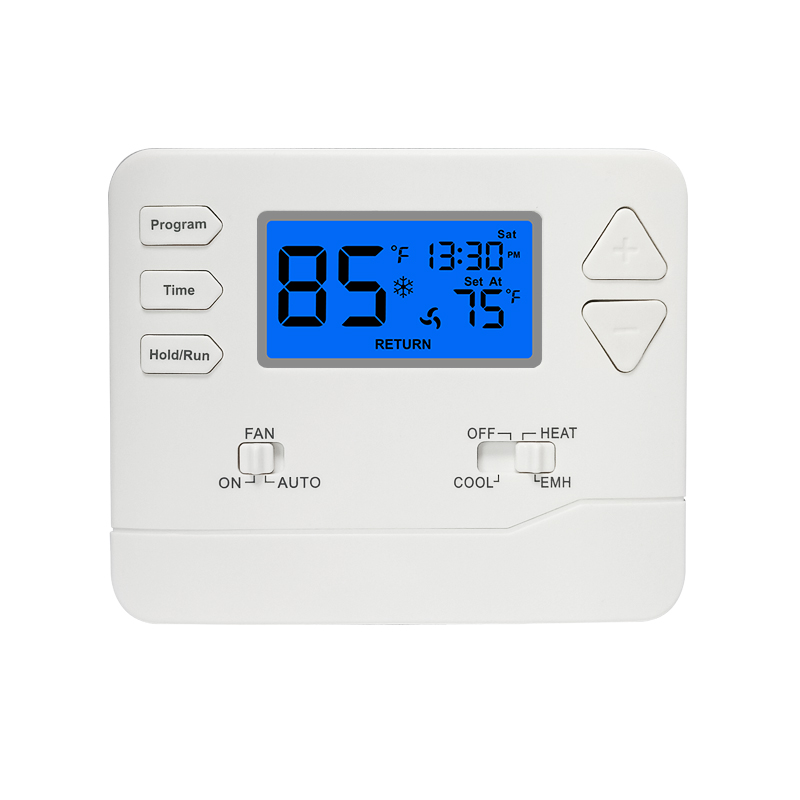
A premium Riseem thermostat is not just a digital display on your wall; it is the ultimate gatekeeper of your indoor environment.
Why a Quality Thermostat Is the Key to a More Comfortable Home
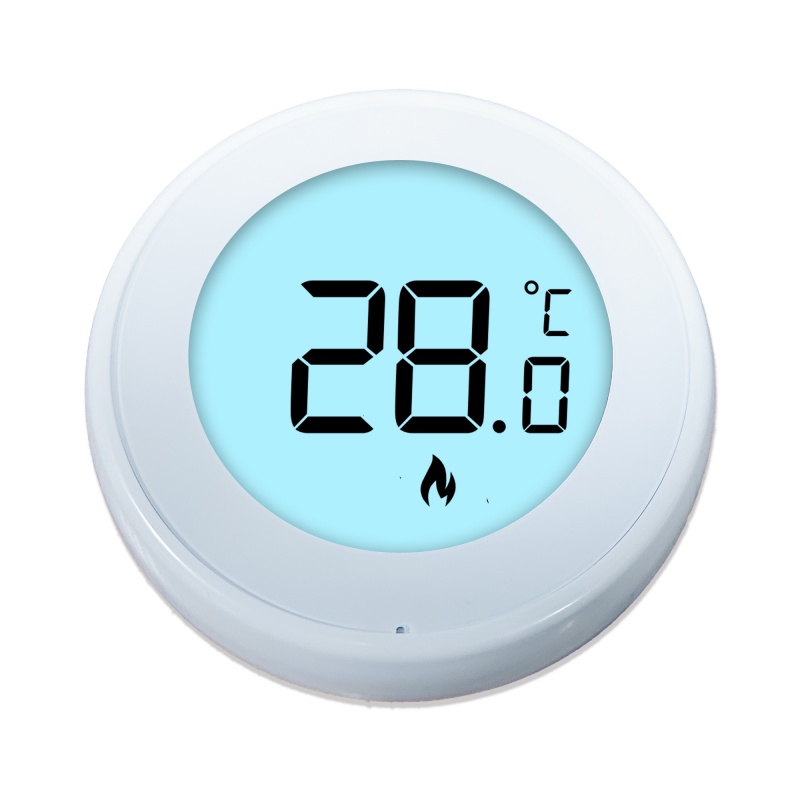
While the TUYA app provides the elegant interface, the physical thermostat remains the brain of the operation. Riseem has engineered a device that looks minimalist on your wall while delivering industrial-grade precision to your HVAC equipment.
Welcome to the Future of Home Automation The Ultimate Guide to TUYA WIFI Smart Thermostats