
What is the working principle of a manual indoor thermostat
author: Lily
2025-04-01
What is the Working Principle of a Manual Indoor Thermostat
In the pursuit of a comfortable indoor environment, manual indoor thermostats have been a staple for decades. These unassuming devices play a crucial role in maintaining a pleasant temperature within our homes. Let's delve into the fascinating workings of these essential household items.
Fundamental Structure and Components
A manual indoor thermostat is built around a few key components. At its core is the temperature - sensing component. One prevalent type is the bimetallic strip. Comprising two different metals bonded together, each metal has a unique thermal expansion rate. When exposed to temperature fluctuations, this difference in expansion causes the strip to bend. Another common sensing element is the thermistor, a semiconductor device. Its electrical resistance changes in response to temperature variations, making it an effective sensor for the thermostat.
Connected to the sensing element is the control mechanism. This typically includes a dial or lever that users can manipulate. Depending on whether the thermostat is regulating an electric heating system or a gas - powered one, the control mechanism is linked to either electrical contacts or valves.
Temperature Detection and Reaction
As the indoor temperature changes, the temperature - sensing element springs into action. For a bimetallic strip, when the temperature increases, one metal in the strip expands more than the other, causing it to curve. When the temperature drops, the strip bends in the opposite direction. In the case of a thermistor, a change in temperature leads to an alteration in its electrical resistance. The thermostat's internal circuitry then detects this change in resistance.
Once the sensing element has detected a temperature deviation, it triggers a response. If the temperature has fallen below the set value, the bending of the bimetallic strip or the change in the thermistor's resistance will prompt the control mechanism to close an electrical circuit or open a valve. This action activates the heating system, like starting up a furnace or a baseboard heater. Conversely, if the temperature rises above the set point, the sensing element's reaction will cause the control mechanism to break the electrical circuit or close the valve, thus shutting off the heating system.
User - Controlled Temperature Settings
One of the most appealing aspects of a manual indoor thermostat is its user - friendly nature. Homeowners have the ability to manually set the desired temperature. By rotating the dial or moving the lever on the thermostat, they establish a target temperature for the device to maintain. For instance, during the winter months, if someone wishes to keep the room at 22°C (71.6°F), they turn the dial until the indicator aligns with this value. The thermostat then endeavors to keep the room temperature as close as possible to this set point.
Should the indoor conditions change, perhaps due to external factors such as a sudden cold spell or a sunny day warming up the room, the user can easily modify the thermostat setting. They can raise the temperature if the room feels chilly or lower it if it becomes too warm. This hands - on control empowers users to directly manage the comfort level of their living space.
In conclusion, a manual indoor thermostat, through its temperature - sensing element, control mechanism, and user - adjustable settings, offers a simple yet highly effective method of regulating indoor temperatures. Even with the development of more advanced, programmable thermostats, manual indoor thermostats continue to be a favored choice for those who value simplicity and reliability in temperature control.


how to change room temperature on thermostat
The Benefits of Installing an Electronic Room Thermostat
Related Article
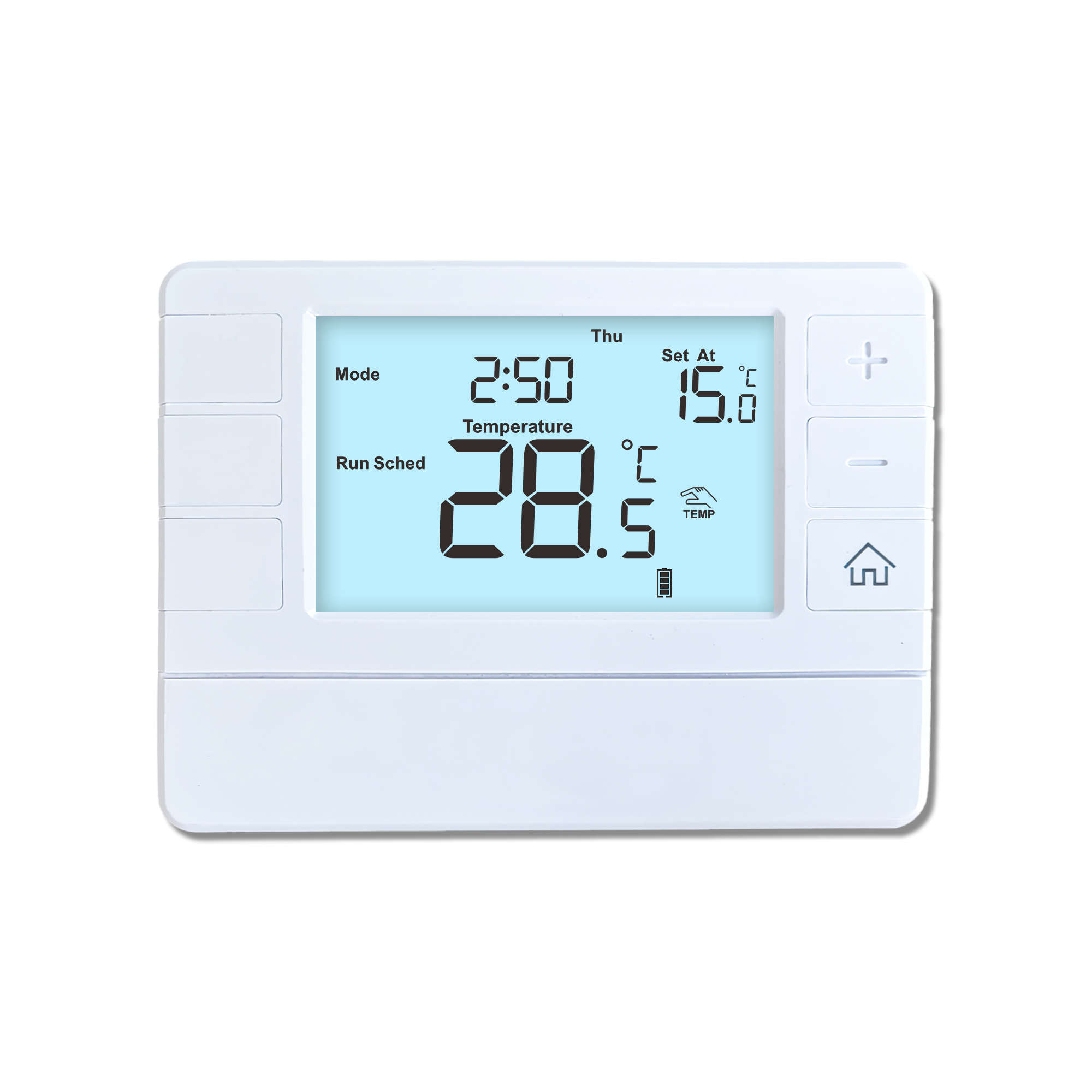
This shift has made traditional, manual thermostats obsolete, paving the way for advanced smart technologies.
Why You Need a Smart Thermostat
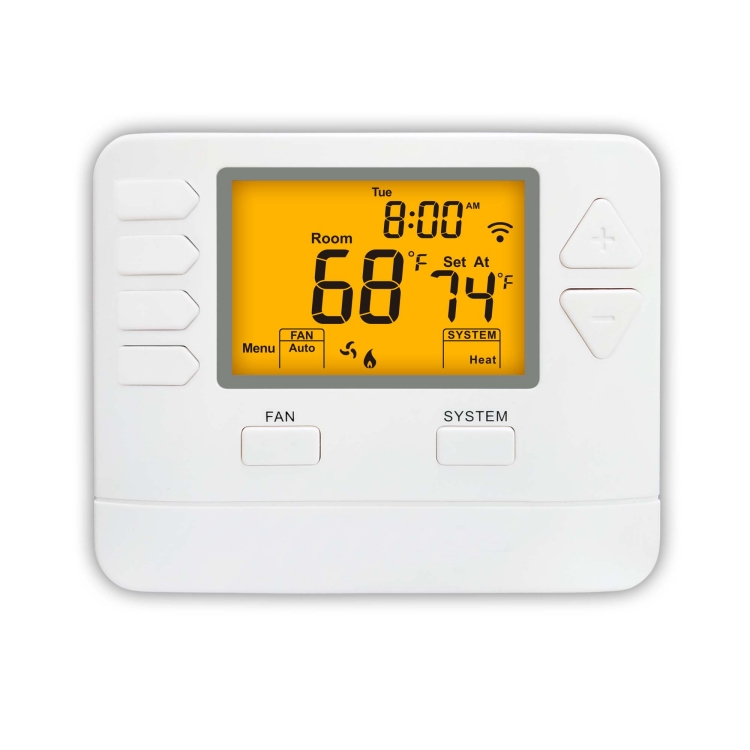
A true 7 Day programmable room thermostat offers the ultimate granular control. It allows users to program a distinct, customized heating and cooling schedule for every single day of the week.
How a 7 Day Programmable Room Thermostat Maximizes Home Comfort and Efficiency
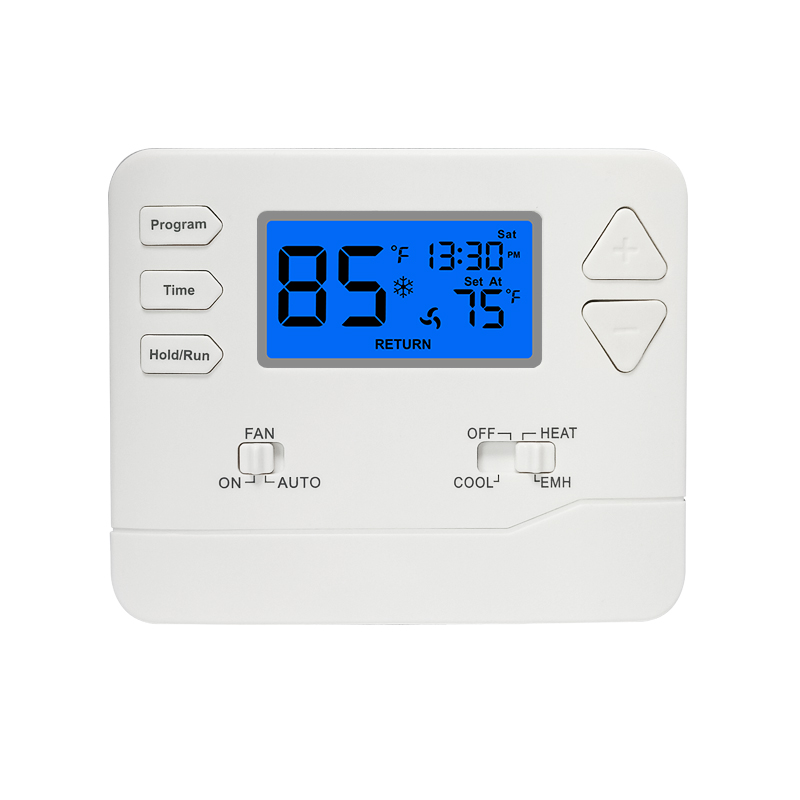
A premium Riseem thermostat is not just a digital display on your wall; it is the ultimate gatekeeper of your indoor environment.
Why a Quality Thermostat Is the Key to a More Comfortable Home
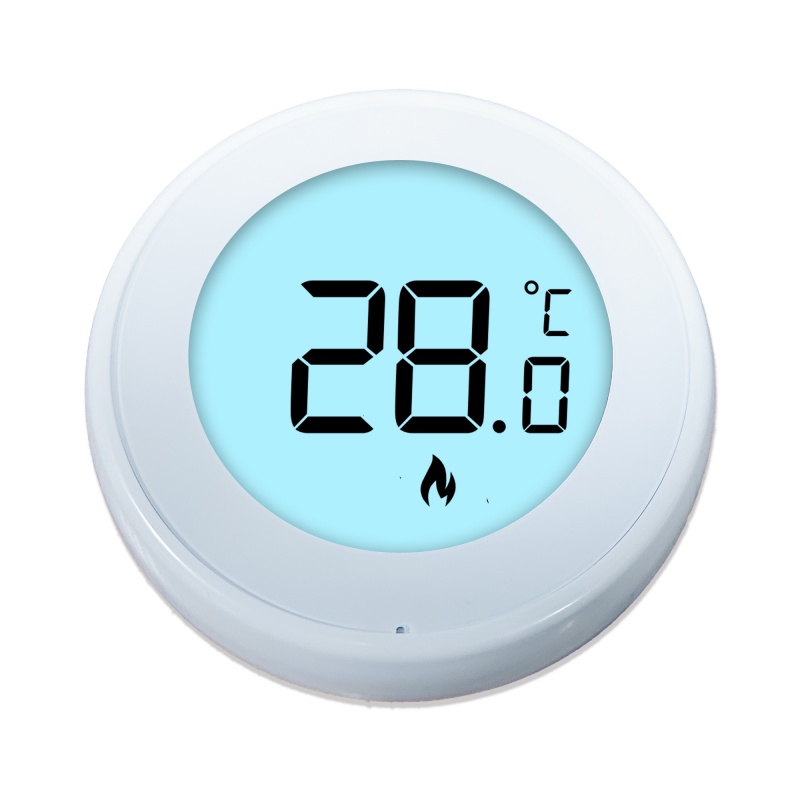
While the TUYA app provides the elegant interface, the physical thermostat remains the brain of the operation. Riseem has engineered a device that looks minimalist on your wall while delivering industrial-grade precision to your HVAC equipment.
Welcome to the Future of Home Automation The Ultimate Guide to TUYA WIFI Smart Thermostats