
What is the working principle of the digital programmable indoor thermostat
author: Lily
2025-04-07
What is the Working Principle of the Digital Programmable Indoor Thermostat
Digital programmable indoor thermostats have become an essential part of modern homes and commercial spaces, providing efficient temperature control. Understanding how these devices work helps users maximize their benefits, from maintaining a comfortable environment to achieving significant energy savings.
Core Components and Their Roles
- Temperature Sensors: At the heart of every digital programmable thermostat is a highly sensitive temperature sensor. This component constantly monitors the ambient temperature within the space it’s installed in. Using thermistors or other temperature - sensing technologies, it converts the detected temperature into an electrical signal. For example, in a home thermostat, a thermistor’s resistance changes with temperature. The sensor then sends this electrical signal to the thermostat's microcontroller unit (MCU).
- Microcontroller Unit (MCU): The MCU is the “brain” of the digital programmable thermostat. It receives the temperature data from the sensor and compares it with the pre - programmed temperature settings. These settings can include different temperature values for various times of the day, such as a lower temperature at night for energy conservation. The MCU processes this information using a set of pre - written algorithms. Based on the comparison, it decides whether to turn on or off the heating or cooling system.
- User Interface: The user interface allows occupants to input their temperature preferences and programming schedules. It can be in the form of buttons, a touch - screen, or even a mobile app for smart thermostats. Once the user enters the desired settings, the MCU stores this information in its memory.
Working Process in Different Scenarios
- Heating Mode: When the temperature detected by the sensor is lower than the set heating temperature, the MCU sends a signal to the heating system. For instance, if the pre - programmed heating temperature for the living room in the morning is 22°C and the sensor reads 20°C, the MCU activates the furnace or other heating equipment. The heating system starts to warm the air, and the hot air is distributed throughout the room. As the temperature rises, the sensor continues to send updated temperature data to the MCU. Once the set temperature of 22°C is reached, the MCU sends a signal to turn off the heating system, preventing overheating.
- Cooling Mode: In cooling mode, the process is reversed. When the sensor detects that the temperature is higher than the set cooling temperature, the MCU signals the air - conditioning unit to start. As the air - conditioning system cools the air and distributes it in the room, the temperature drops. Once the set cooling temperature is achieved, the MCU turns off the air - conditioning system.
- Programmable Scheduling: One of the key features of digital programmable thermostats is their ability to operate based on a pre - set schedule. For example, a user can program the thermostat to lower the temperature by a few degrees during the day when no one is at home. At the programmed time, the MCU adjusts the temperature settings accordingly, without any manual intervention. This not only provides comfort but also helps in reducing energy consumption.
Communication with Heating and Cooling Systems
Digital programmable thermostats communicate with heating and cooling systems through low - voltage wires. These wires carry the signals sent by the MCU to the respective systems. In the case of smart thermostats, they can also communicate wirelessly, either via Wi - Fi or Bluetooth. This wireless communication allows users to control the thermostat remotely using a smartphone or other smart devices.


how does a wireless room thermostat work
How to install and set up a touchscreen indoor thermostat
Related Article
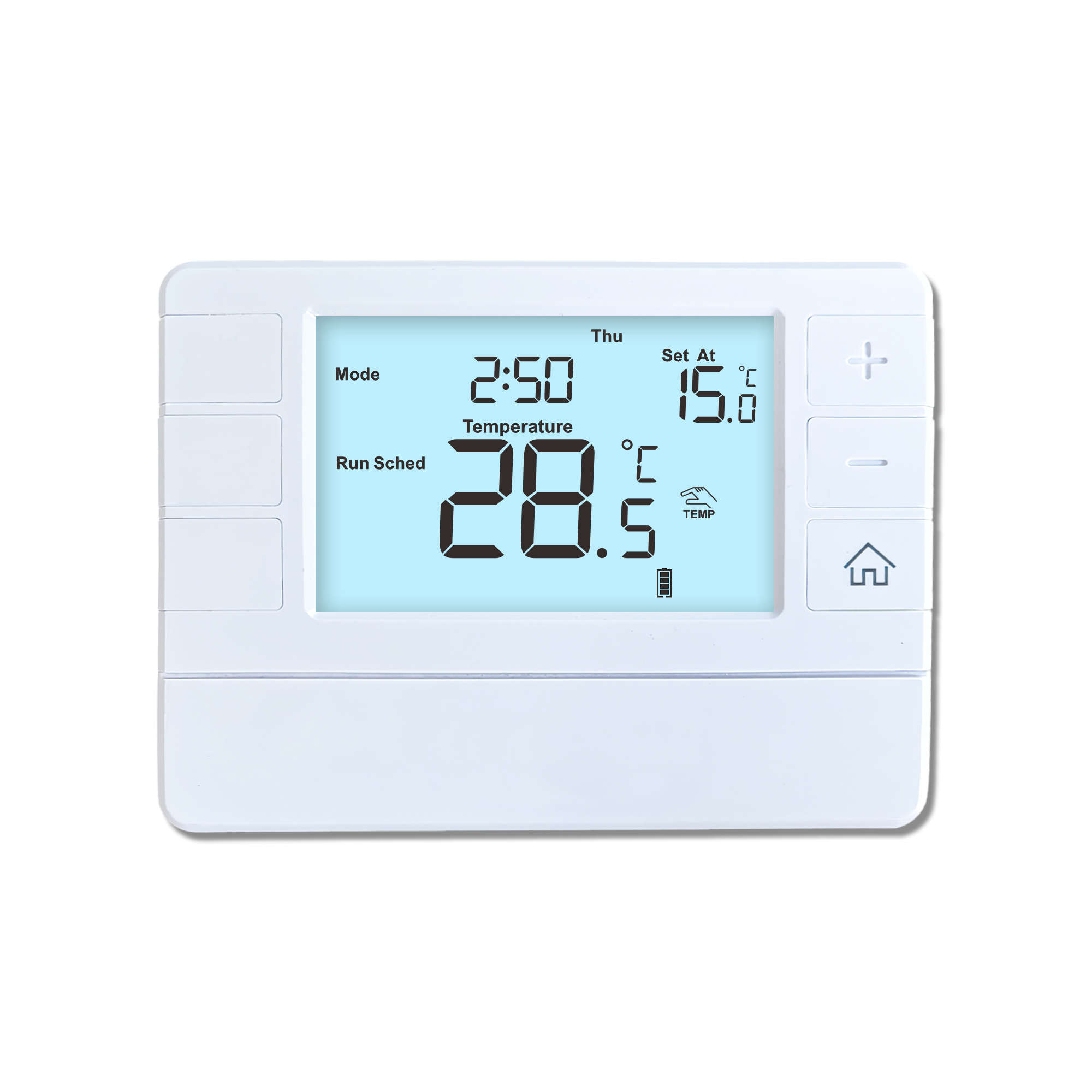
This shift has made traditional, manual thermostats obsolete, paving the way for advanced smart technologies.
Why You Need a Smart Thermostat
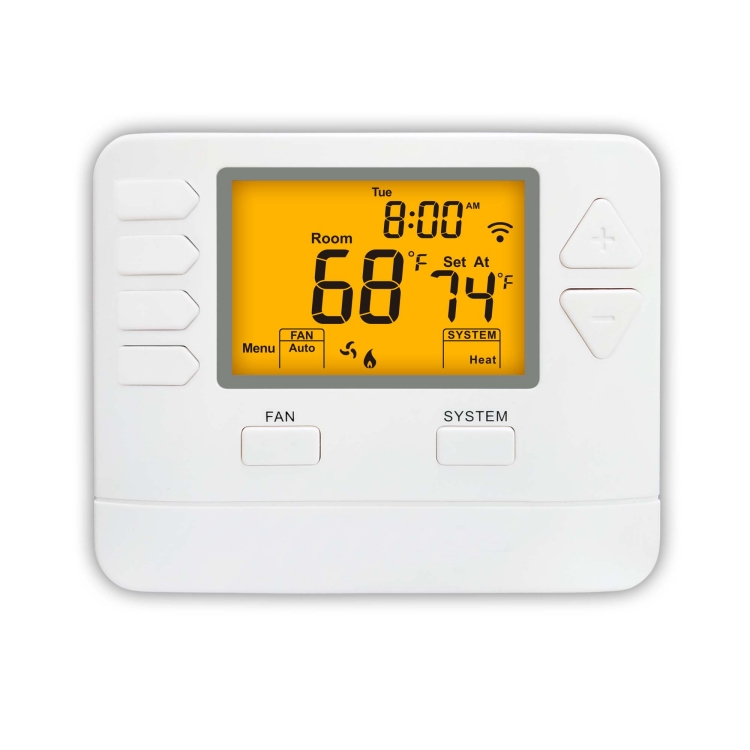
A true 7 Day programmable room thermostat offers the ultimate granular control. It allows users to program a distinct, customized heating and cooling schedule for every single day of the week.
How a 7 Day Programmable Room Thermostat Maximizes Home Comfort and Efficiency
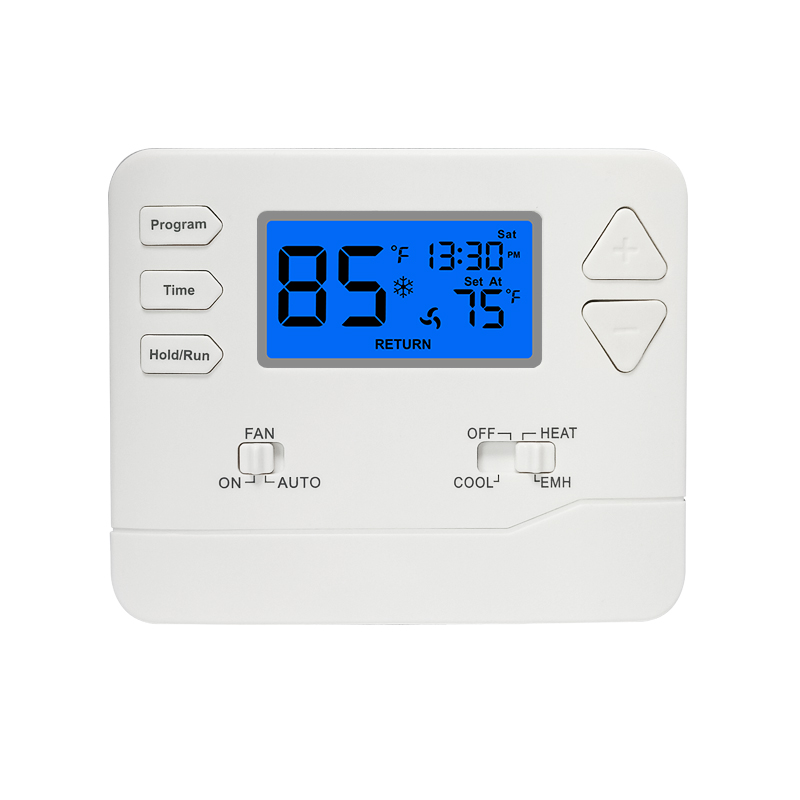
A premium Riseem thermostat is not just a digital display on your wall; it is the ultimate gatekeeper of your indoor environment.
Why a Quality Thermostat Is the Key to a More Comfortable Home
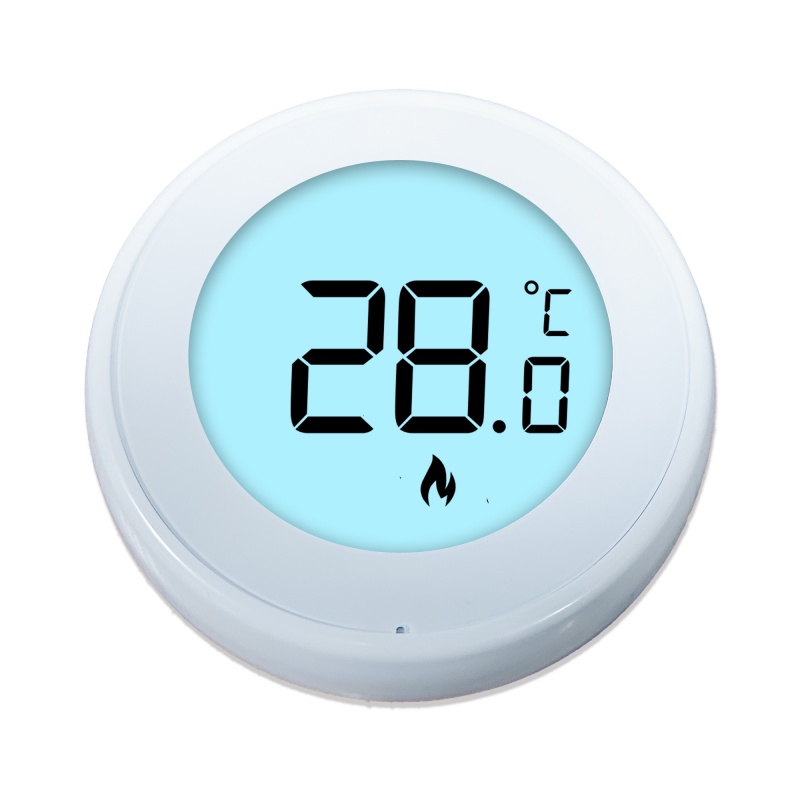
While the TUYA app provides the elegant interface, the physical thermostat remains the brain of the operation. Riseem has engineered a device that looks minimalist on your wall while delivering industrial-grade precision to your HVAC equipment.
Welcome to the Future of Home Automation The Ultimate Guide to TUYA WIFI Smart Thermostats