
What is the working principle of the thermostat in a hotel room
author: Lily
2025-03-17
What is the Working Principle of the Thermostat in a Hotel Room?


In modern hotels, thermostats play a crucial role in ensuring guests' comfort by maintaining a stable and pleasant room temperature. Understanding how these devices work can give us an insight into the technology that contributes to our cozy stays.
Temperature Detection
The first step in the thermostat's operation is temperature detection. This is achieved through a temperature sensor, which is often a key component such as a thermistor or a thermocouple. A thermistor, for example, is a type of resistor whose resistance changes significantly with temperature. When the room temperature fluctuates, the resistance of the thermistor also varies. This change in resistance is then converted into an electrical signal. For instance, as the temperature rises, the resistance of a negative temperature coefficient (NTC) thermistor decreases, and this decrease in resistance is detected as a change in electrical current or voltage. This electrical signal is then sent to the next part of the thermostat for further processing.
Signal Processing and Comparison
Once the temperature sensor has sent the electrical signal representing the room's actual temperature, it reaches the controller, which acts as the "brain" of the thermostat. The controller is equipped with microprocessors or integrated circuits that are programmed to interpret the received signal. It converts the electrical signal from the sensor into an actual temperature value in degrees Celsius or Fahrenheit. After that, the controller compares this measured temperature with the temperature set by the guest. If the set temperature is, say, 25°C and the measured temperature is 27°C, the controller determines that the room is too warm and needs to be cooled down. On the other hand, if the measured temperature is 23°C, the controller knows that the room requires heating to reach the desired comfort level.
Command Output and Execution
Based on the result of the comparison in the controller, commands are sent to the execution mechanism, which is usually part of the room's heating, ventilation, and air - conditioning (HVAC) system. If the controller decides that cooling is required, it will send signals to components such as the compressor in an air - conditioning unit. The compressor then starts running, initiating the refrigeration cycle. In this cycle, refrigerant is compressed, which raises its temperature. The hot refrigerant is then passed through a condenser, where it releases heat to the outside environment and condenses into a liquid. Next, the liquid refrigerant passes through an expansion valve, where it expands and cools down. Finally, the cold refrigerant is circulated through an evaporator inside the room, absorbing heat from the air and cooling it. At the same time, the controller may also adjust the speed of the fan in the HVAC system to control the rate of air circulation. If heating is needed, the controller may activate an electric heating element or switch the HVAC system to a heating mode, such as in a heat pump system where the refrigerant flow is reversed to transfer heat into the room.
In conclusion, the thermostat in a hotel room is a sophisticated device that uses a combination of temperature detection, signal processing, and command execution to maintain a comfortable environment for guests. Its seamless operation is a result of the coordinated work of various components, all working towards the common goal of providing an ideal room temperature.


What is the Honeywell digital indoor thermostat
How does a thermostat work on central heating
Related Article
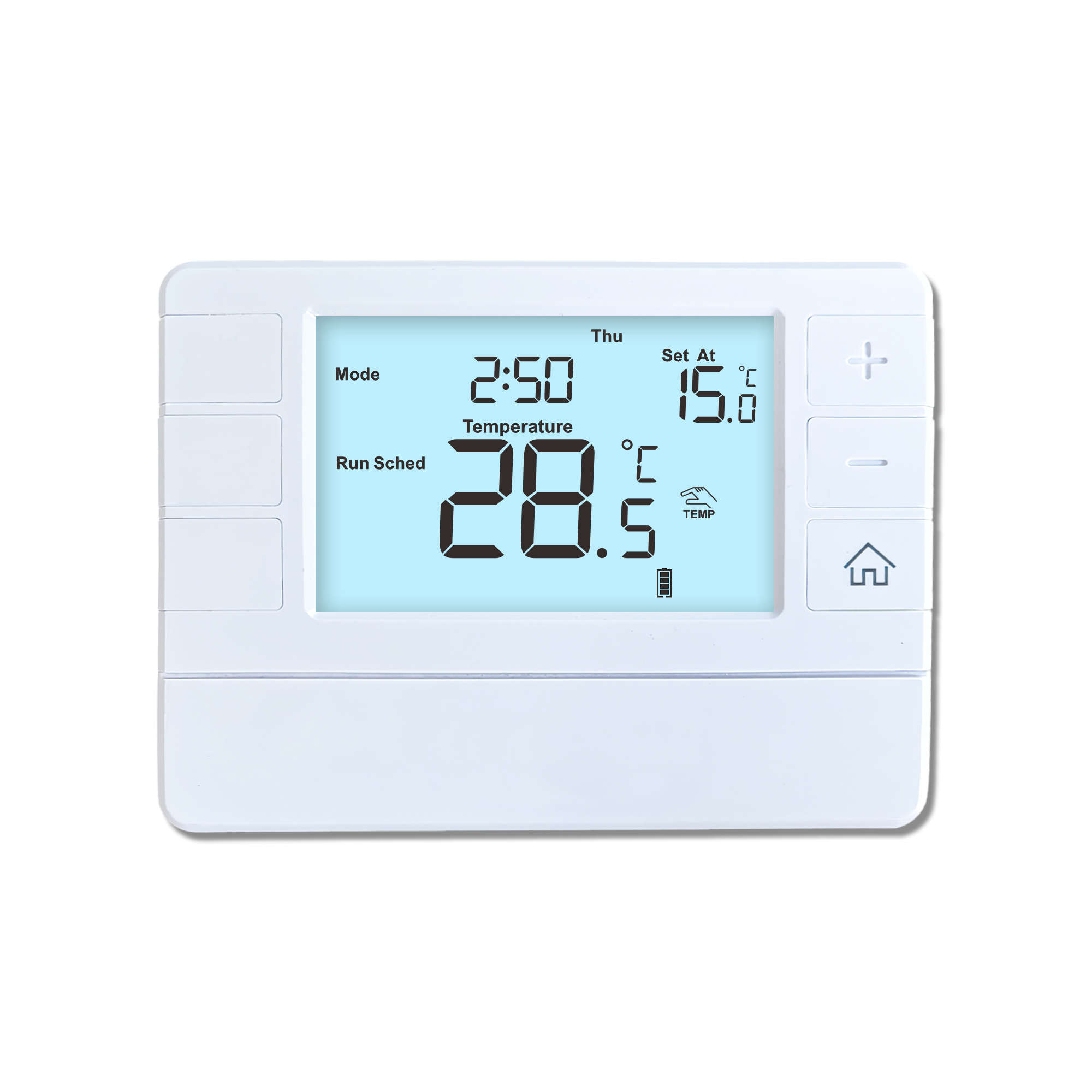
This shift has made traditional, manual thermostats obsolete, paving the way for advanced smart technologies.
Why You Need a Smart Thermostat
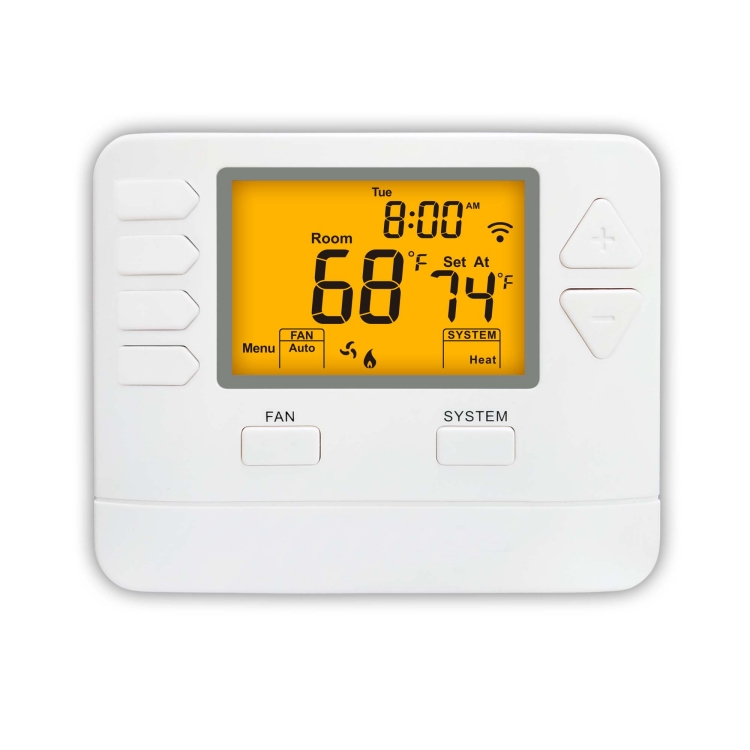
A true 7 Day programmable room thermostat offers the ultimate granular control. It allows users to program a distinct, customized heating and cooling schedule for every single day of the week.
How a 7 Day Programmable Room Thermostat Maximizes Home Comfort and Efficiency
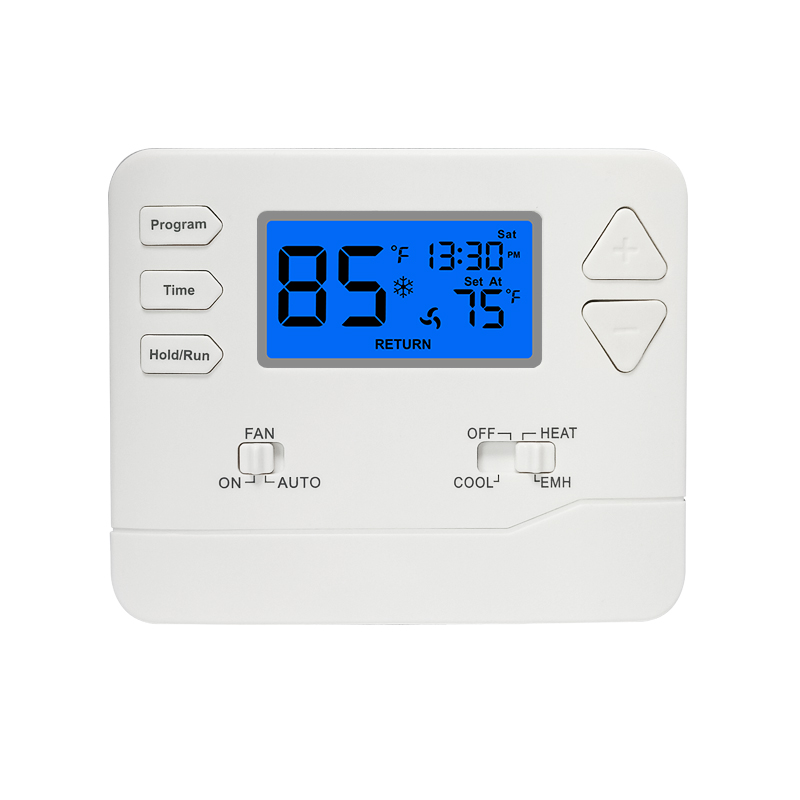
A premium Riseem thermostat is not just a digital display on your wall; it is the ultimate gatekeeper of your indoor environment.
Why a Quality Thermostat Is the Key to a More Comfortable Home
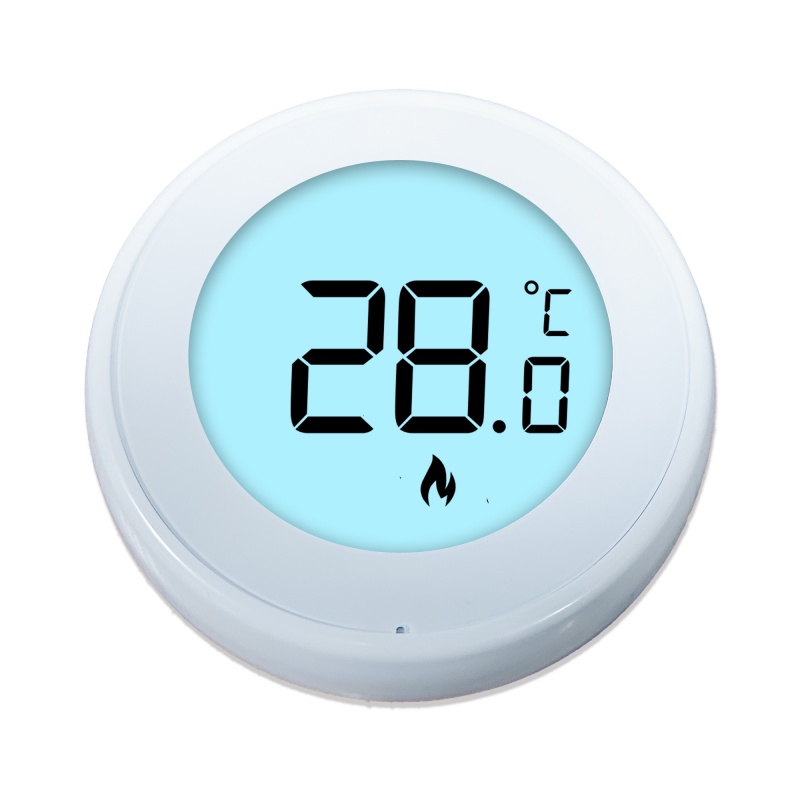
While the TUYA app provides the elegant interface, the physical thermostat remains the brain of the operation. Riseem has engineered a device that looks minimalist on your wall while delivering industrial-grade precision to your HVAC equipment.
Welcome to the Future of Home Automation The Ultimate Guide to TUYA WIFI Smart Thermostats