
What should be paid attention to when installing a household programmable thermostat
author: Lily
2025-04-02
What Should Be Paid Attention to When Installing a Household Programmable Thermostat
In modern homes, household programmable thermostats have become a popular choice for maintaining a comfortable indoor environment while optimizing energy consumption. However, improper installation can lead to inaccurate temperature readings, inefficient operation, and even safety hazards. Here are some key points to consider during the installation process.
Optimal Location Selection
Avoid Sunlight and Heat Sources
The thermostat should be installed on an interior wall, away from direct sunlight. Sunlight can cause the temperature sensor to register falsely high temperatures, leading to incorrect thermostat settings. Similarly, keep it away from heat - generating appliances like radiators, stoves, and lamps. Heat sources near the thermostat can make it think the room is warmer than it actually is, resulting in unnecessary cooling or reduced heating efficiency.
Ensure Proper Height
The ideal height for installing a thermostat is between 1.5 and 1.8 meters from the floor. This position allows the thermostat to accurately measure the temperature in the main living space where people spend most of their time. Installing it too high or too low may result in inconsistent temperature readings.
Promote Good Air Circulation
Choose a location with good air circulation. Avoid corners or areas where furniture obstructs the flow of air. Proper air movement ensures that the thermostat senses the average temperature of the room, rather than the temperature in a stagnant pocket of air.
Precise Wiring and Compatibility
Turn Off the Power
Before starting the installation, always turn off the power supply to the heating and cooling system. This crucial step prevents electric shock and protects both the installer and the equipment from damage.
Identify and Connect Wires Correctly
Carefully study the wiring diagram provided with the thermostat. Different types of thermostats may require different wiring configurations. Identify the wires for power, heating, cooling, and fan control. Make sure to connect each wire to the appropriate terminal on the thermostat. Loose connections can cause intermittent operation or even short - circuits.
Check Compatibility
Verify that the thermostat is compatible with your existing heating and cooling system. Consider factors such as voltage requirements, the type of system (e.g., gas furnace, electric heat pump), and the number of wires available. Using an incompatible thermostat can lead to malfunctions and may void the warranty of your heating and cooling equipment.
Other Considerations
Allow for Maintenance Access
Leave enough space around the thermostat for future maintenance and battery replacement. This includes having easy access to the screws or clips that hold the thermostat in place. A clear workspace around the device makes servicing and upgrades much more convenient.
Avoid Moisture - Prone Areas
Steer clear of installing the thermostat in areas prone to moisture, such as bathrooms or near water pipes. Moisture can damage the internal components of the thermostat, leading to corrosion and malfunction.
Follow Manufacturer's Instructions
Finally, always follow the manufacturer's installation instructions. These instructions are tailored to the specific model of the thermostat and provide step - by - step guidance on proper installation. If you are unsure about any aspect of the installation process, it is advisable to consult a professional HVAC technician.
By paying attention to these details, you can ensure a successful installation of your household programmable thermostat, maximizing its performance and lifespan.


what is a c wire on a thermostat
How to set the temperature on a manual indoor thermostat
Related Article
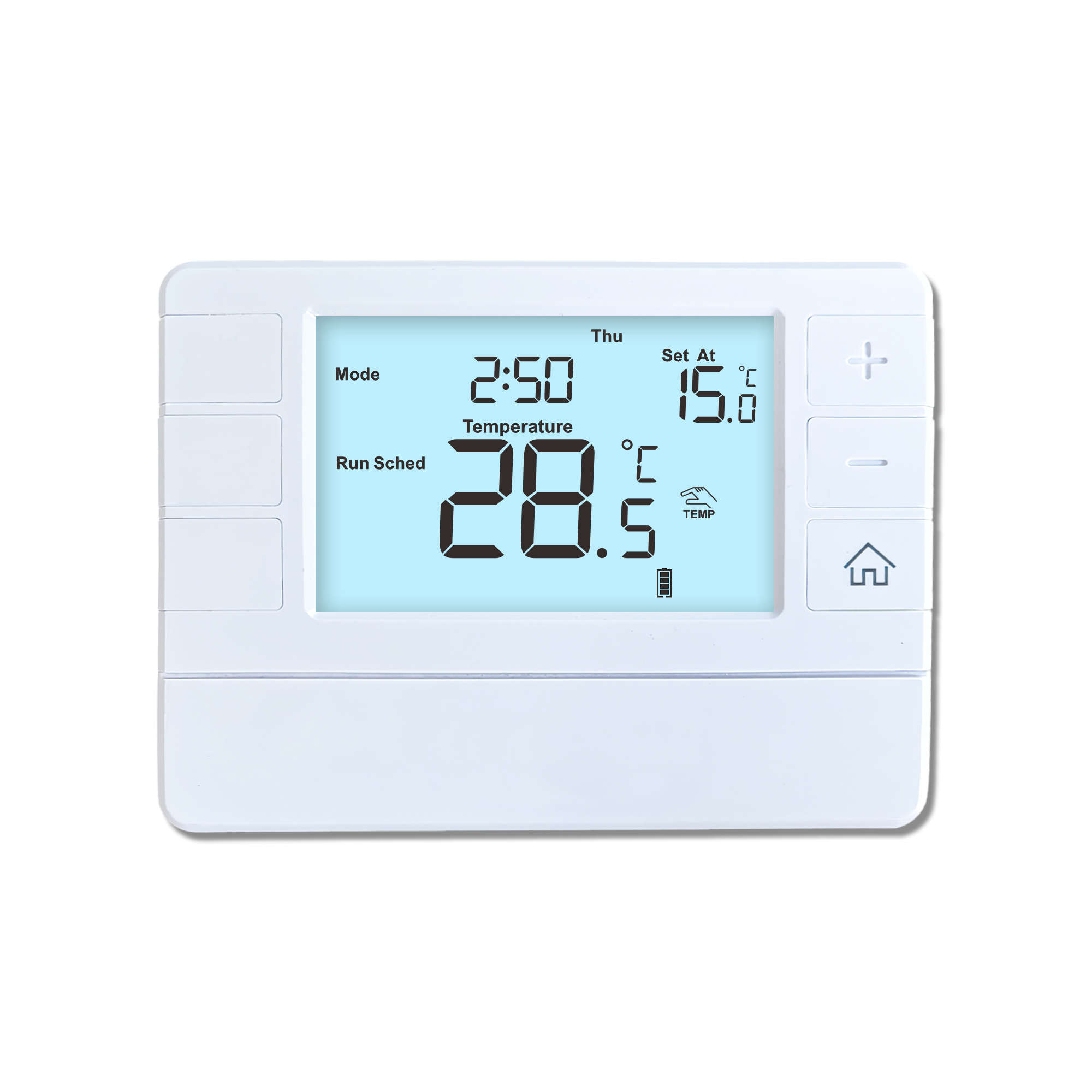
This shift has made traditional, manual thermostats obsolete, paving the way for advanced smart technologies.
Why You Need a Smart Thermostat
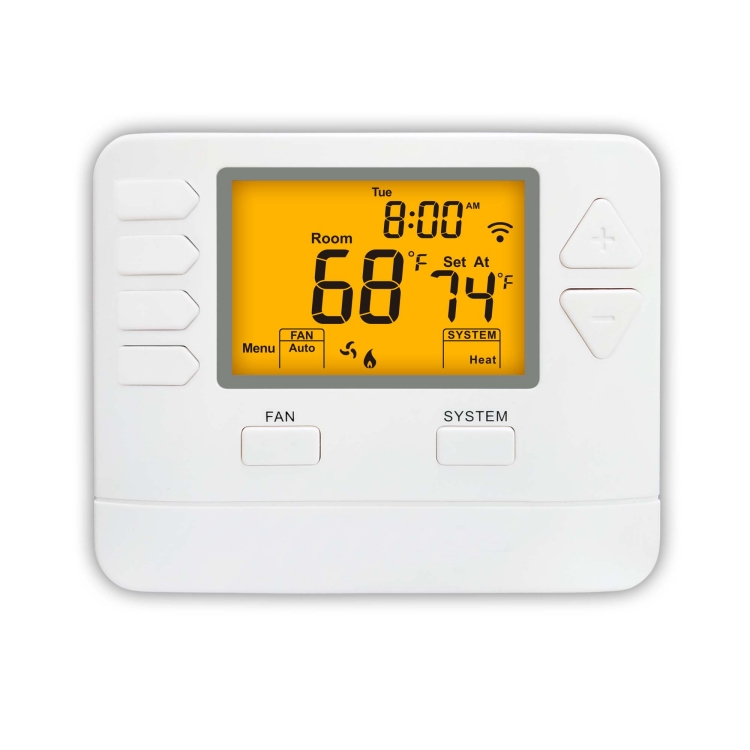
A true 7 Day programmable room thermostat offers the ultimate granular control. It allows users to program a distinct, customized heating and cooling schedule for every single day of the week.
How a 7 Day Programmable Room Thermostat Maximizes Home Comfort and Efficiency
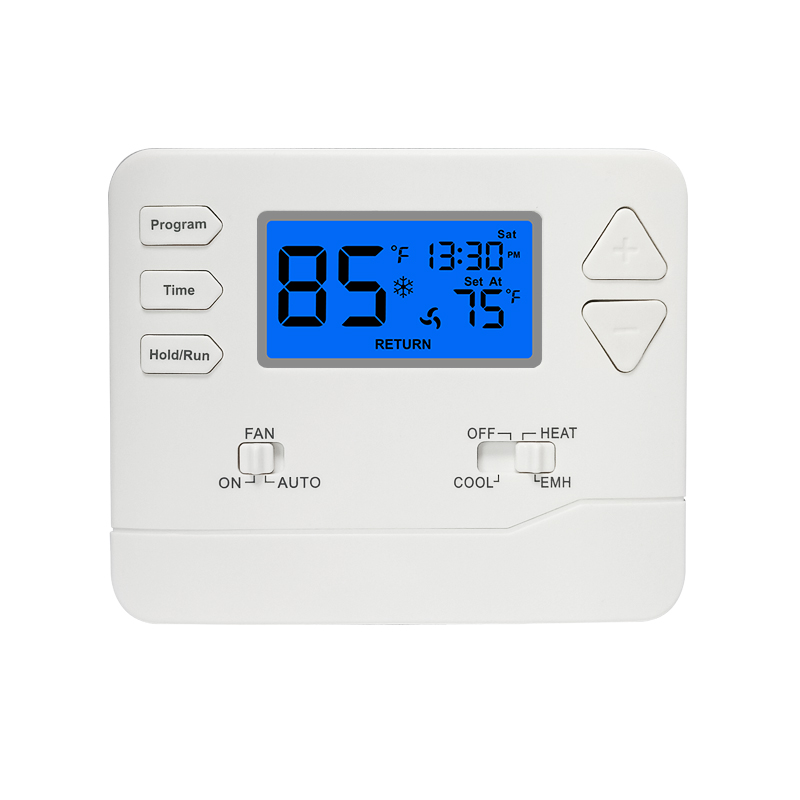
A premium Riseem thermostat is not just a digital display on your wall; it is the ultimate gatekeeper of your indoor environment.
Why a Quality Thermostat Is the Key to a More Comfortable Home
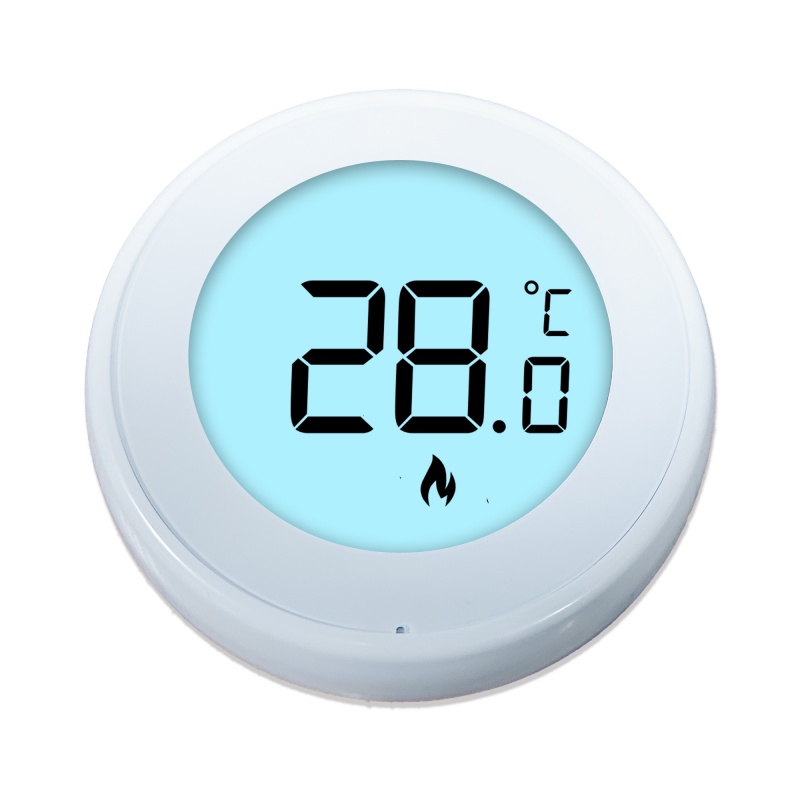
While the TUYA app provides the elegant interface, the physical thermostat remains the brain of the operation. Riseem has engineered a device that looks minimalist on your wall while delivering industrial-grade precision to your HVAC equipment.
Welcome to the Future of Home Automation The Ultimate Guide to TUYA WIFI Smart Thermostats