
what should you keep your thermostat at
author: Lily
2025-05-06
What Should You Keep Your Thermostat At
When it comes to maintaining a comfortable and energy - efficient home, one of the most frequently asked questions is: what temperature should you set your thermostat at? The answer isn't one - size - fits - all, as it depends on various factors. Let's explore this in more detail through a series of questions and answers.
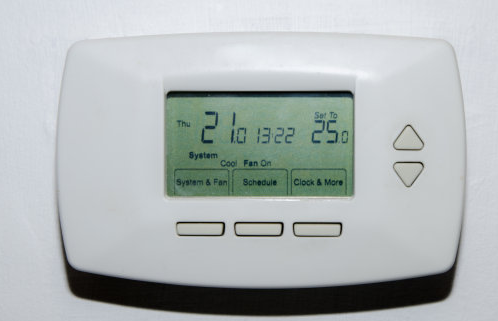
How Can Thermostat Settings Affect Energy Bills?
Q: I'm trying to cut down on my energy costs. Does the thermostat setting really make a big difference?
A: Absolutely. In the winter, setting your thermostat to around 68°F (20°C) during the day when you're at home can significantly reduce heating costs. For every degree you lower the thermostat in winter, you can save about 1% on your heating bill. When you're asleep or away from home, dropping the temperature to 62 - 64°F (16 - 18°C) can lead to even more savings. In the summer, setting the thermostat to 78°F (26°C) helps save on cooling costs. The closer the indoor temperature is to the outdoor temperature, the less work your HVAC system has to do, resulting in lower energy consumption.
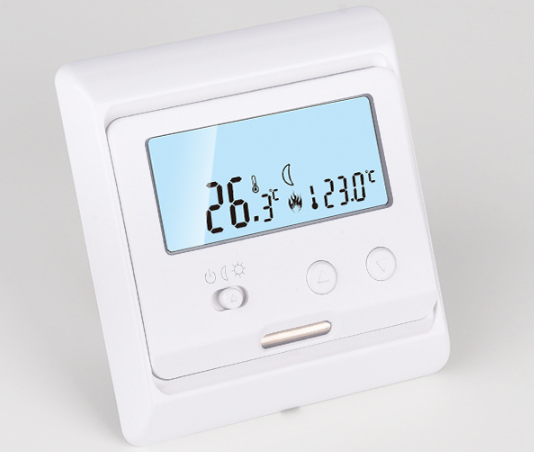
What Temperature is Most Comfortable?
Q: I can't decide whether to set the thermostat higher or lower for comfort. What's a good starting point?
A: Comfort levels vary from person to person. In winter, some people find 70 - 72°F (21 - 22°C) to be a cozy temperature, perfect for relaxing on the couch. However, others might prefer it a bit cooler. In summer, those more sensitive to heat may want to set the thermostat around 75 - 76°F (24 - 25°C). The good news is that your body can acclimate to different temperatures over time. So, you can gradually adjust the thermostat towards a more energy - efficient setting while still feeling comfortable.
How Do Thermostat Settings Impact Health?
Q: I'm worried about how the thermostat setting might affect my family's health. Is there an ideal temperature?
A: Thermostat settings do impact health. In winter, keeping the temperature too low for long periods can dry out nasal passages, increasing the risk of catching a cold or flu. In summer, setting the air - conditioner too cold, especially with large indoor - outdoor temperature differences, can cause headaches, dry skin, and respiratory problems. A balanced temperature, such as 68 - 70°F (20 - 21°C) in winter and 76 - 78°F (24 - 26°C) in summer, helps maintain a healthy indoor environment.
In conclusion, the ideal thermostat setting is a balance between energy savings, personal comfort, and health. By answering these common questions and making adjustments according to your daily routine and the seasons, you can create a home environment that is not only pleasant but also cost - effective and healthy.


where is my thermostat sensor
What happens if WiFi goes down with smart thermostat
Related Article
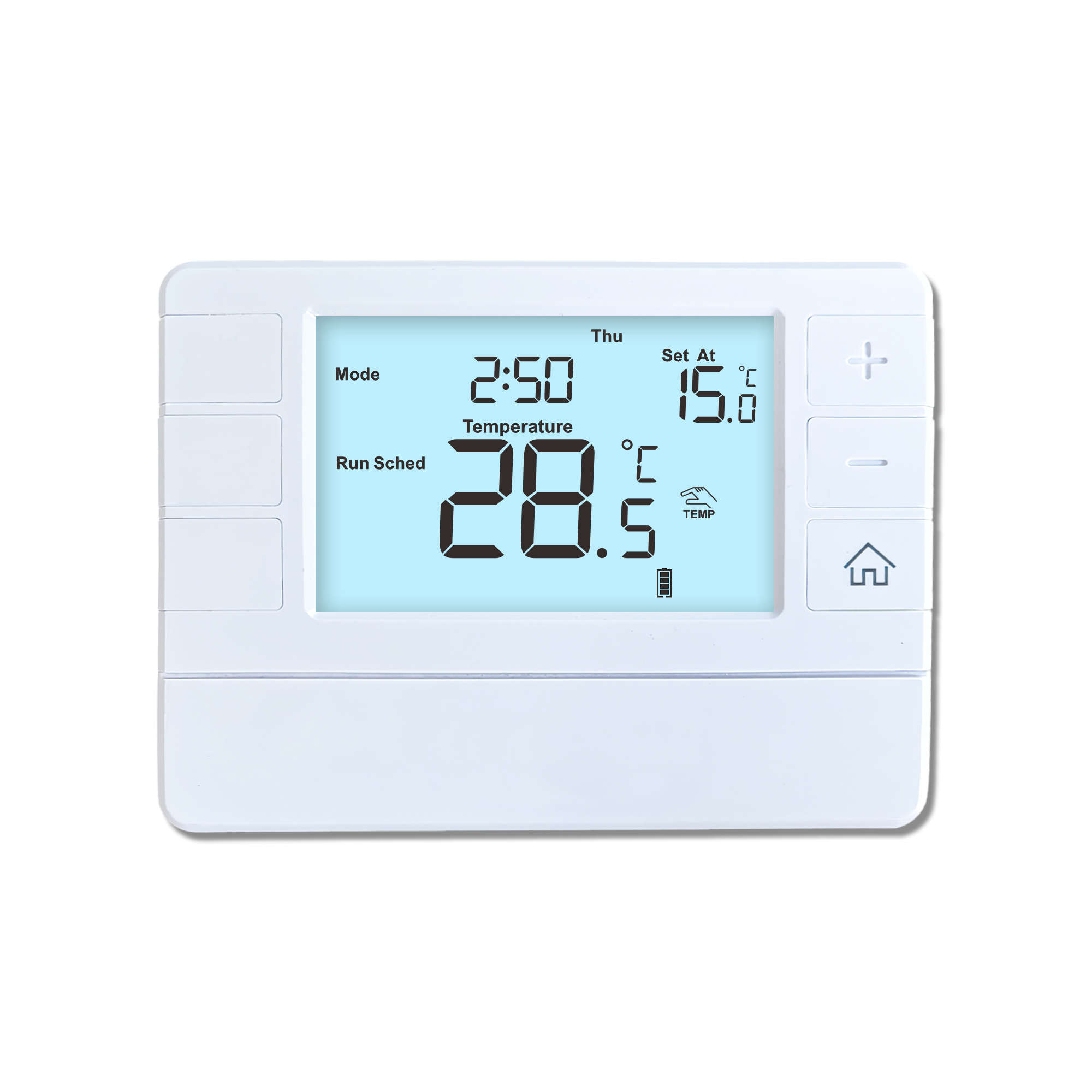
This shift has made traditional, manual thermostats obsolete, paving the way for advanced smart technologies.
Why You Need a Smart Thermostat
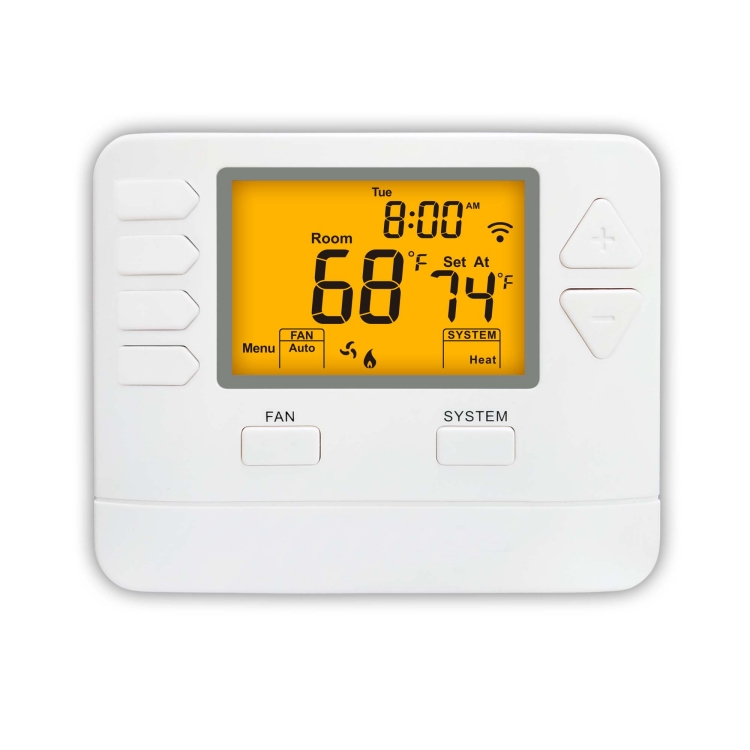
A true 7 Day programmable room thermostat offers the ultimate granular control. It allows users to program a distinct, customized heating and cooling schedule for every single day of the week.
How a 7 Day Programmable Room Thermostat Maximizes Home Comfort and Efficiency
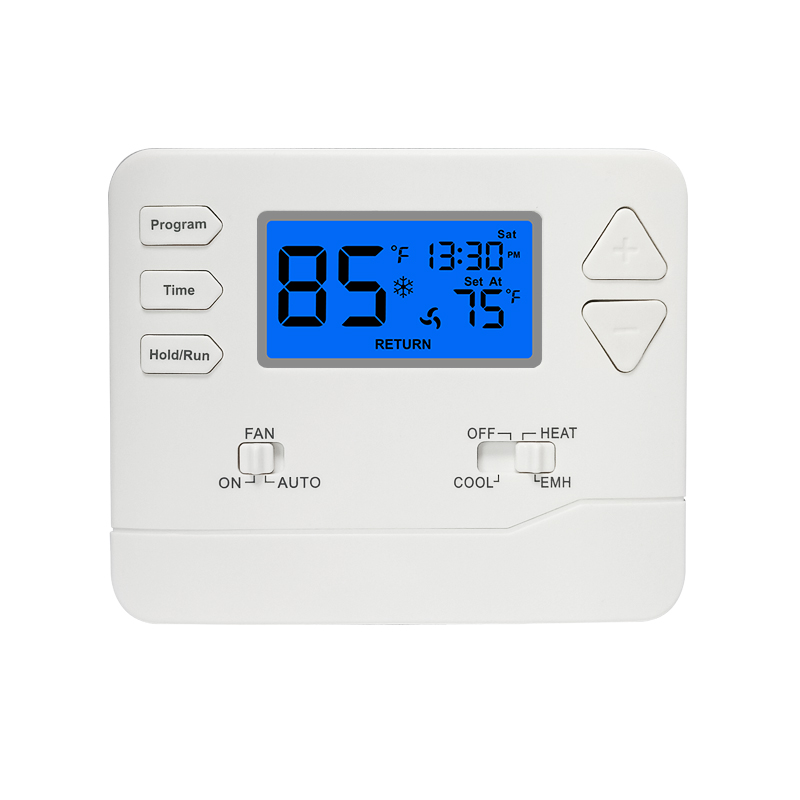
A premium Riseem thermostat is not just a digital display on your wall; it is the ultimate gatekeeper of your indoor environment.
Why a Quality Thermostat Is the Key to a More Comfortable Home
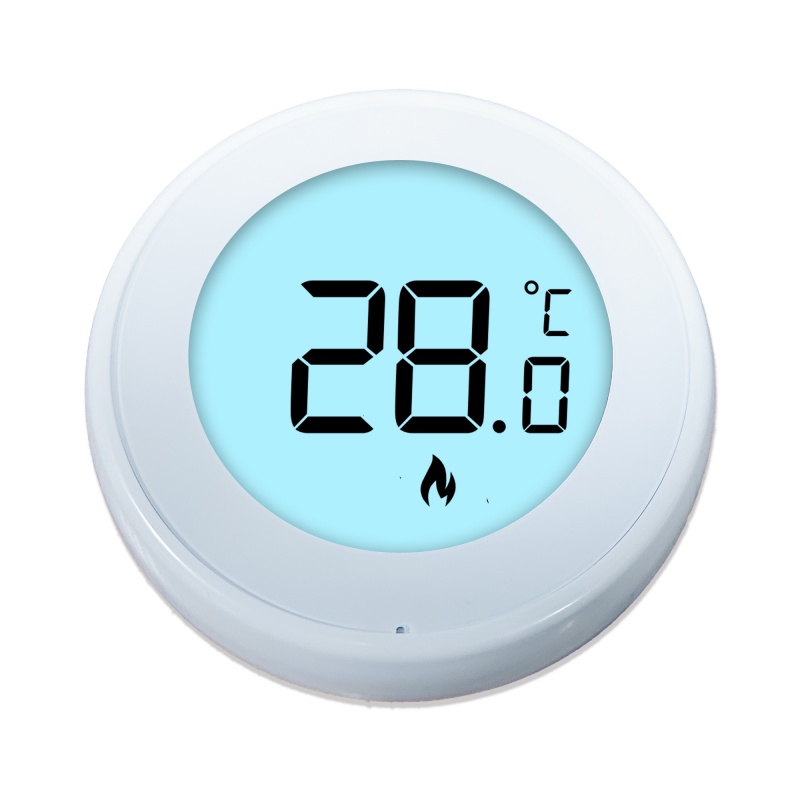
While the TUYA app provides the elegant interface, the physical thermostat remains the brain of the operation. Riseem has engineered a device that looks minimalist on your wall while delivering industrial-grade precision to your HVAC equipment.
Welcome to the Future of Home Automation The Ultimate Guide to TUYA WIFI Smart Thermostats