
what should you set your thermostat at in the summer
author: Lily
2025-04-12
What Should You Set Your Thermostat At in the Summer?


As summer arrives with its sweltering heat, one of the most common questions homeowners face is: what temperature should you set your thermostat at to stay comfortable while also being energy - efficient? This decision impacts both your daily comfort and your monthly energy bills.
Comfort Considerations
When it comes to comfort, the ideal summer thermostat setting can vary from person to person. However, a general range that most people find comfortable is between 74°F and 78°F (23°C - 26°C). Setting the thermostat within this range allows for a cool, refreshing indoor environment without feeling overly cold. For example, at 74°F, the air feels comfortably cool, which is great for those who are sensitive to heat or prefer a more chilled atmosphere. On the other hand, 78°F provides a balance where the air is still pleasantly cool, but not so cold that it might cause discomfort or require additional layers of clothing indoors. This range also helps prevent the "stuffy" feeling that can occur in a hot, un - air - conditioned room.
Energy Efficiency
From an energy - efficiency perspective, setting your thermostat a bit higher can lead to significant savings on your energy bills. For every degree you raise the thermostat above 72°F, you can save about 3% - 5% on your cooling costs. This is because your air conditioning system has to work less hard to maintain a higher temperature. For instance, if you set your thermostat at 78°F instead of 72°F, the air conditioner won't need to run as frequently or for as long to keep the indoor temperature stable. This not only reduces your electricity consumption but also puts less wear and tear on your air conditioning unit, potentially extending its lifespan. Energy - star - rated thermostats, which are often programmable, can be especially helpful. You can program them to raise the temperature when you're away from home during the day and lower it just before you return, ensuring comfort when you're present and energy savings when you're not.
Humidity Factor
Another aspect to consider when setting your summer thermostat is humidity. High humidity levels can make the air feel warmer than it actually is. In a humid climate, setting the thermostat a bit lower, around 74°F - 76°F, might be more comfortable as the air conditioning system can also help dehumidify the air. When the AC cools the air, moisture condenses on the evaporator coils and is drained away. By maintaining a lower temperature within the recommended comfort range, you can effectively combat the sticky, humid feeling. However, in drier climates, you might be able to set the thermostat a bit higher, closer to 78°F, as the lack of humidity means the air doesn't feel as oppressively hot.
Impact on Appliances and Electronics
It's also important to think about how the thermostat setting can affect other appliances and electronics in your home. If your thermostat is set too low, your air conditioner will run for extended periods. This can lead to increased moisture build - up around windows and in areas where the cold air from the vents hits, which may cause damage to wooden furniture, floors, or walls over time. Additionally, overly cold indoor temperatures can potentially affect the performance of some electronics. For example, certain types of batteries in devices like remote controls or rechargeable electronics may discharge more quickly in a very cold environment. By choosing a reasonable thermostat setting within the comfort - energy - efficiency balance, you can avoid these potential issues.
In conclusion, setting your thermostat in the summer requires finding a balance between comfort, energy efficiency, humidity control, and the well - being of your home's appliances and electronics. A setting between 74°F and 78°F is generally a good starting point, but you can adjust it based on your personal preferences, climate, and specific home conditions.


how to test a thermostat
how do you turn off nest thermostat
Related Article
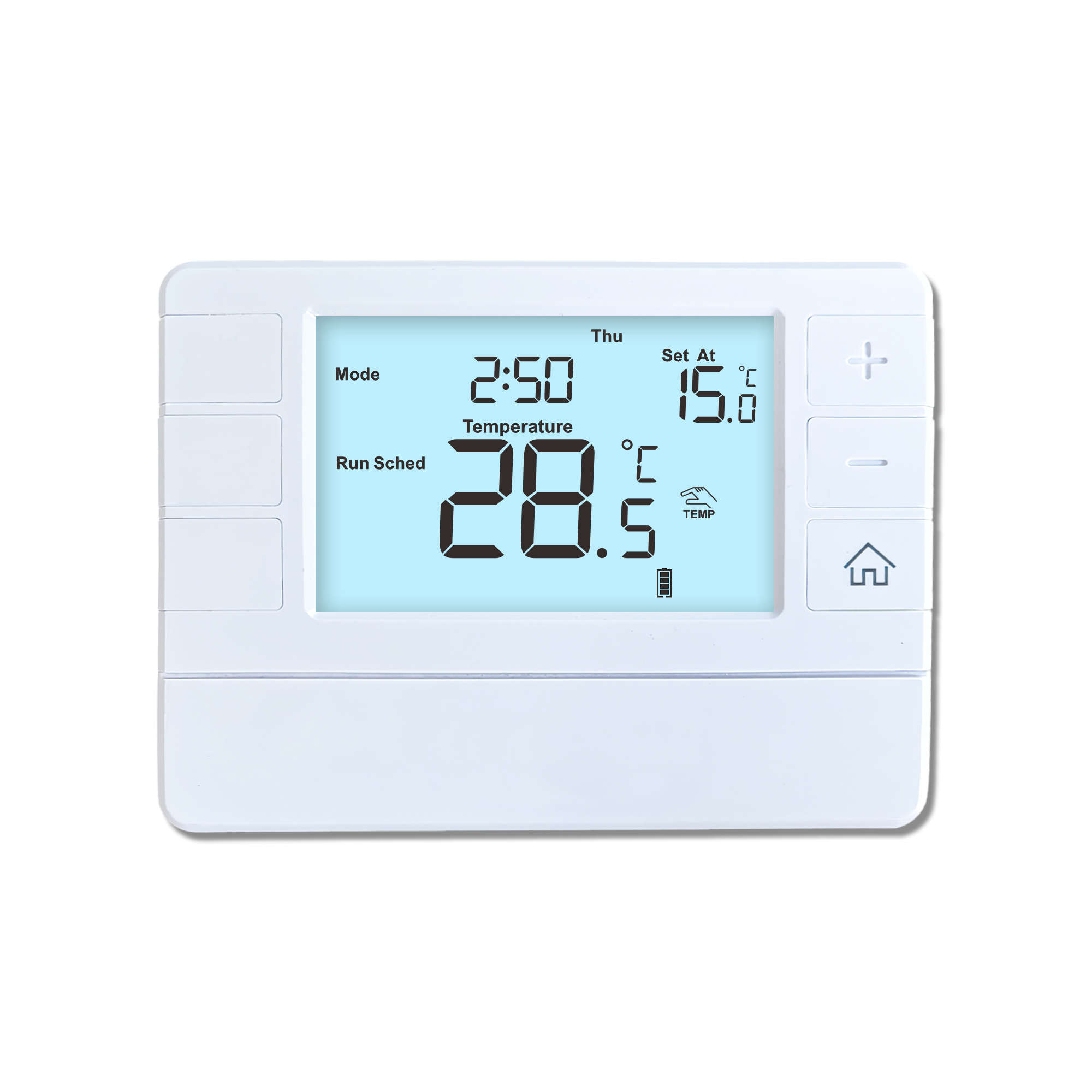
This shift has made traditional, manual thermostats obsolete, paving the way for advanced smart technologies.
Why You Need a Smart Thermostat
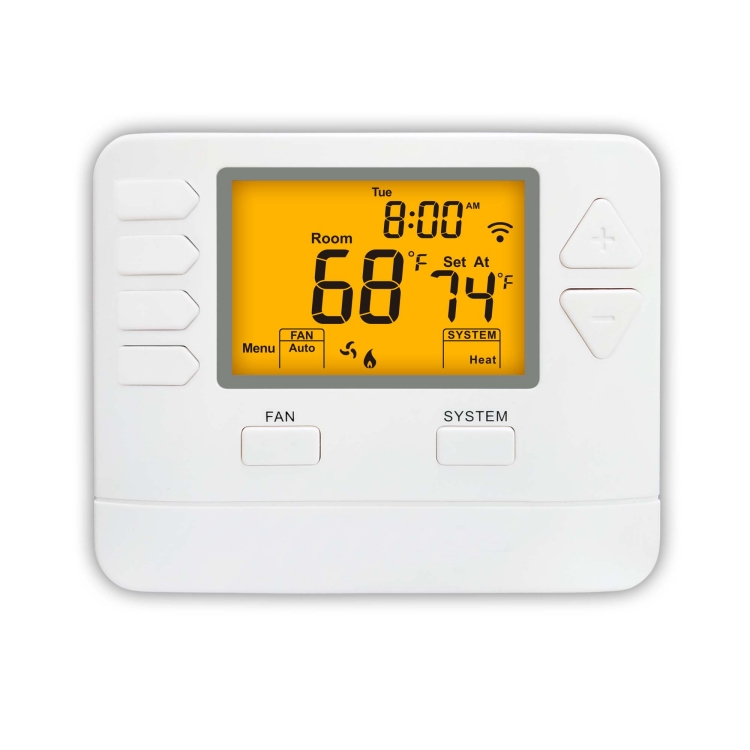
A true 7 Day programmable room thermostat offers the ultimate granular control. It allows users to program a distinct, customized heating and cooling schedule for every single day of the week.
How a 7 Day Programmable Room Thermostat Maximizes Home Comfort and Efficiency
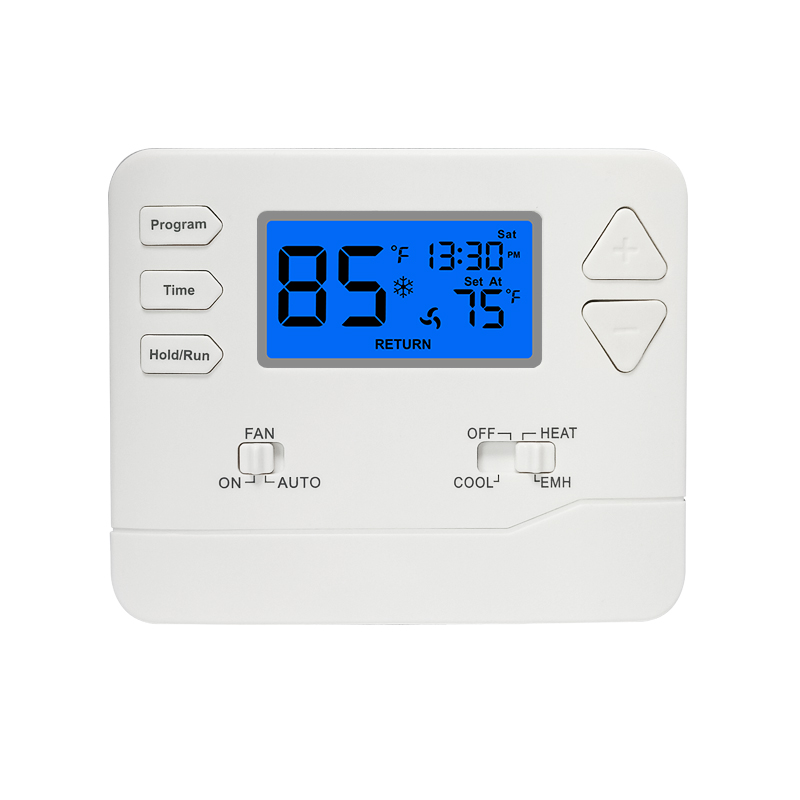
A premium Riseem thermostat is not just a digital display on your wall; it is the ultimate gatekeeper of your indoor environment.
Why a Quality Thermostat Is the Key to a More Comfortable Home
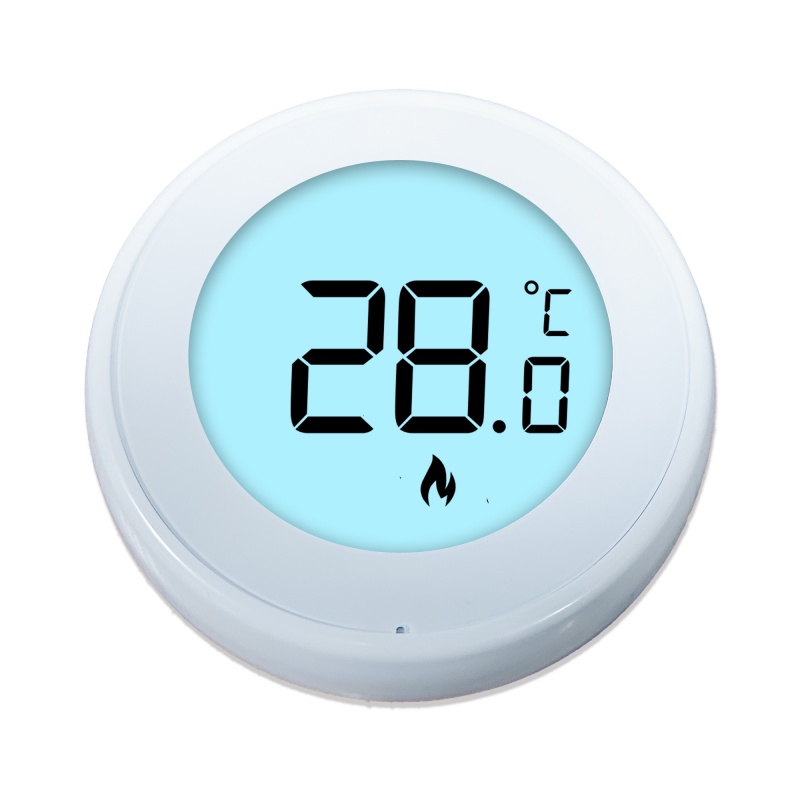
While the TUYA app provides the elegant interface, the physical thermostat remains the brain of the operation. Riseem has engineered a device that looks minimalist on your wall while delivering industrial-grade precision to your HVAC equipment.
Welcome to the Future of Home Automation The Ultimate Guide to TUYA WIFI Smart Thermostats