
what temp does thermostat open
author: Lily
2025-05-10
What Temperature Does a Thermostat Open?
The thermostat is a crucial component in an engine cooling system, playing a pivotal role in regulating the engine's operating temperature. A common question among vehicle owners and enthusiasts is, “What temperature does a thermostat open?” Understanding this can help maintain optimal engine performance, improve fuel efficiency, and extend the engine's lifespan.

The Function of a Thermostat
Before delving into the opening temperature, it's essential to grasp the function of a thermostat. In a cold engine, the thermostat remains closed, preventing coolant from flowing through the radiator. This allows the engine to warm up quickly, reaching its optimal operating temperature faster. Once the engine warms up, the thermostat opens, enabling the coolant to circulate through the radiator. There, the coolant releases heat and cools down before returning to the engine, ensuring that the engine doesn't overheat.
Typical Opening Temperatures
The opening temperature of a thermostat varies depending on the vehicle make, model, and engine type. Generally, most automotive thermostats start to open at around 180°F (82°C) to 200°F (93°C). For example, many modern passenger cars have thermostats that begin to open at approximately 195°F (91°C). However, high-performance or heavy-duty vehicles may have thermostats with higher opening temperatures, sometimes up to 210°F (99°C) or more. These higher opening temperatures are designed to allow the engine to operate at slightly higher temperatures, which can be beneficial for maximizing power output and efficiency in certain applications.
Factors Affecting the Opening Temperature
Several factors can influence the actual opening temperature of a thermostat. One significant factor is the thermostat's design and calibration. Different manufacturers may use slightly different materials and construction techniques, resulting in variations in the temperature at which the thermostat activates. Additionally, environmental conditions can have an impact. In colder climates, a thermostat may take longer to reach its opening temperature due to the initial lower ambient temperature. Engine load also plays a role; when the engine is under heavy load, it generates more heat, and the thermostat may open more quickly or remain open for longer periods to maintain proper cooling.
Importance of the Correct Opening Temperature
Maintaining the correct thermostat opening temperature is vital for the engine's health. If the thermostat opens too early, the engine may not reach its optimal operating temperature. This can lead to poor fuel combustion, reduced fuel economy, and increased emissions. On the other hand, if the thermostat opens too late or fails to open at all, the engine can overheat, causing severe damage to engine components such as the cylinder head, gaskets, and pistons. Regularly checking and replacing the thermostat when necessary ensures that it functions correctly and maintains the ideal engine temperature.
How to Check the Thermostat's Function
There are several ways to check if a thermostat is working properly. One simple method is to monitor the engine temperature gauge while driving. If the gauge shows that the engine is taking an unusually long time to warm up or is running hotter than normal, it could indicate a problem with the thermostat. Another more accurate way is to use an infrared thermometer to measure the temperature of the upper radiator hose. When the thermostat opens, the temperature of the hose should increase significantly. Mechanics may also use diagnostic tools to read the engine's coolant temperature sensor data and check for any error codes related to the thermostat.
In conclusion, the opening temperature of a thermostat is a critical aspect of an engine's cooling system. While the typical range is around 180°F to 200°F, it can vary based on multiple factors. Understanding how the thermostat works, its correct opening temperature, and how to check its functionality can help vehicle owners keep their engines running smoothly and avoid costly repairs down the road.


how to check if thermostat is working
what is the purpose of the jumper wire in thermostat
Related Article
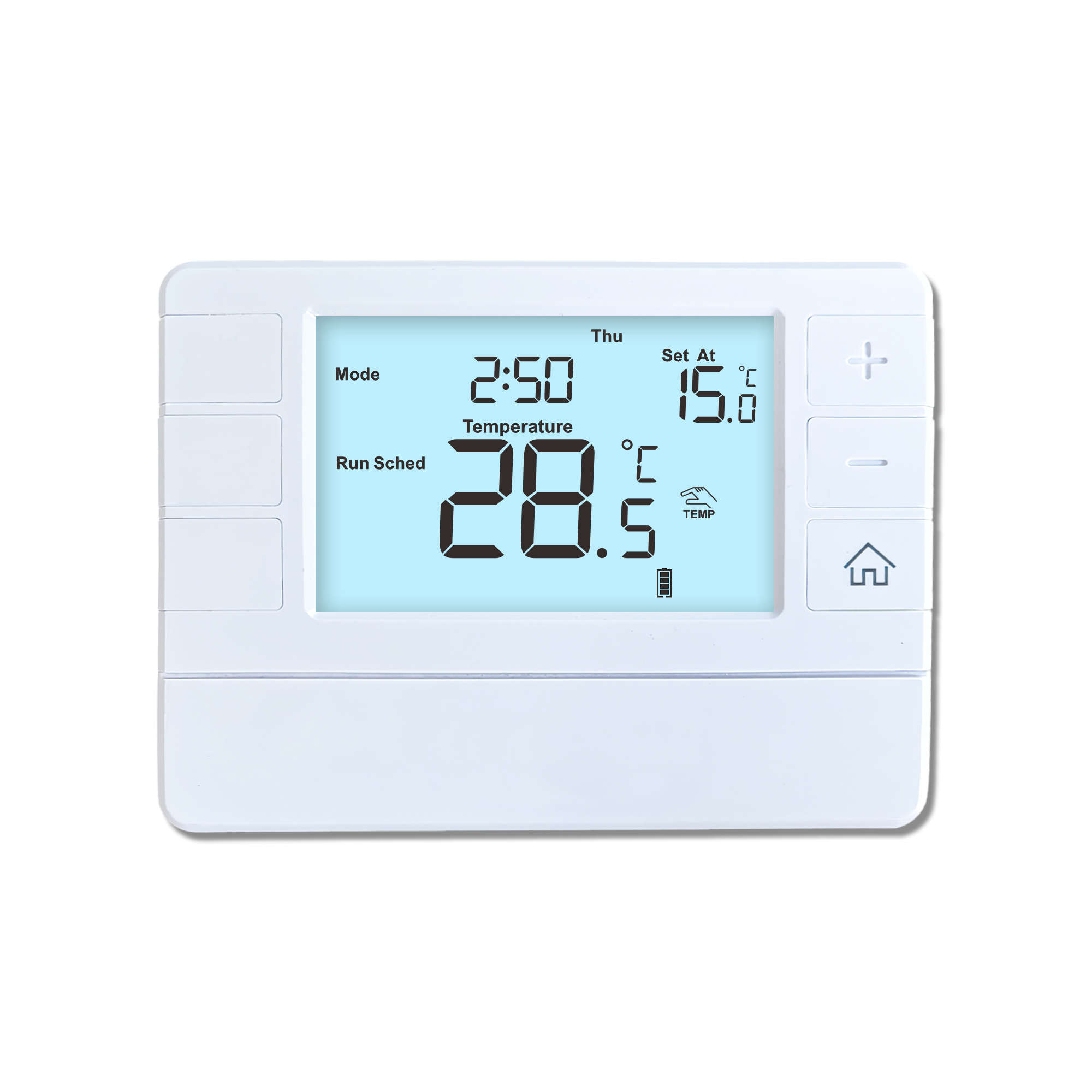
This shift has made traditional, manual thermostats obsolete, paving the way for advanced smart technologies.
Why You Need a Smart Thermostat
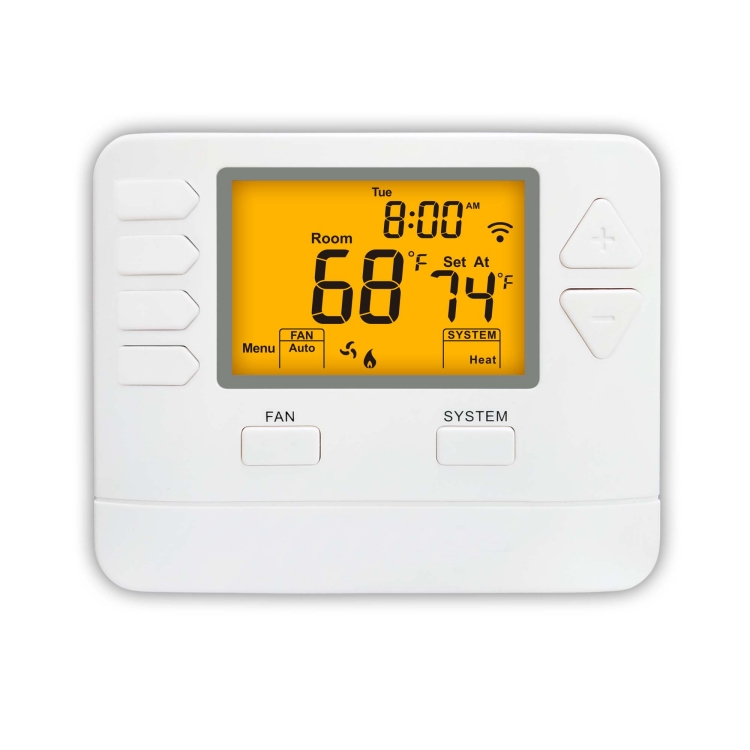
A true 7 Day programmable room thermostat offers the ultimate granular control. It allows users to program a distinct, customized heating and cooling schedule for every single day of the week.
How a 7 Day Programmable Room Thermostat Maximizes Home Comfort and Efficiency
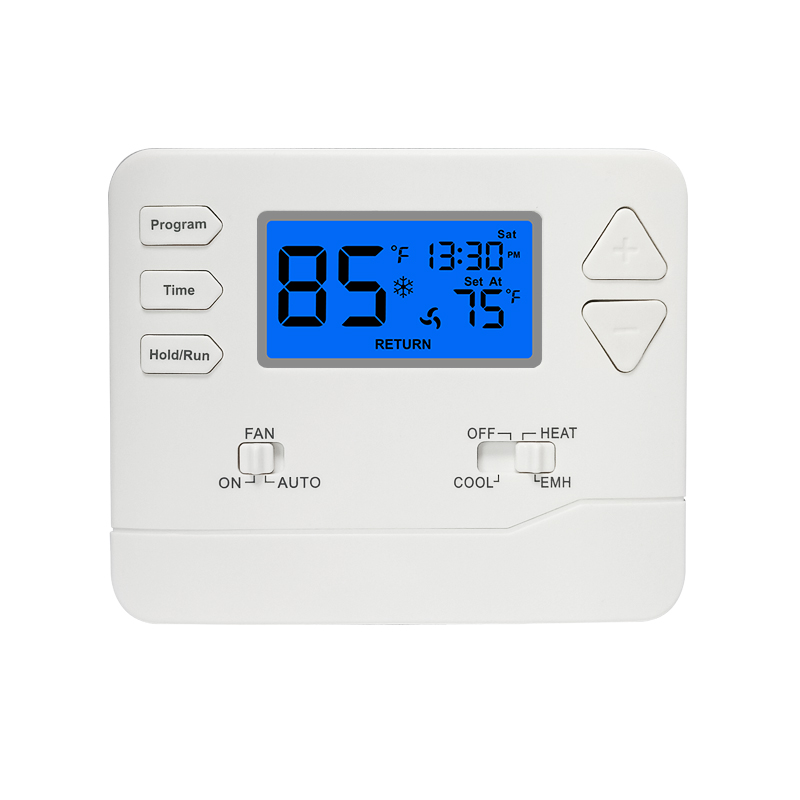
A premium Riseem thermostat is not just a digital display on your wall; it is the ultimate gatekeeper of your indoor environment.
Why a Quality Thermostat Is the Key to a More Comfortable Home
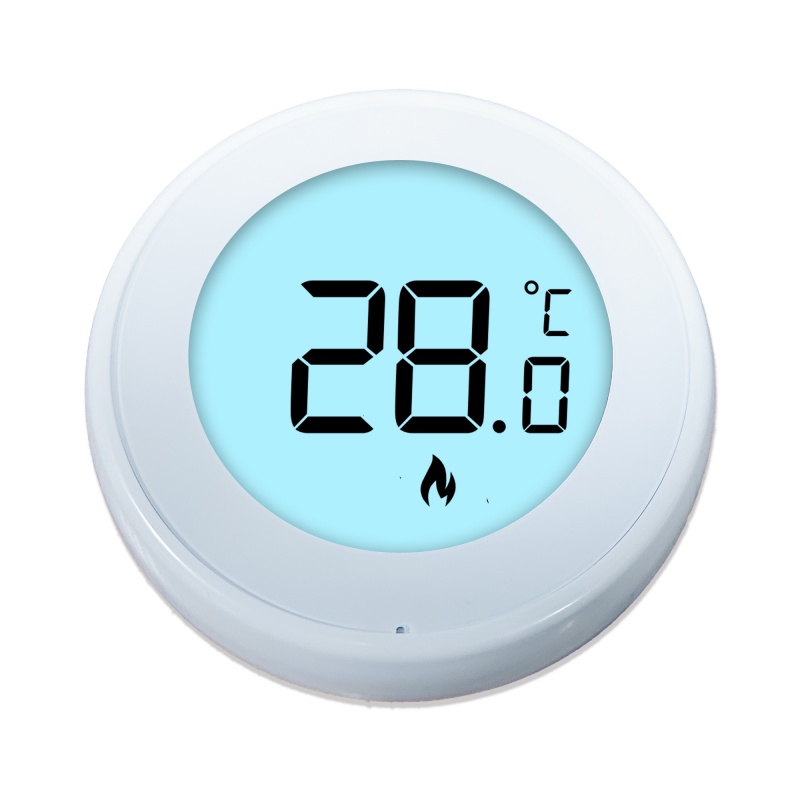
While the TUYA app provides the elegant interface, the physical thermostat remains the brain of the operation. Riseem has engineered a device that looks minimalist on your wall while delivering industrial-grade precision to your HVAC equipment.
Welcome to the Future of Home Automation The Ultimate Guide to TUYA WIFI Smart Thermostats