
what temp to set thermostat
author: Lily
2025-04-24
What Temperature to Set Your Thermostat

The temperature you set on your thermostat can significantly impact your comfort, energy consumption, and utility bills. Determining the ideal thermostat temperature isn't a one-size-fits-all solution; it depends on various factors, including the season, your activities, and personal preferences. Here’s a comprehensive guide to help you find the optimal settings for different situations.
Winter Temperature Settings
During the cold winter months, maintaining a cozy indoor environment is a top priority. For general living areas, the recommended thermostat temperature is around 68°F (20°C) when you're at home and awake. This temperature provides a comfortable balance between warmth and energy efficiency. At this setting, you can comfortably wear light layers of clothing, such as a sweater and long pants, without feeling overly cold or hot.
When you're asleep or away from home for an extended period, it’s advisable to lower the temperature. Setting it to 60 - 65°F (15 - 18°C) can help conserve energy. Your home doesn't need to be as warm when you're not actively using the space, and reducing the temperature by a few degrees can lead to significant energy savings over time. Additionally, using a programmable thermostat allows you to schedule these temperature adjustments automatically, ensuring you never forget to save energy.

Summer Temperature Settings
In the heat of summer, keeping your home cool without racking up high energy bills is key. A thermostat setting of 78°F (26°C) is often recommended for when you're at home. This temperature helps maintain a comfortable indoor climate while minimizing the workload on your air conditioning system. To enhance comfort at this temperature, you can use fans to circulate the air, creating a wind-chill effect that makes you feel cooler.
Similar to winter, when you're away from home or asleep, you can raise the thermostat temperature. Setting it to 82 - 85°F (28 - 29°C) while you're out or sleeping can prevent your AC from running continuously. Although the indoor temperature may feel warmer, it’s a practical way to reduce energy consumption and lower your electricity costs.
Special Considerations
Age and Health
For elderly individuals or those with certain health conditions, maintaining a slightly warmer temperature might be necessary. In winter, keeping the indoor temperature between 70 - 72°F (21 - 22°C) can provide extra comfort and help prevent health issues related to the cold. Similarly, in summer, setting the thermostat a bit lower, around 76°F (24°C), may be more suitable for those who are more sensitive to heat.
Activity Levels
Your level of activity also influences the ideal thermostat temperature. If you're engaging in strenuous activities like exercising at home, you may prefer a cooler setting to avoid overheating. On the other hand, if you're mostly sedentary, such as while reading or working at a desk, the standard recommended temperatures are usually sufficient.
Energy Efficiency and Cost Savings
Setting your thermostat within the recommended ranges can lead to substantial energy savings. For every degree you lower the temperature in winter or raise it in summer, you can save approximately 1 - 3% on your heating or cooling costs. By making these small adjustments and being mindful of your thermostat settings based on different circumstances, you not only contribute to environmental sustainability by reducing energy consumption but also enjoy significant savings on your monthly utility bills.
Finding the right temperature to set your thermostat involves considering multiple factors. By adjusting the settings according to the season, your personal needs, and energy-saving goals, you can create a comfortable living environment while keeping your energy expenses in check.


thermostat blinking cool on
how do i check my thermostat
Related Article
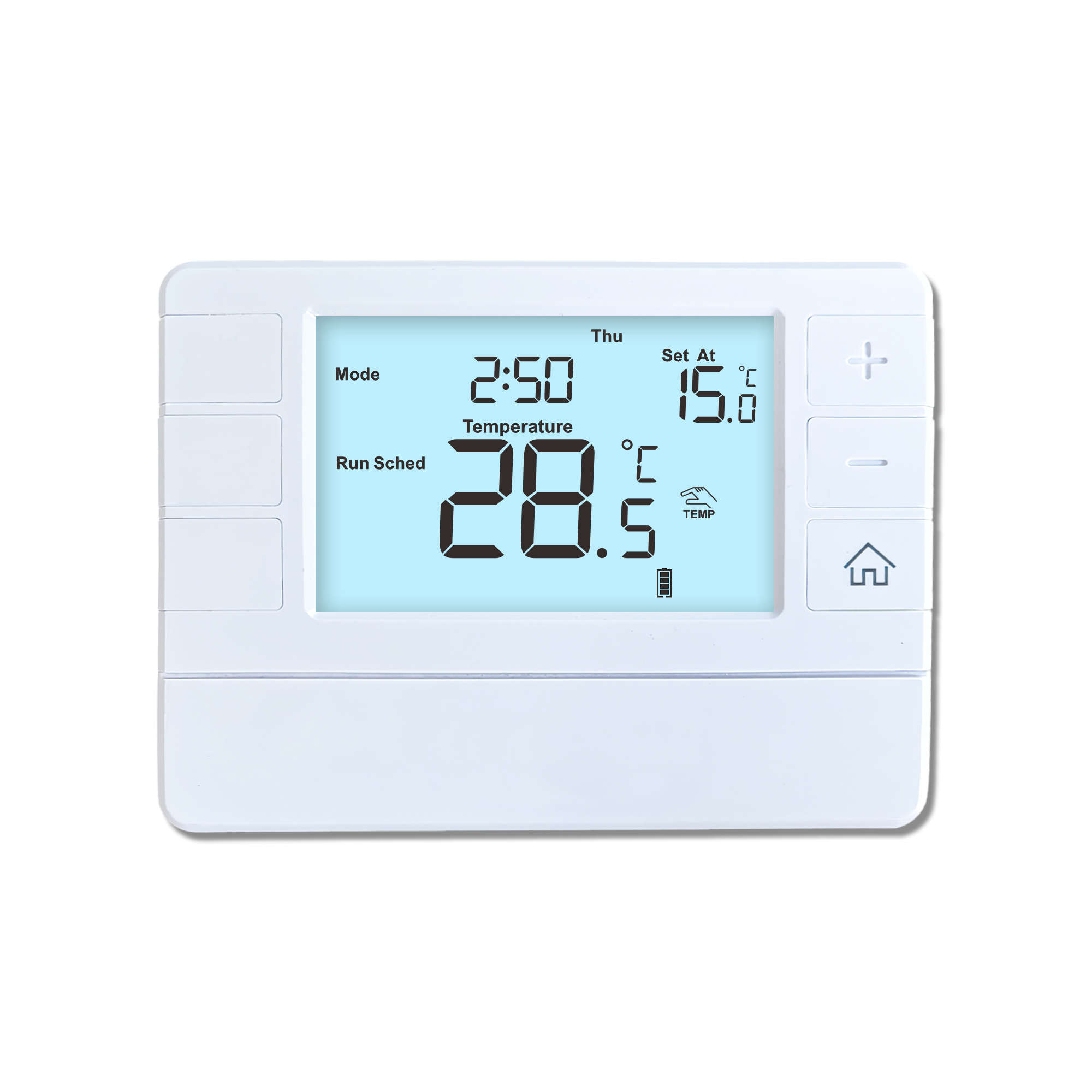
This shift has made traditional, manual thermostats obsolete, paving the way for advanced smart technologies.
Why You Need a Smart Thermostat
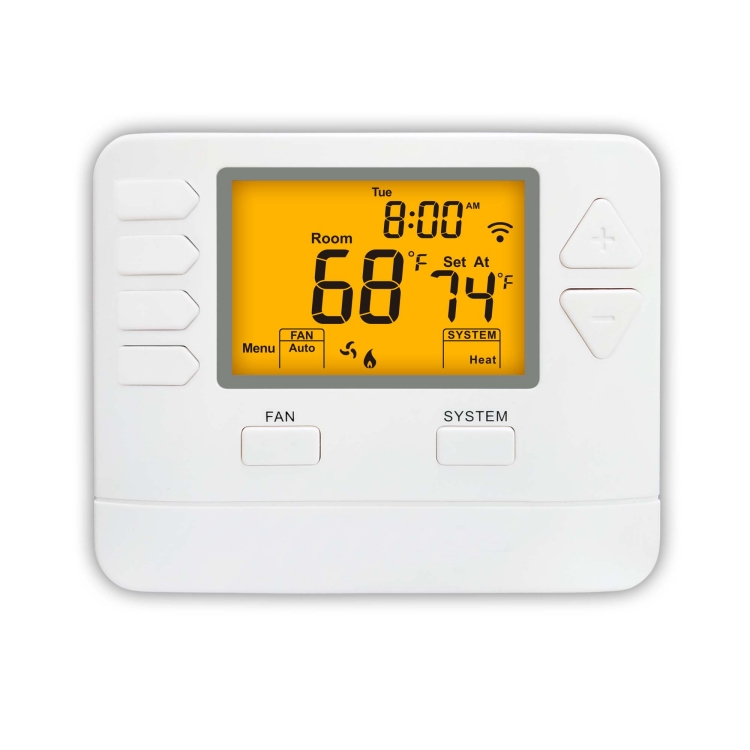
A true 7 Day programmable room thermostat offers the ultimate granular control. It allows users to program a distinct, customized heating and cooling schedule for every single day of the week.
How a 7 Day Programmable Room Thermostat Maximizes Home Comfort and Efficiency
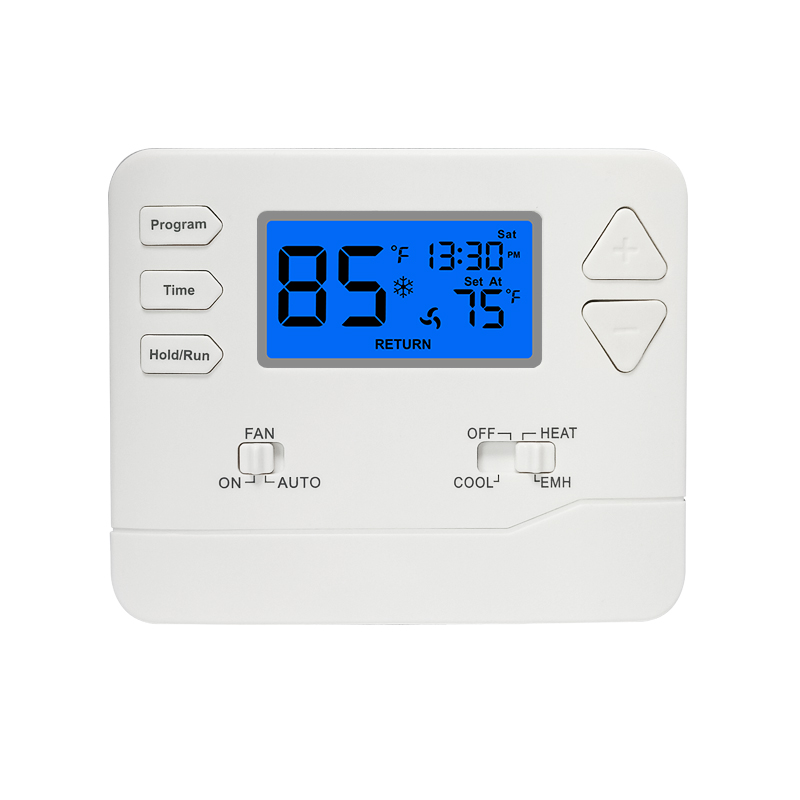
A premium Riseem thermostat is not just a digital display on your wall; it is the ultimate gatekeeper of your indoor environment.
Why a Quality Thermostat Is the Key to a More Comfortable Home
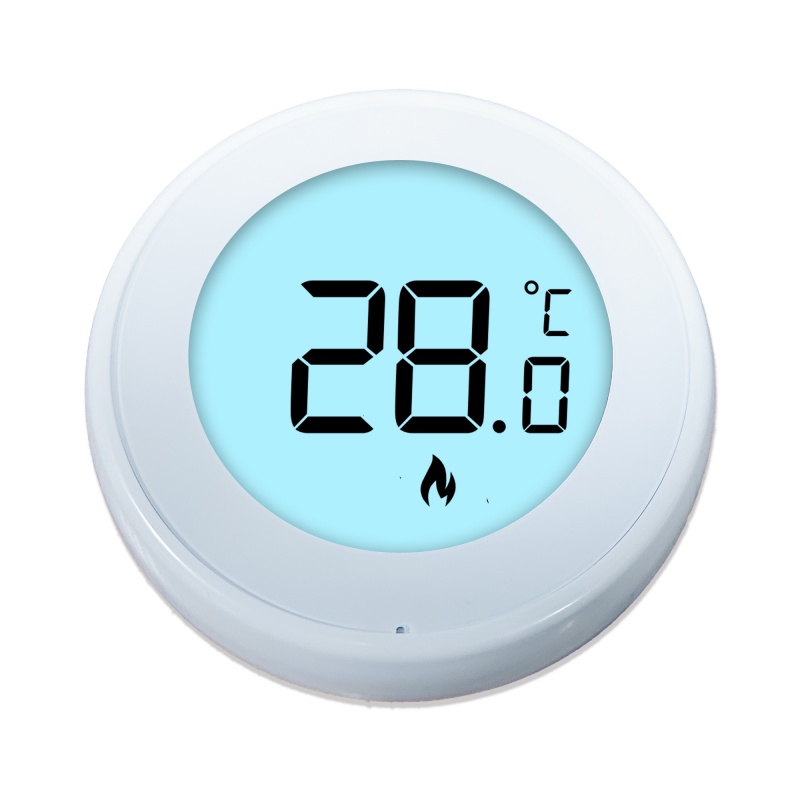
While the TUYA app provides the elegant interface, the physical thermostat remains the brain of the operation. Riseem has engineered a device that looks minimalist on your wall while delivering industrial-grade precision to your HVAC equipment.
Welcome to the Future of Home Automation The Ultimate Guide to TUYA WIFI Smart Thermostats