
What temperature to set home thermostat
author: Bella
2025-07-08
What temperature to set home thermostat
As energy prices soar and extreme weather events become more frequent, households worldwide are reevaluating their thermostat settings to strike a balance between comfort, affordability, and environmental responsibility. Experts from the U.S. Department of Energy (DOE), the World Health Organization (WHO), and leading HVAC companies now offer science-backed guidelines to help consumers make informed decisions.
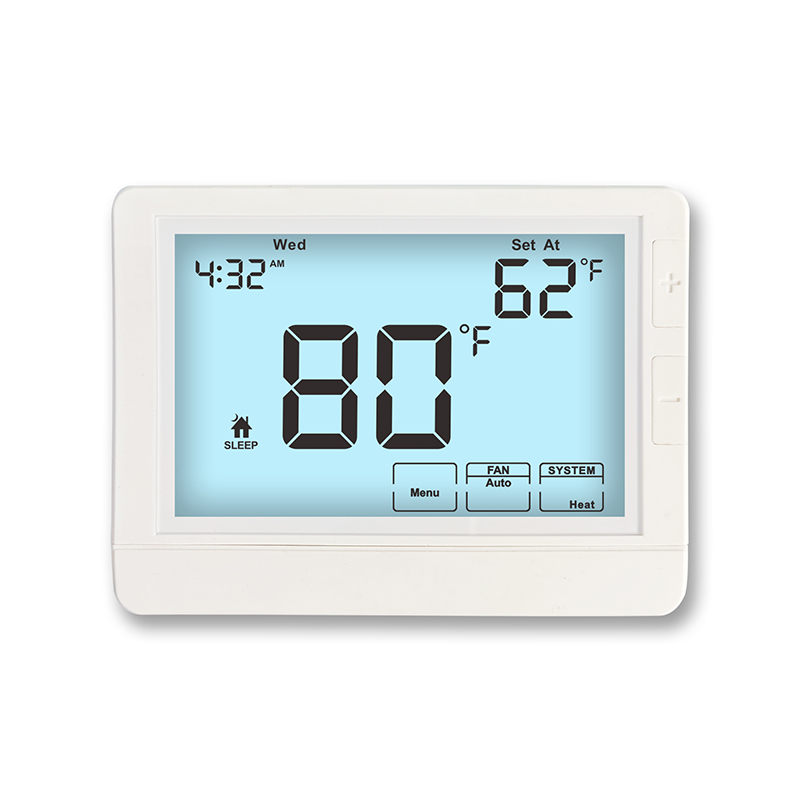
Seasonal Recommendations: Winter vs. Summer
Winter: The DOE suggests setting thermostats to 68°F (20°C) during the day when occupants are awake and lowering it by 7–10°F (4–6°C) at night or when the home is empty. This approach can reduce heating costs by up to 10% annually, according to a 2023 analysis by the American Council for an Energy-Efficient Economy (ACEEE). For every degree below 70°F (21°C) maintained over eight hours, homeowners save roughly 1% on energy bills.
Summer: The WHO recommends keeping indoor temperatures at no lower than 72°F (22°C) to prevent health risks associated with excessive cold, such as respiratory issues. The DOE advises setting air conditioners to 78°F (25.5°C) when occupied and raising the temperature when away to cut cooling costs by up to 15%.
Health Considerations: Striking the Right Balance
Extreme temperatures can pose health risks, particularly for vulnerable groups. The WHO warns that prolonged exposure to temperatures below 64°F (18°C) in winter may exacerbate cardiovascular and respiratory conditions, while summer temperatures above 82°F (28°C) can lead to heatstroke and dehydration.
“Thermostats aren’t just about comfort—they’re public health tools,” said Dr. Maria Neira, WHO Director of Environment, Climate Change, and Health. “During heatwaves, elderly individuals and those with preexisting conditions should keep indoor temperatures below 77°F (25°C) to stay safe.”
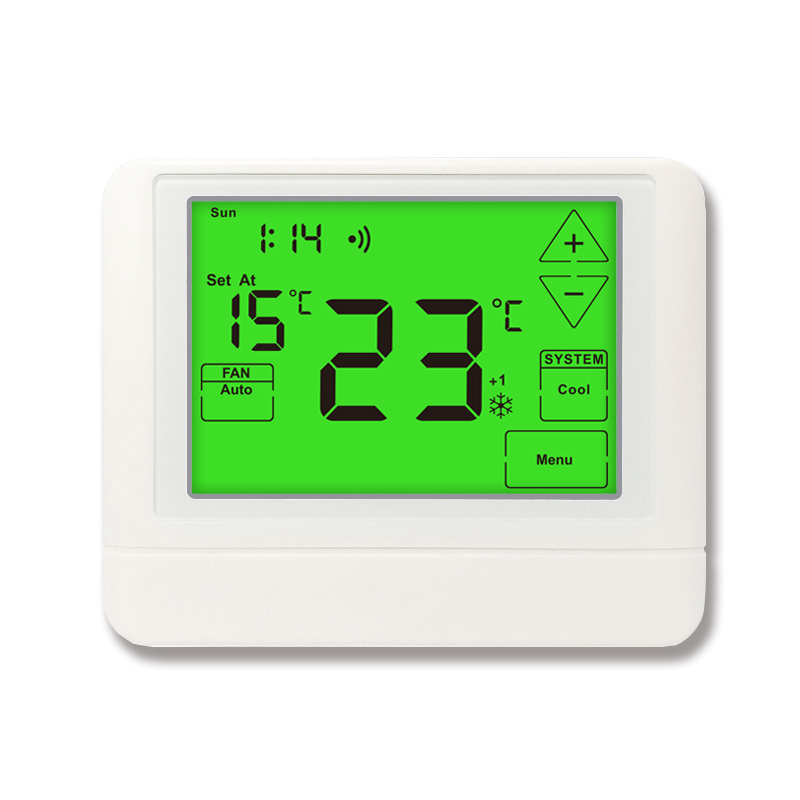
Cost-Saving Tips for Every Household
-
Use Programmable Thermostats: Set back temperatures by 10°F (6°C) for 8+ hours daily to save up to 10% on heating/cooling bills.
-
Seal Leaks: Drafty windows and doors can increase energy use by 25–30%, according to the U.S. Environmental Protection Agency (EPA).
-
Leverage Natural Ventilation: Open windows at night in summer to cool homes naturally, reducing reliance on air conditioning.
-
Upgrade Insulation: Proper insulation in attics and walls can cut heating costs by 10–50%, per the International Energy Agency (IEA).
The Future of Home Climate Control
As climate change intensifies, thermostats will play a pivotal role in grid stability. Utilities in California and Texas are already testing “demand response” programs, where smart thermostats temporarily adjust settings during peak energy demand to prevent blackouts.
“The thermostat is no longer a passive device—it’s an active participant in the energy transition,” said Dr. Rajit Gadh, Director of the UCLA Smart Grid Energy Research Center. “By 2030, most homes will have AI-powered systems that optimize comfort, cost, and carbon emissions in real time.”
Conclusion
Finding the perfect thermostat setting requires weighing health, budget, and environmental priorities. While 68°F (20°C) in winter and 78°F (25.5°C) in summer serve as practical benchmarks, advancements in smart technology and renewable energy integration are making it easier than ever to stay comfortable without breaking the bank—or the planet.


LCD Room Thermostats
Plug in Room Thermostats
Related Article
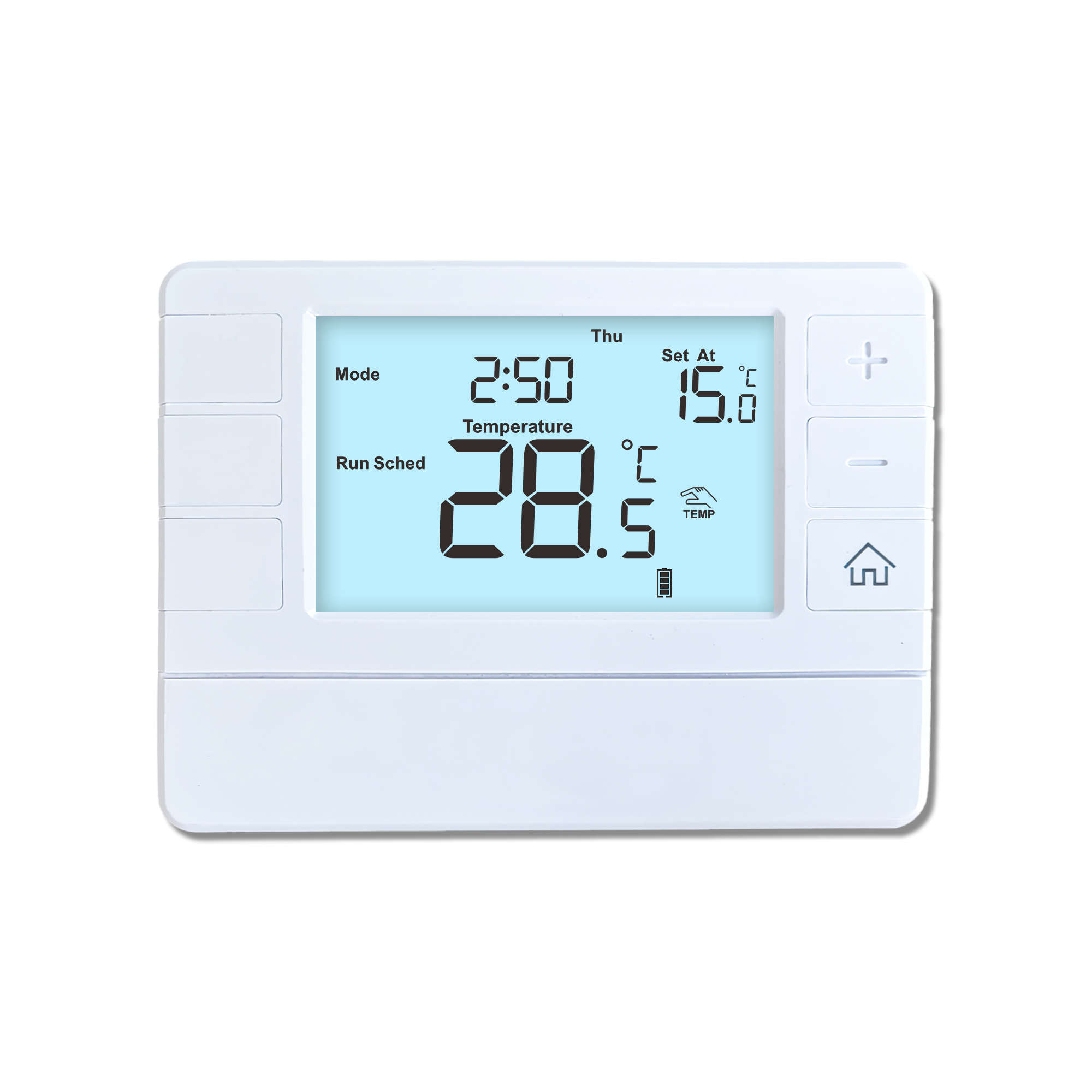
This shift has made traditional, manual thermostats obsolete, paving the way for advanced smart technologies.
Why You Need a Smart Thermostat
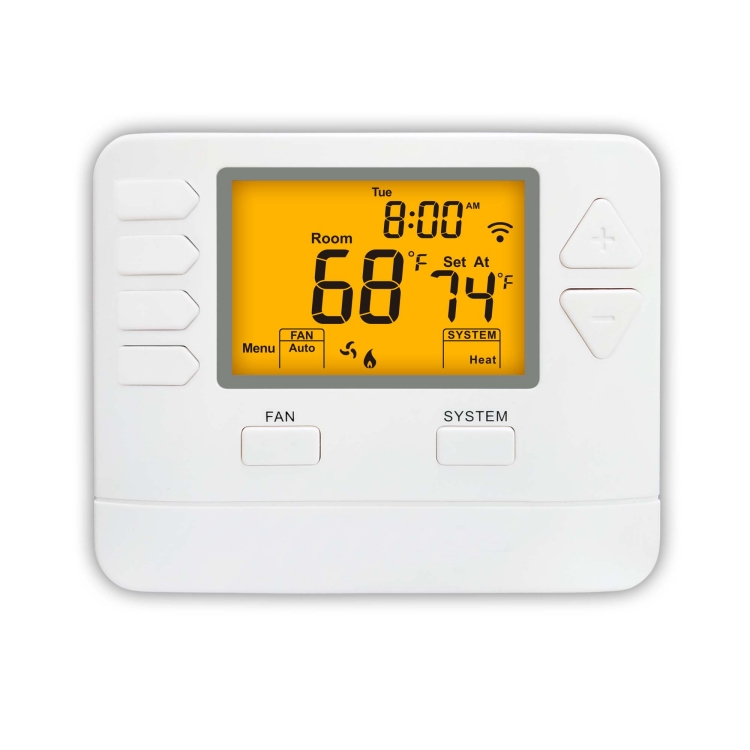
A true 7 Day programmable room thermostat offers the ultimate granular control. It allows users to program a distinct, customized heating and cooling schedule for every single day of the week.
How a 7 Day Programmable Room Thermostat Maximizes Home Comfort and Efficiency
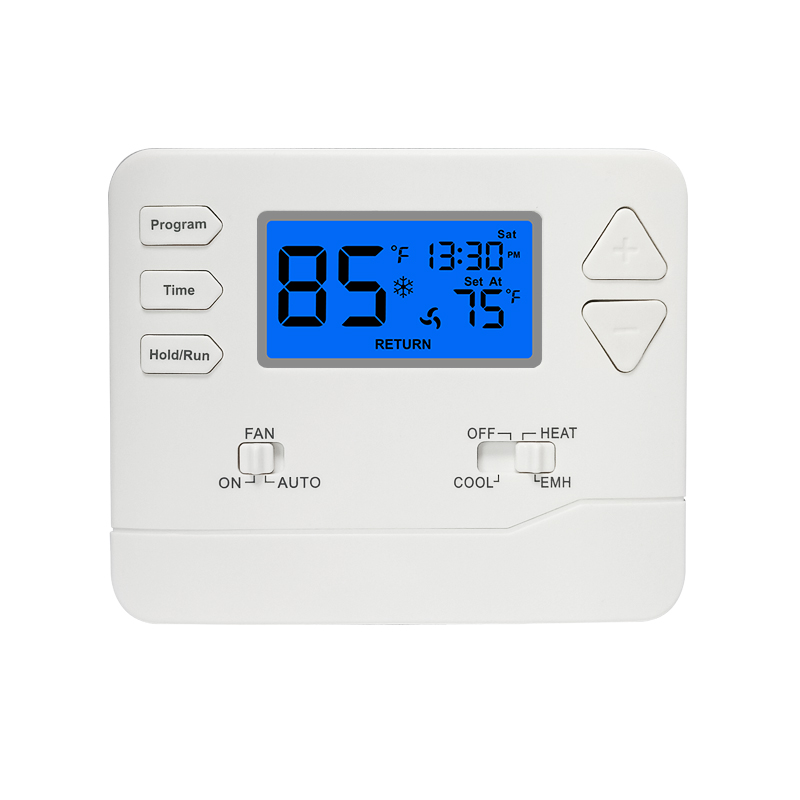
A premium Riseem thermostat is not just a digital display on your wall; it is the ultimate gatekeeper of your indoor environment.
Why a Quality Thermostat Is the Key to a More Comfortable Home
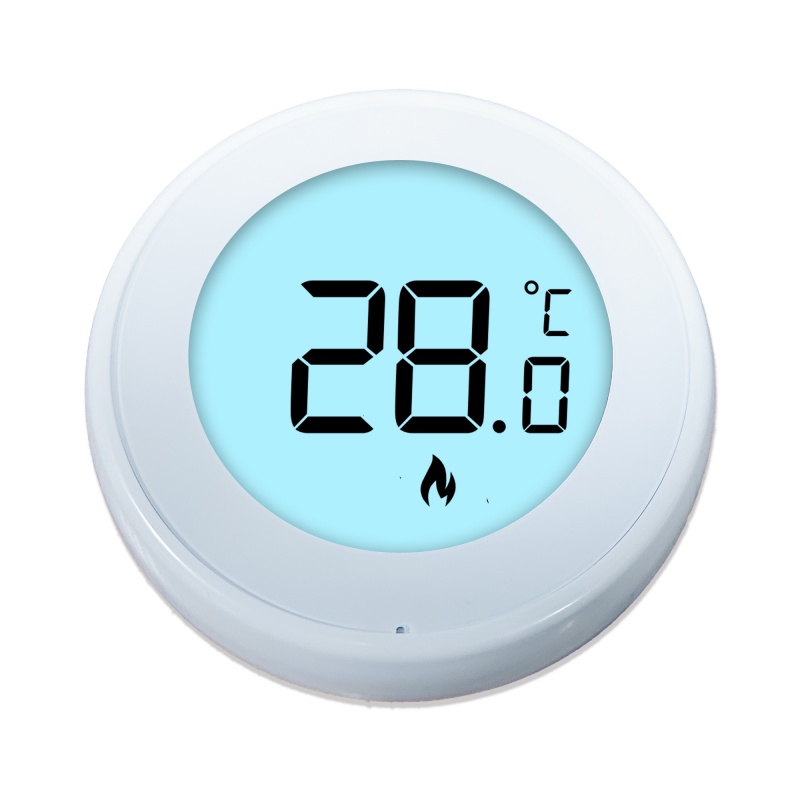
While the TUYA app provides the elegant interface, the physical thermostat remains the brain of the operation. Riseem has engineered a device that looks minimalist on your wall while delivering industrial-grade precision to your HVAC equipment.
Welcome to the Future of Home Automation The Ultimate Guide to TUYA WIFI Smart Thermostats