
where is my thermostat sensor
author: Lily
2025-05-06
Where is My Thermostat Sensor?
If you've ever wondered about the inner workings of your thermostat and where exactly its sensor is located, you're not alone. Understanding the location of the thermostat sensor is crucial as it directly impacts how accurately your heating and cooling system maintains the desired temperature in your home. Let's explore this through a series of questions and answers.

What is a Thermostat Sensor and Why Does Its Location Matter?
Q: First of all, what even is a thermostat sensor?
A: A thermostat sensor is a component in your thermostat that measures the ambient air temperature in the room. Its readings are used by the thermostat to determine whether to turn on or off your heating or cooling system. The location of the sensor matters because it needs to accurately represent the temperature of the living space. If it's in a place that doesn't reflect the average room temperature, your thermostat may make incorrect decisions, leading to either over - or under - heating or cooling.
Location in a Traditional Wall - Mounted Thermostat
Q: I have a regular wall - mounted thermostat. Where is the sensor usually located in it?
A: In most traditional wall - mounted thermostats, the sensor is built right into the thermostat housing. It's typically placed near the front or in the middle of the thermostat unit. The reason for this is that when the thermostat is mounted on a wall at an appropriate height (usually around 5 feet from the floor), the sensor can then measure the air temperature at a level that is representative of the overall room temperature. This placement allows it to get an accurate reading of the air that circulates in the living area where people spend most of their time.

Location in Smart Thermostats
Q: I recently installed a smart thermostat. Do they have sensors in different places?
A: Smart thermostats often have sensors in the main thermostat unit, similar to traditional ones. However, many smart thermostats also come with additional features. Some models can be paired with separate remote sensors. These remote sensors can be placed in other areas of the house, such as bedrooms or rooms that tend to be warmer or cooler than the rest. For example, if you have a room that gets a lot of sunlight and is always warmer, you can place a remote sensor there. The smart thermostat can then take readings from multiple sensors and average them out or prioritize certain areas based on your settings, providing more precise temperature control throughout the home.
Location in HVAC Systems
Q: What about the sensors in the actual HVAC system? Are they different?
A: HVAC systems have their own sensors as well. In the furnace or air - handler unit, there are sensors that monitor the temperature of the air being heated or cooled. These sensors are located within the ductwork near the heat exchanger (in a furnace) or the evaporator coil (in an air - conditioner). They help ensure that the system operates safely and efficiently. For instance, if the air temperature leaving the heat exchanger gets too high, the furnace's safety sensors can shut down the system to prevent overheating. In the outdoor condenser unit of an air - conditioner, there are also sensors that monitor refrigerant temperatures and pressures, which are crucial for the proper functioning of the cooling cycle.
In conclusion, the location of the thermostat sensor varies depending on the type of thermostat and the HVAC system. Knowing where these sensors are can help you better understand how your home's temperature is regulated and troubleshoot any issues you may have with inconsistent temperatures.


hotel thermostat override
what should you keep your thermostat at
Related Article
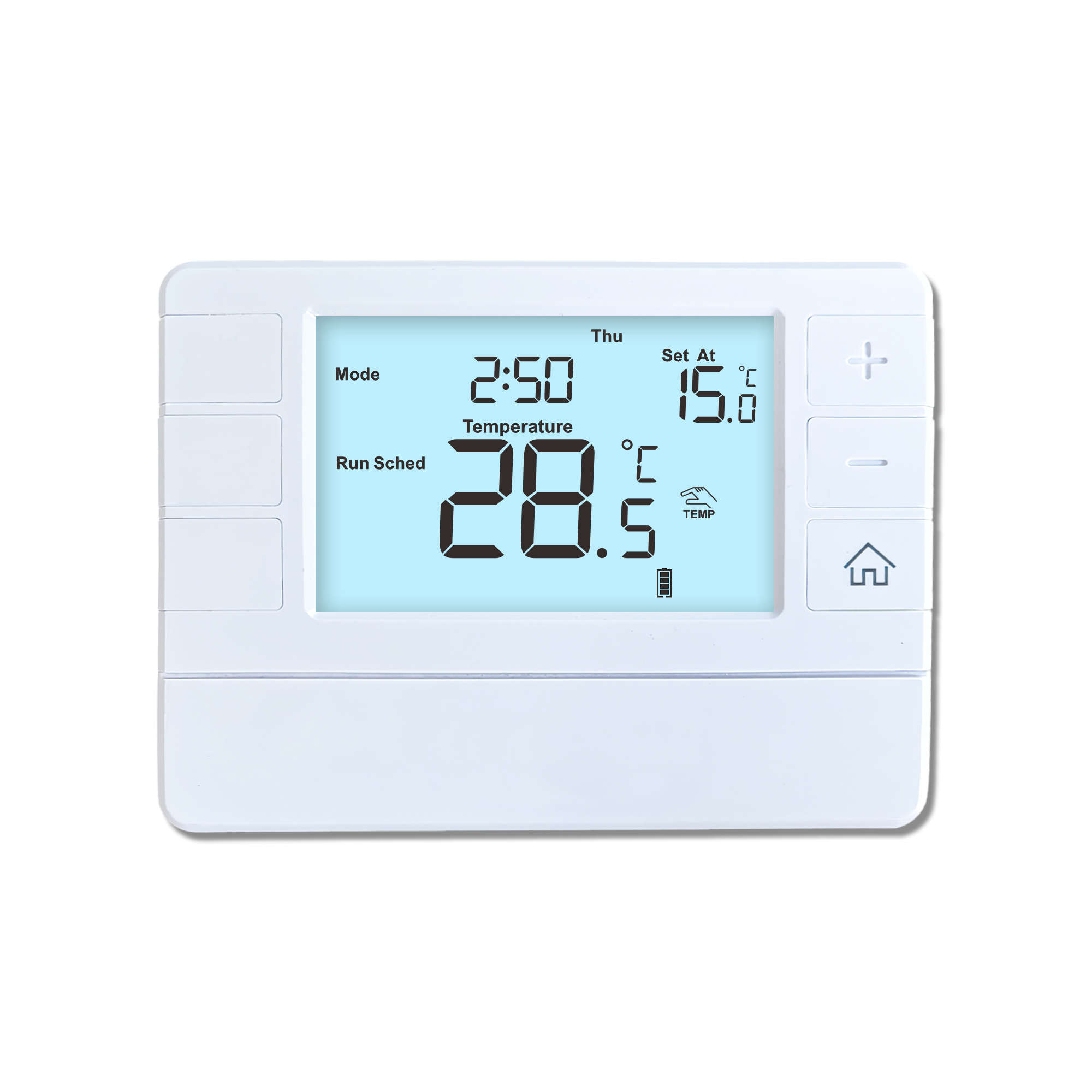
This shift has made traditional, manual thermostats obsolete, paving the way for advanced smart technologies.
Why You Need a Smart Thermostat
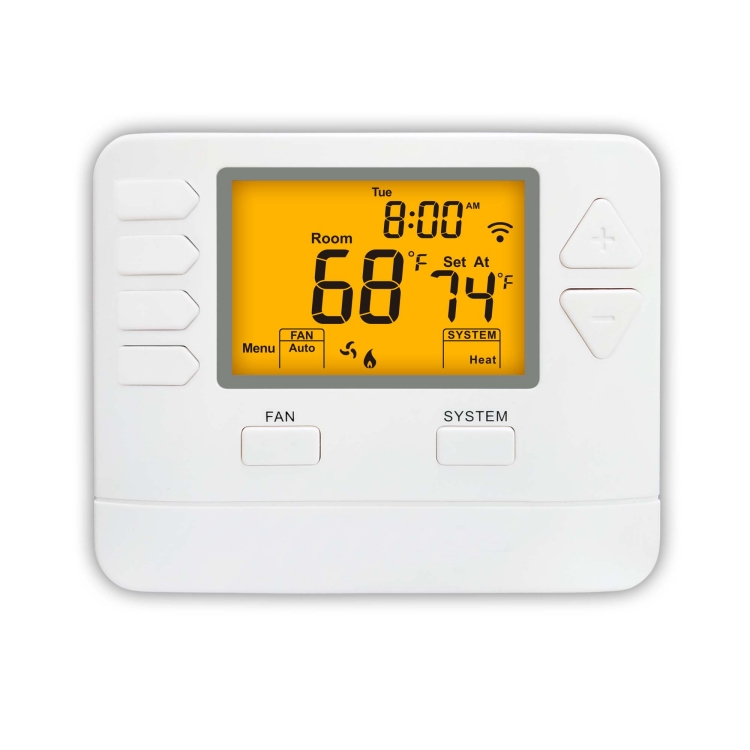
A true 7 Day programmable room thermostat offers the ultimate granular control. It allows users to program a distinct, customized heating and cooling schedule for every single day of the week.
How a 7 Day Programmable Room Thermostat Maximizes Home Comfort and Efficiency
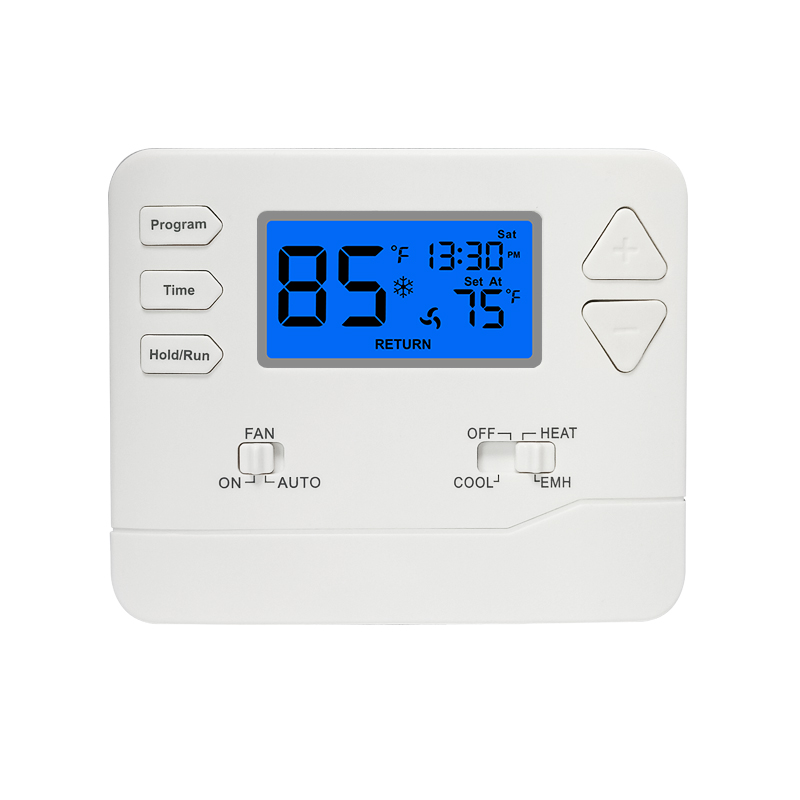
A premium Riseem thermostat is not just a digital display on your wall; it is the ultimate gatekeeper of your indoor environment.
Why a Quality Thermostat Is the Key to a More Comfortable Home
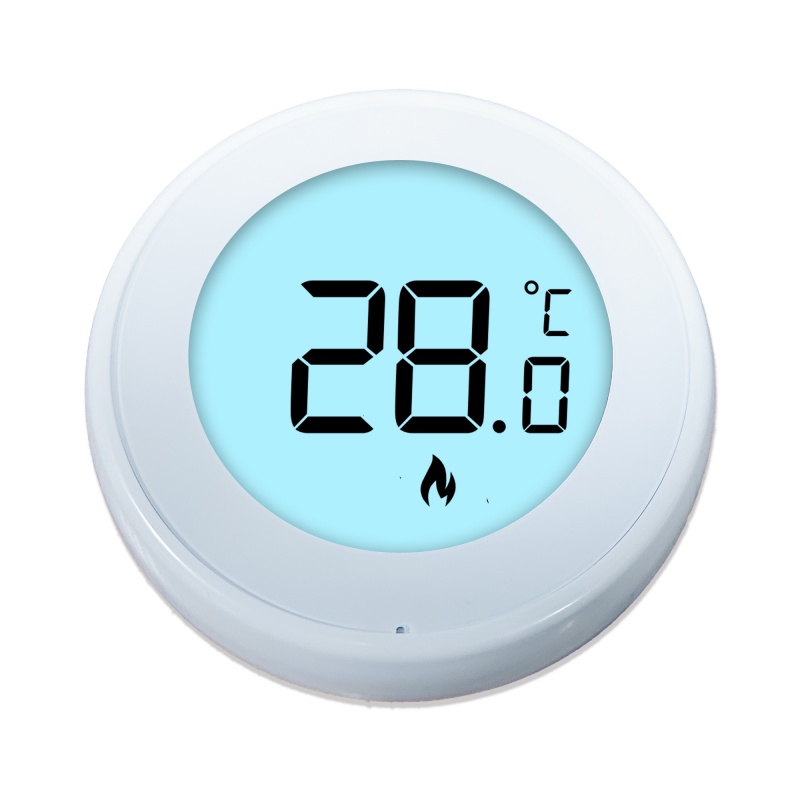
While the TUYA app provides the elegant interface, the physical thermostat remains the brain of the operation. Riseem has engineered a device that looks minimalist on your wall while delivering industrial-grade precision to your HVAC equipment.
Welcome to the Future of Home Automation The Ultimate Guide to TUYA WIFI Smart Thermostats