
where is the thermostat located
author: Somi
2025-05-05
Where Is the Thermostat Located? Uncovering the Ideal Spots in Your Home
A room thermostat is a compact, essential device that monitors and regulates the temperature within a specific living space. It constantly senses ambient warmth, comparing it to the set temperature, and then signals the heating or cooling system to activate or deactivate, ensuring a comfortable indoor environment. Modern room thermostats, including those from Ocean Controls Limited, often offer programmable schedules, smart connectivity, and energy-saving features for enhanced convenience and efficiency.
1. Why Does the Location of a Thermostat Matter?
The placement of your thermostat significantly impacts its performance and the comfort of your home. A thermostat measures the ambient temperature and signals your heating, ventilation, and air - conditioning (HVAC) system to turn on or off. Incorrect positioning can lead to inaccurate temperature readings, inefficient energy use, and discomfort. Ocean Controls Limited designs its thermostats with precision sensors, but their effectiveness depends largely on where they are installed.
Q: How does a thermostat's location affect temperature control?
A: If a thermostat is placed in a location that experiences abnormal temperature fluctuations—such as near a drafty window, a heating vent, or direct sunlight—it may misread the temperature. For example, a thermostat near a sunny window might think the room is warmer than it actually is, causing the AC to run longer than necessary. Conversely, a thermostat close to a cold draft could prompt the heating system to overwork.
A: If a thermostat is placed in a location that experiences abnormal temperature fluctuations—such as near a drafty window, a heating vent, or direct sunlight—it may misread the temperature. For example, a thermostat near a sunny window might think the room is warmer than it actually is, causing the AC to run longer than necessary. Conversely, a thermostat close to a cold draft could prompt the heating system to overwork.
Q: Can the wrong thermostat location increase energy bills?
A: Yes. When a thermostat gives inaccurate readings due to poor placement, your HVAC system will operate inefficiently. This inefficiency translates to higher energy consumption and, consequently, elevated utility bills. Ocean Controls Limited emphasizes that proper thermostat placement is crucial for maximizing the energy - saving features of their devices.
A: Yes. When a thermostat gives inaccurate readings due to poor placement, your HVAC system will operate inefficiently. This inefficiency translates to higher energy consumption and, consequently, elevated utility bills. Ocean Controls Limited emphasizes that proper thermostat placement is crucial for maximizing the energy - saving features of their devices.

2. Where Is the Most Common Place to Install a Thermostat?
While there are optimal locations, the most common spot for a thermostat is determined by practicality and historical norms.
Q: What is the typical location for a thermostat in homes?
A: In most residential settings, thermostats are installed on an interior wall, about 5 to 6 feet above the floor. Interior walls are preferred because they are less affected by outdoor temperature changes compared to exterior walls. This height is considered ideal as it captures the average room temperature, avoiding heat rising from the floor or cooler air near the ceiling. Many Ocean Controls Limited thermostats come with installation guidelines recommending this standard placement for optimal performance.
A: In most residential settings, thermostats are installed on an interior wall, about 5 to 6 feet above the floor. Interior walls are preferred because they are less affected by outdoor temperature changes compared to exterior walls. This height is considered ideal as it captures the average room temperature, avoiding heat rising from the floor or cooler air near the ceiling. Many Ocean Controls Limited thermostats come with installation guidelines recommending this standard placement for optimal performance.
Q: Why are interior walls better for thermostat installation?
A: Interior walls provide a more stable temperature environment. Exterior walls can absorb heat from the sun or lose heat to the cold outdoors, leading to inaccurate readings. Additionally, placing the thermostat on an interior wall ensures it is away from direct exposure to weather elements, protecting the device and improving its longevity.
A: Interior walls provide a more stable temperature environment. Exterior walls can absorb heat from the sun or lose heat to the cold outdoors, leading to inaccurate readings. Additionally, placing the thermostat on an interior wall ensures it is away from direct exposure to weather elements, protecting the device and improving its longevity.

3. Are There Specific Rooms Where a Thermostat Should Be Placed?
The choice of room can also influence the thermostat's effectiveness.
Q: Should a thermostat be installed in a specific room?
A: The best room for a thermostat is the one that represents the overall temperature of the house. This is often a central hallway or a common living area, such as a living room or family room. These areas experience regular foot traffic and are usually connected to other rooms, providing a more accurate average temperature. Avoid placing the thermostat in kitchens, laundry rooms, or bathrooms, as these spaces have heat - generating appliances or high humidity, which can skew readings.
A: The best room for a thermostat is the one that represents the overall temperature of the house. This is often a central hallway or a common living area, such as a living room or family room. These areas experience regular foot traffic and are usually connected to other rooms, providing a more accurate average temperature. Avoid placing the thermostat in kitchens, laundry rooms, or bathrooms, as these spaces have heat - generating appliances or high humidity, which can skew readings.
Q: What if my home has multiple thermostats?
A: In larger homes or those with a zoned HVAC system, multiple thermostats are used. Each thermostat should be placed in the central area of its respective zone. For example, if you have a two - story home with separate zones for the upper and lower floors, install a thermostat on an interior wall in the central part of each floor. Ocean Controls Limited offers smart thermostats that can be easily integrated into multi - zone systems, allowing for precise control of each area.
A: In larger homes or those with a zoned HVAC system, multiple thermostats are used. Each thermostat should be placed in the central area of its respective zone. For example, if you have a two - story home with separate zones for the upper and lower floors, install a thermostat on an interior wall in the central part of each floor. Ocean Controls Limited offers smart thermostats that can be easily integrated into multi - zone systems, allowing for precise control of each area.

4. What Areas Should Be Avoided When Installing a Thermostat?
Certain locations can cause significant issues for a thermostat's functionality.
Q: What are the worst places to install a thermostat?
A:
A:
- Near Heat Sources: Avoid installing the thermostat close to radiators, fireplaces, lamps, or heat - producing appliances. The heat from these sources can cause the thermostat to think the room is warmer than it is, resulting in the AC running unnecessarily or the heating system not turning on when needed.
- In Direct Sunlight: A thermostat exposed to sunlight will receive false high - temperature readings. The sun's rays can heat the thermostat itself, leading to incorrect signals to the HVAC system.
- Next to Drafty Windows or Doors: Cold drafts can make the thermostat believe the room is colder than it actually is, causing the heating system to overwork. Similarly, hot air entering through an open door can mislead the thermostat during cooling seasons.
- In High - Traffic or Cluttered Areas: A thermostat in a busy hallway with constant movement or in a cluttered room may not accurately measure the ambient temperature due to air disturbances.
Q: Why is it bad to put a thermostat in the kitchen?
A: Kitchens have numerous heat - generating sources, such as stoves, ovens, and dishwashers. The heat from these appliances can cause rapid temperature fluctuations, making it impossible for the thermostat to provide accurate readings. As a result, the HVAC system will not operate efficiently, wasting energy and potentially leading to discomfort in other parts of the house.
A: Kitchens have numerous heat - generating sources, such as stoves, ovens, and dishwashers. The heat from these appliances can cause rapid temperature fluctuations, making it impossible for the thermostat to provide accurate readings. As a result, the HVAC system will not operate efficiently, wasting energy and potentially leading to discomfort in other parts of the house.

5. How Can I Locate a Hidden or Hard - to - Find Thermostat?
In some homes, thermostats may be tucked away or not immediately visible.
Q: What if I can't find my thermostat?
A: Start by checking common areas, such as central hallways, living rooms, or near the main entrance. If it's not there, look on interior walls in less obvious places, like behind doors or in small alcoves. Older homes may have thermostats installed near the furnace or in basements. For homes with smart thermostats from Ocean Controls Limited, you can often use the associated mobile app to locate the device, as it will show the thermostat's connection status and approximate location within the home network.
A: Start by checking common areas, such as central hallways, living rooms, or near the main entrance. If it's not there, look on interior walls in less obvious places, like behind doors or in small alcoves. Older homes may have thermostats installed near the furnace or in basements. For homes with smart thermostats from Ocean Controls Limited, you can often use the associated mobile app to locate the device, as it will show the thermostat's connection status and approximate location within the home network.
Q: Are there any tips for finding a thermostat in an older home?
A: In older houses, thermostats might be installed in unconventional locations. Check near stairwells, in closets, or even on walls adjacent to the HVAC system. Sometimes, they are painted over or covered by wallpaper, so look for rectangular outlines or small protrusions on interior walls that could indicate a hidden thermostat.
A: In older houses, thermostats might be installed in unconventional locations. Check near stairwells, in closets, or even on walls adjacent to the HVAC system. Sometimes, they are painted over or covered by wallpaper, so look for rectangular outlines or small protrusions on interior walls that could indicate a hidden thermostat.
6. Can I Change the Location of My Thermostat?
If your thermostat is in a suboptimal location, you may wonder if relocation is possible.
Q: Is it difficult to move a thermostat?
A: Moving a thermostat can range from simple to complex, depending on the type of thermostat and your home's wiring. For battery - powered thermostats, the process is relatively straightforward. You can remove the device from its current location, patch and paint the wall if needed, and then install it in the new spot following the manufacturer's instructions. Hardwired thermostats, however, require careful handling of electrical wires. It's recommended to hire a professional electrician or HVAC technician, especially if you're dealing with smart thermostats from Ocean Controls Limited, to ensure proper wiring and functionality.
A: Moving a thermostat can range from simple to complex, depending on the type of thermostat and your home's wiring. For battery - powered thermostats, the process is relatively straightforward. You can remove the device from its current location, patch and paint the wall if needed, and then install it in the new spot following the manufacturer's instructions. Hardwired thermostats, however, require careful handling of electrical wires. It's recommended to hire a professional electrician or HVAC technician, especially if you're dealing with smart thermostats from Ocean Controls Limited, to ensure proper wiring and functionality.
Q: What should I consider before changing the thermostat's location?
A: Before moving a thermostat, ensure the new location meets all the requirements for optimal performance. Check that it's on an interior wall, away from heat sources and drafts, and at the right height. Also, consider the accessibility of the new location for programming and adjusting settings. If you have a smart thermostat, make sure it will have a stable Wi - Fi connection in the new spot.
A: Before moving a thermostat, ensure the new location meets all the requirements for optimal performance. Check that it's on an interior wall, away from heat sources and drafts, and at the right height. Also, consider the accessibility of the new location for programming and adjusting settings. If you have a smart thermostat, make sure it will have a stable Wi - Fi connection in the new spot.
Conclusion
The location of your thermostat is a critical factor in maintaining a comfortable and energy - efficient home. By understanding the best practices for placement, avoiding problem areas, and knowing how to locate or relocate a thermostat when necessary, you can make the most of your HVAC system and devices like those from Ocean Controls Limited. Whether you're installing a new thermostat or optimizing an existing one, taking the time to choose the right location will pay off in terms of comfort, cost - savings, and the overall performance of your home's climate control system.


Which is better wired or wireless smart thermostat
how to fix aux heat on thermostat
Related Article
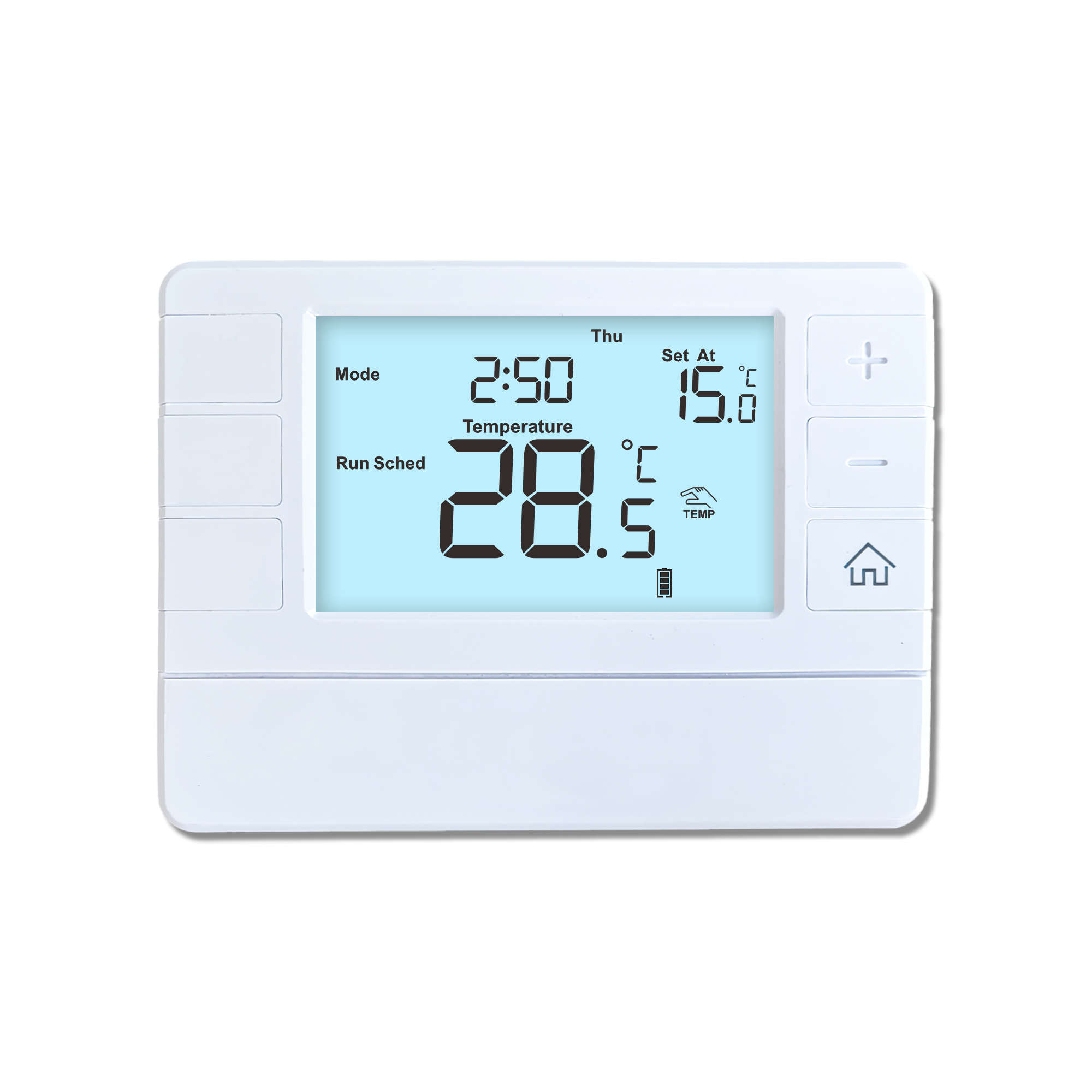
This shift has made traditional, manual thermostats obsolete, paving the way for advanced smart technologies.
Why You Need a Smart Thermostat
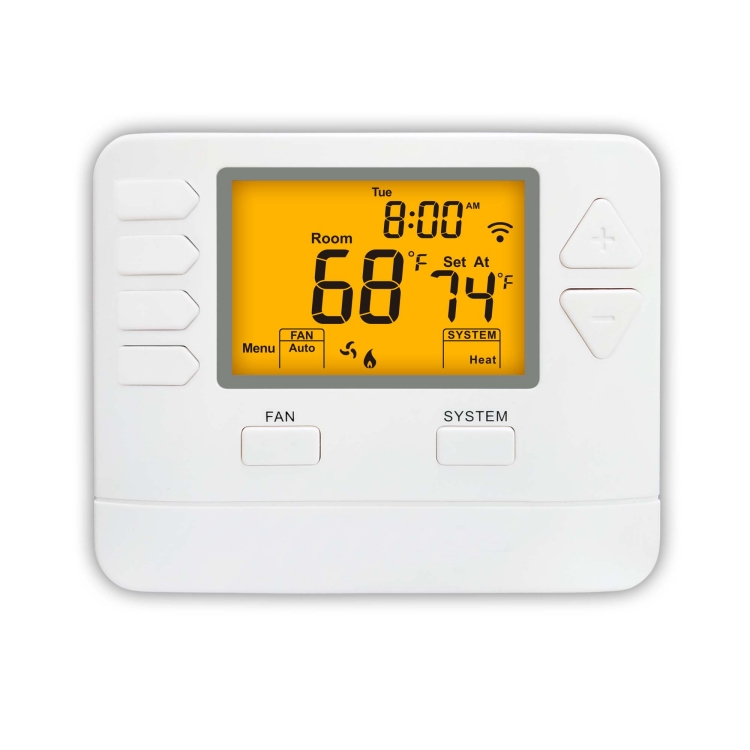
A true 7 Day programmable room thermostat offers the ultimate granular control. It allows users to program a distinct, customized heating and cooling schedule for every single day of the week.
How a 7 Day Programmable Room Thermostat Maximizes Home Comfort and Efficiency
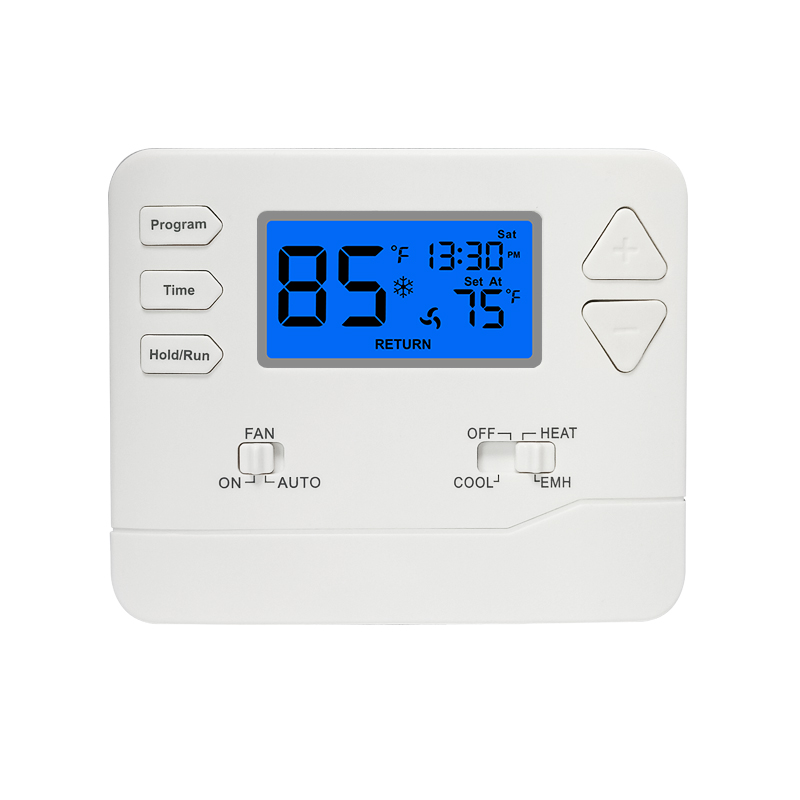
A premium Riseem thermostat is not just a digital display on your wall; it is the ultimate gatekeeper of your indoor environment.
Why a Quality Thermostat Is the Key to a More Comfortable Home
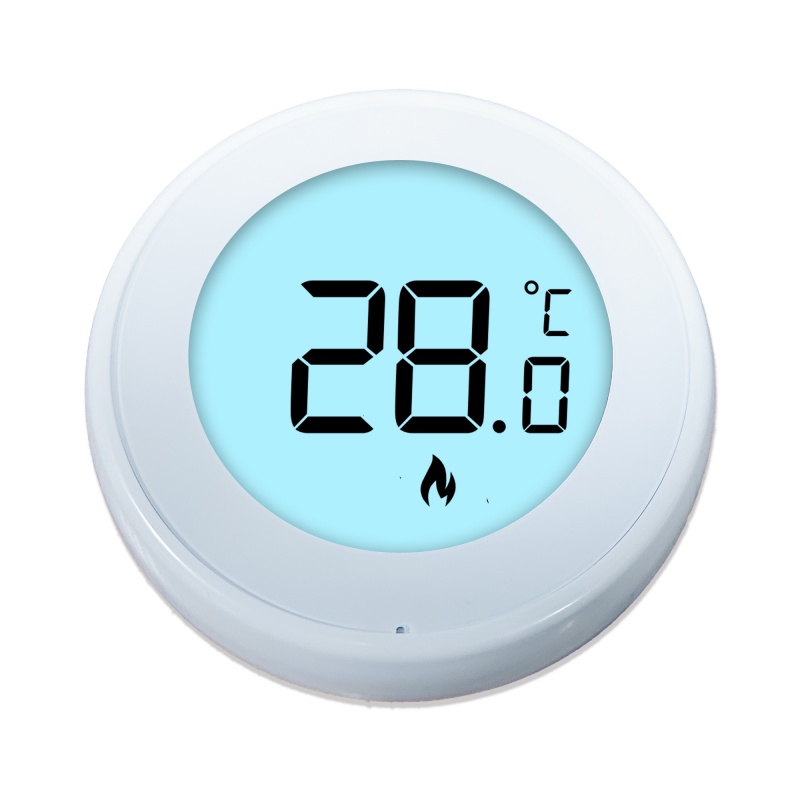
While the TUYA app provides the elegant interface, the physical thermostat remains the brain of the operation. Riseem has engineered a device that looks minimalist on your wall while delivering industrial-grade precision to your HVAC equipment.
Welcome to the Future of Home Automation The Ultimate Guide to TUYA WIFI Smart Thermostats