
where to place a wireless thermostat
author: Lily
2025-04-18
Where to Place a Wireless Thermostat?
The placement of a wireless thermostat is a crucial factor that can significantly impact its performance and the overall comfort of your home. While wireless thermostats offer flexibility in installation compared to their wired counterparts, understanding the ideal locations is essential to ensure accurate temperature readings and efficient operation of your heating, ventilation, and air conditioning (HVAC) system. This article will explore the best places to install a wireless thermostat and the reasons behind these recommendations.


Central Location on an Interior Wall
One of the fundamental principles of thermostat placement is to position it in a central location within your home. This helps the thermostat to average the temperature across different areas, providing a more accurate representation of the overall indoor climate. Installing the thermostat on an interior wall is preferable because exterior walls are more exposed to outdoor temperatures, which can lead to inaccurate readings. For example, a thermostat placed on an exterior wall during winter may detect the cold from outside and trigger the heating system more frequently than necessary, resulting in higher energy consumption.
Avoiding Direct Sunlight and Heat Sources
Direct sunlight can cause the thermostat to register a higher temperature than the actual ambient temperature in the room. As a result, the HVAC system may not operate as intended, either running less often than required for cooling or over - compensating for heating. Similarly, placing the thermostat near heat sources such as radiators, fireplaces, or even appliances that generate heat, like stoves or dryers, is a bad idea. These heat sources can mislead the thermostat into thinking the room is warmer than it is, leading to inefficient temperature control. To ensure accurate readings, choose a spot where the thermostat will be shielded from direct sunlight and kept away from any nearby heat - emitting objects.
Away from Drafts and Vents
Drafts from windows, doors, or air vents can also distort the temperature readings of a wireless thermostat. Cold drafts can make the thermostat think the room is cooler than it actually is, causing the heating system to work harder than needed. On the other hand, air vents blowing directly onto the thermostat can give false readings of a cooler environment, affecting the proper functioning of the cooling system. It’s advisable to install the thermostat at least several feet away from any windows, doors, or supply and return vents in the room. This way, the thermostat can measure the true, undisturbed air temperature of the living space.
Optimal Height for Installation
The height at which you install a wireless thermostat also plays a role in its effectiveness. Generally, a height of about 5 to 6 feet from the floor is considered ideal. At this height, the thermostat is at a comfortable eye level for easy access and adjustment. More importantly, it is in a zone where the air temperature is more representative of the overall room temperature. Installing it too low may result in readings that are affected by floor - level drafts or cooler air that settles near the ground. Conversely, placing it too high can capture warmer air that rises, leading to inaccurate temperature assessments.
Consideration for Multi - Story Homes
In multi - story homes, it can be beneficial to install multiple wireless thermostats, especially if each floor has its own HVAC zone. Heat naturally rises, so the upper floors tend to be warmer than the lower floors. By having separate thermostats on each floor, you can better control the temperature of each area according to its specific needs. Additionally, in large homes with multiple rooms, strategic placement of thermostats in key living areas, such as the living room, bedroom, and main hallway, can ensure that the most frequently used spaces are kept at a comfortable temperature.
Conclusion
Selecting the right location for your wireless thermostat is not a decision to be taken lightly. By choosing a central, interior location away from sunlight, heat sources, drafts, and vents, and installing it at the appropriate height, you can optimize its performance. For multi - story or larger homes, thoughtful placement of multiple thermostats can further enhance comfort and energy efficiency. Taking the time to understand and implement these placement guidelines will go a long way in ensuring that your wireless thermostat effectively controls your home’s temperature, keeping you comfortable while also helping to save on energy costs.


how do i test a thermostat
which wireless thermostat
Related Article
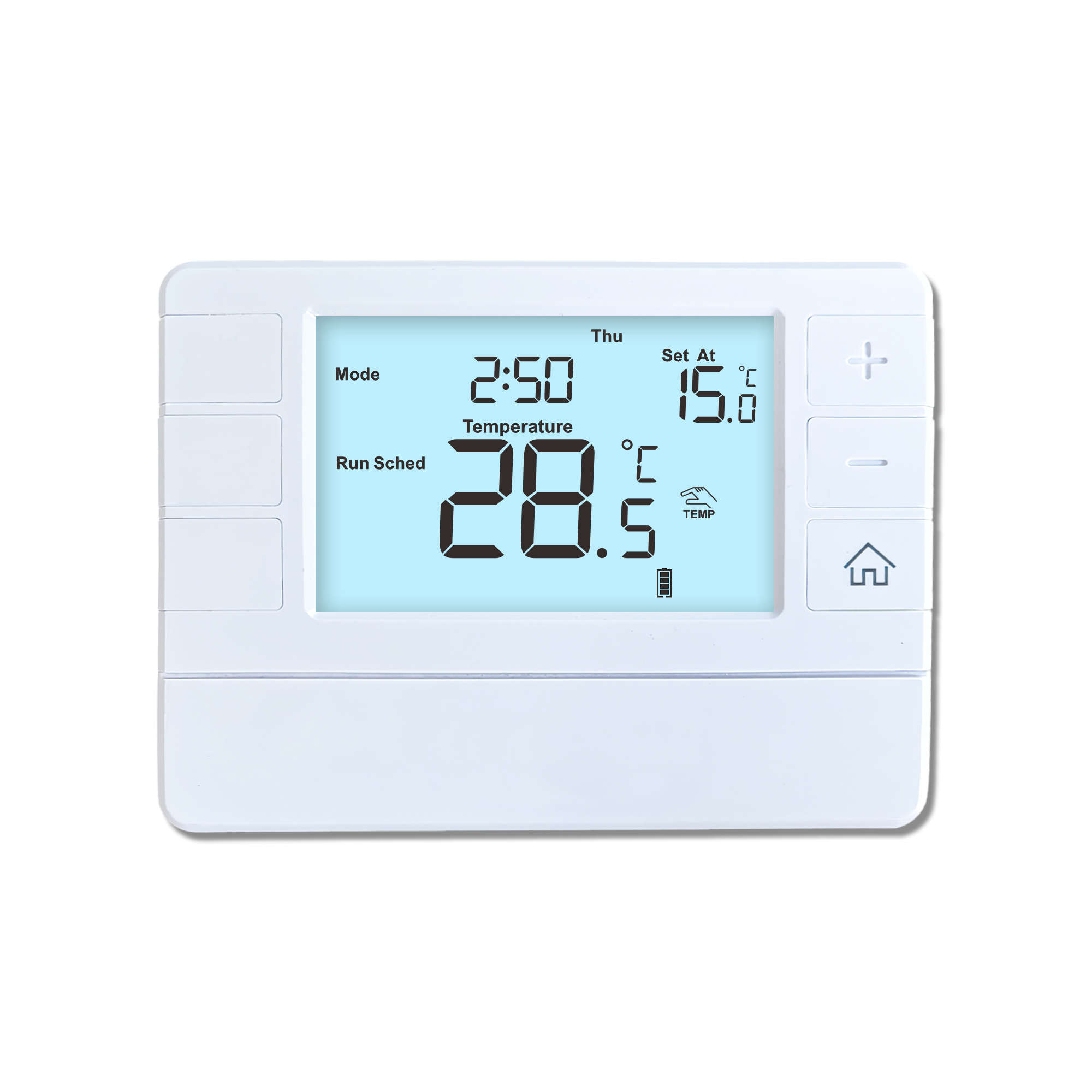
This shift has made traditional, manual thermostats obsolete, paving the way for advanced smart technologies.
Why You Need a Smart Thermostat
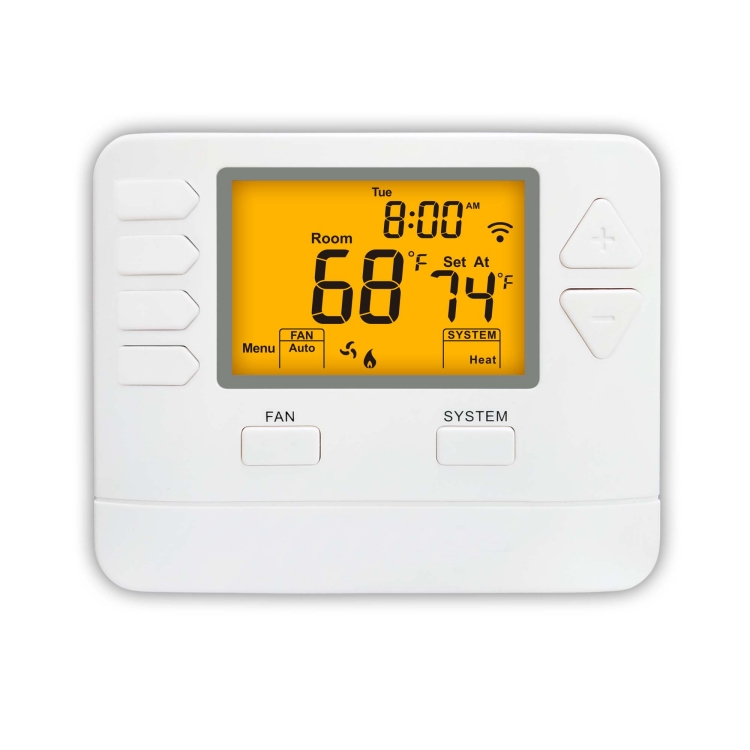
A true 7 Day programmable room thermostat offers the ultimate granular control. It allows users to program a distinct, customized heating and cooling schedule for every single day of the week.
How a 7 Day Programmable Room Thermostat Maximizes Home Comfort and Efficiency
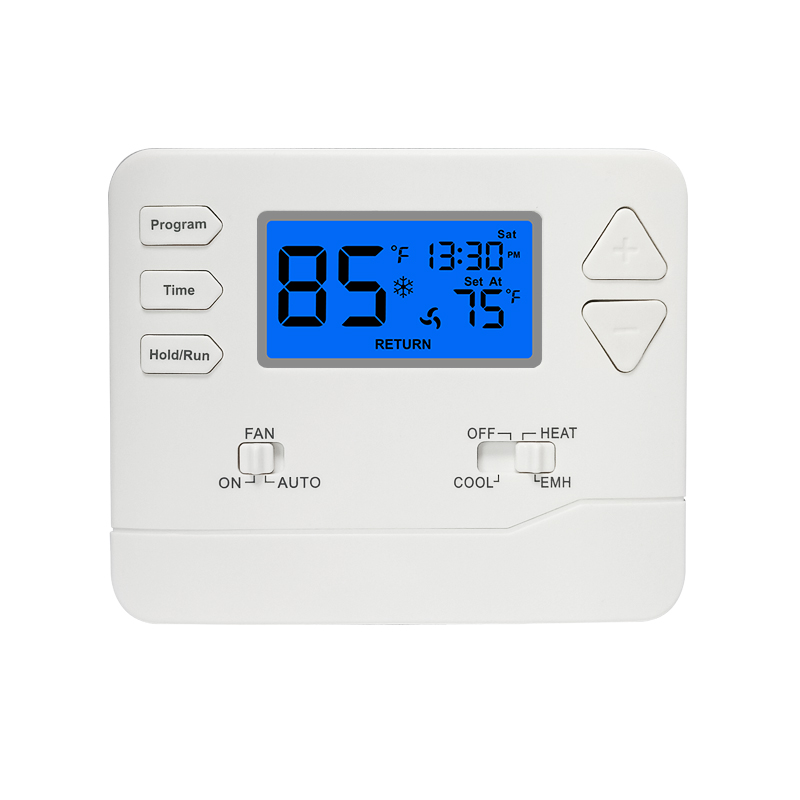
A premium Riseem thermostat is not just a digital display on your wall; it is the ultimate gatekeeper of your indoor environment.
Why a Quality Thermostat Is the Key to a More Comfortable Home
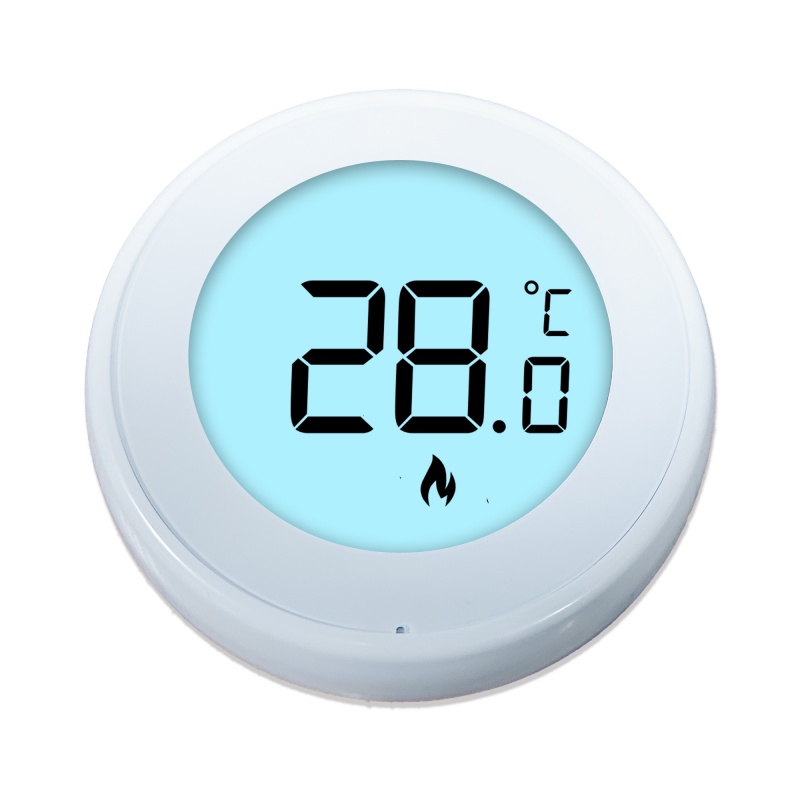
While the TUYA app provides the elegant interface, the physical thermostat remains the brain of the operation. Riseem has engineered a device that looks minimalist on your wall while delivering industrial-grade precision to your HVAC equipment.
Welcome to the Future of Home Automation The Ultimate Guide to TUYA WIFI Smart Thermostats