
Which is the most common type of thermostat
author: Lily
2025-07-18
Which is the Most Common Type of Thermostat?
In the world of temperature control, thermostats play a pivotal role. They are the devices that determine when our heating or cooling systems kick in, ensuring our living and working spaces remain at a comfortable temperature. But with a plethora of thermostat types available in the market, one might wonder: which is the most common type?

Types of Thermostats
Traditional Thermostats
Traditional thermostats are often the first to come to mind. These are the basic models that have been around for decades. They typically operate using a simple dial or slide mechanism. In older homes, it's quite common to find these thermostats. Adjusting the temperature requires manual intervention; if you want the room to be warmer or cooler, you have to physically turn the dial or move the slide. For instance, a simple bimetallic strip thermostat, which is a type of traditional thermostat, uses two different metals bonded together. As the temperature changes, the metals expand or contract at different rates, causing the strip to bend. This bending action can then close or open an electrical circuit, controlling the heating or cooling system.

Programmable Thermostats
Programmable thermostats have gained significant popularity in recent years. These thermostats are equipped with a clock and allow users to set different temperatures for different times of the day. For example, you can program the thermostat to lower the temperature at night when you're sleeping or when you're away from home during the day. This not only provides comfort but also helps in saving energy and reducing utility bills. Natural Resources Canada recommends programming the thermostat for 17 °C when people are sleeping or not at home and 20 °C when people are awake and at home. Programmable thermostats can be either digital or have a more traditional look with a dial, but they all offer the ability to schedule temperature changes.

Smart Thermostats
Smart thermostats represent the cutting - edge of thermostat technology. They are connected to the internet and can be controlled remotely via a smartphone app or other smart home devices. Some smart thermostats can even learn your temperature preferences over time and adjust the settings automatically. For example, if you usually lower the temperature in the living room when you start watching TV in the evening, the smart thermostat may pick up on this pattern and adjust the temperature accordingly. They also often come with features like energy usage monitoring, integration with other smart home devices such as security systems and lighting, and can be voice - controlled through virtual assistants like Amazon Alexa or Google Assistant.

Low - Voltage Thermostats
Low - voltage thermostats are another category. They are highly versatile and are quite commonly found in homes. These thermostats typically run on 24 volts of electricity, which is stepped down from the standard 120 - volt household circuit using a transformer. The transformer is usually mounted on or near the furnace. Low - voltage thermostats can be further classified into digital/programmable, mercury bimetallic, and mechanical contact types. They are compatible with a wide range of heating and cooling systems, including conventional gas forced - air furnaces, electric forced - air furnaces, gas - fired, oil - fired, and electric hot water boilers for radiant heat or baseboard hydronic systems, electric central air conditioning systems, and electric baseboard heaters.

The Most Common Type: A Closer Look
While all these thermostat types have their own advantages and are used in different scenarios, the most common type of thermostat in modern homes is the programmable thermostat. There are several reasons for this. Firstly, energy efficiency has become a major concern for homeowners. With the ability to schedule temperature changes, programmable thermostats can significantly reduce energy consumption. By lowering the temperature when the house is unoccupied or during sleep hours, they help in cutting down on heating or cooling costs. Secondly, they offer a good balance between functionality and simplicity. They are more advanced than traditional thermostats in terms of temperature control but are not as complex to set up and use as smart thermostats. Many people find the programming features of these thermostats easy to understand and manage. Additionally, as technology has advanced, the cost of programmable thermostats has become more affordable, making them accessible to a wide range of consumers.

In conclusion, among the various types of thermostats available, the programmable thermostat has emerged as the most common choice in today's residential settings, thanks to its energy - saving capabilities, user - friendly features, and reasonable cost.

The Rise of the Room Thermostat App
The most popular thermostat model of Ocean Controls Limited
Related Article
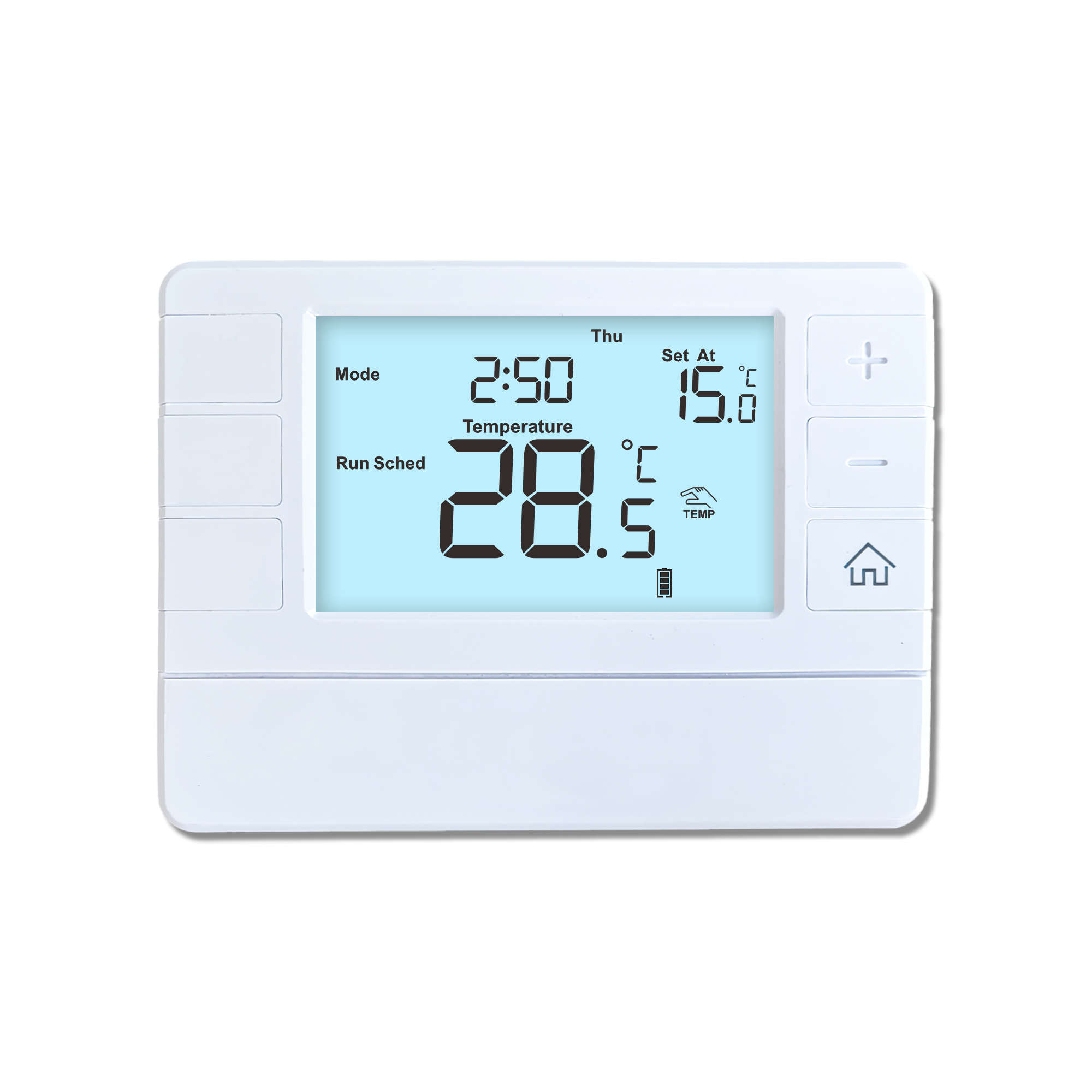
This shift has made traditional, manual thermostats obsolete, paving the way for advanced smart technologies.
Why You Need a Smart Thermostat
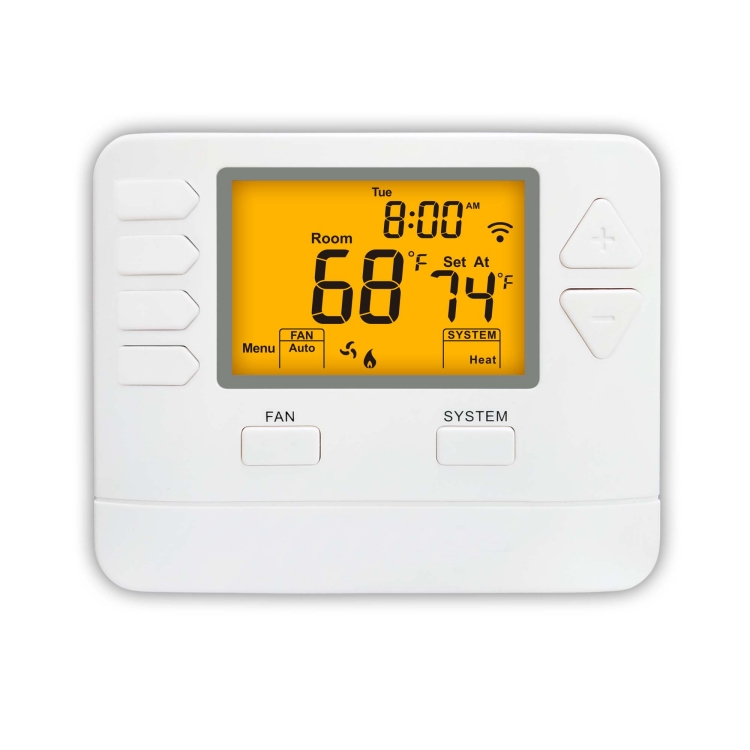
A true 7 Day programmable room thermostat offers the ultimate granular control. It allows users to program a distinct, customized heating and cooling schedule for every single day of the week.
How a 7 Day Programmable Room Thermostat Maximizes Home Comfort and Efficiency
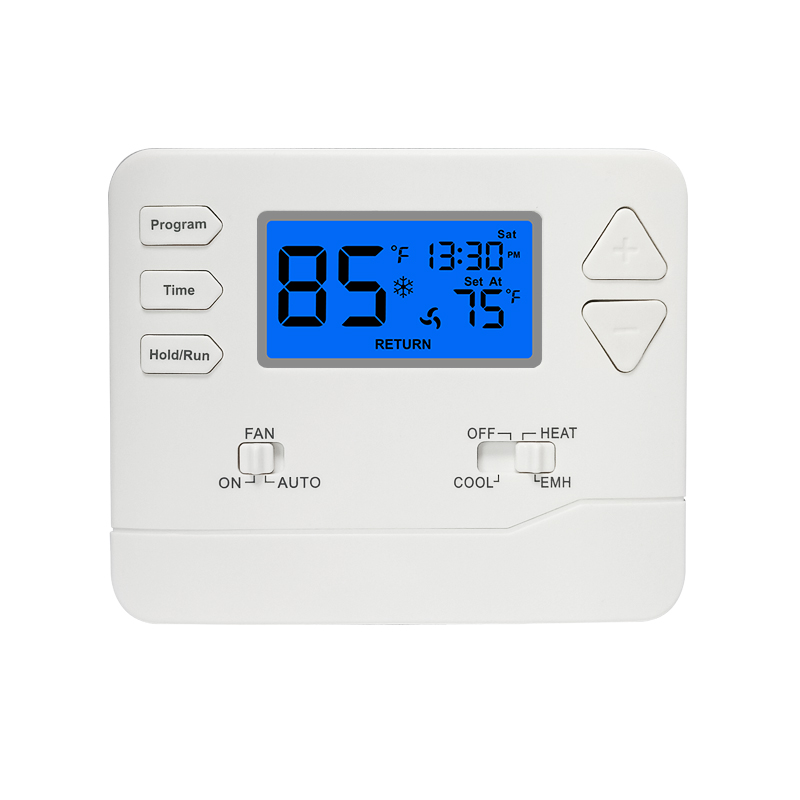
A premium Riseem thermostat is not just a digital display on your wall; it is the ultimate gatekeeper of your indoor environment.
Why a Quality Thermostat Is the Key to a More Comfortable Home
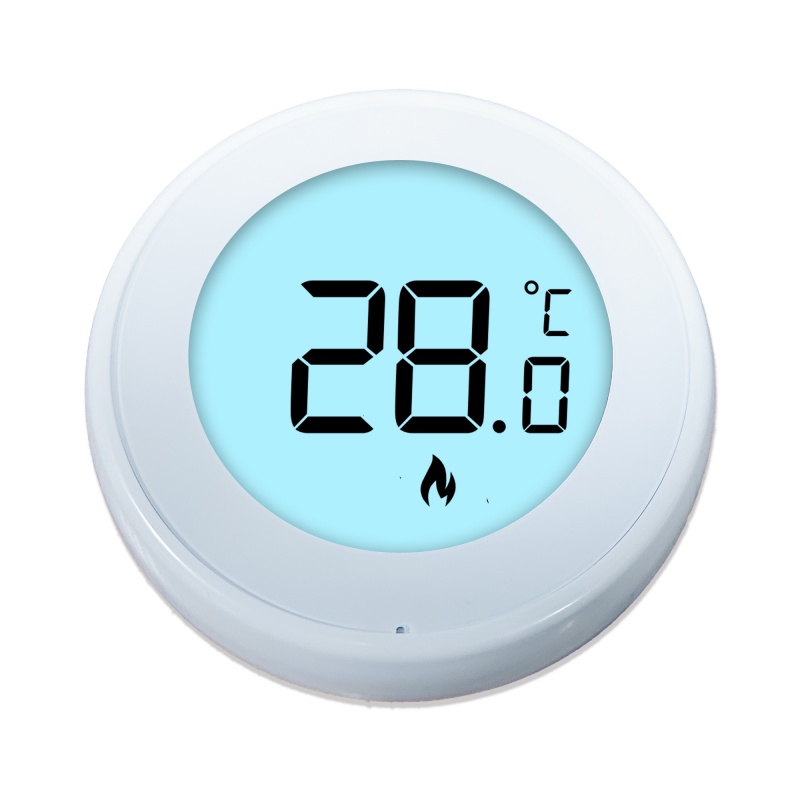
While the TUYA app provides the elegant interface, the physical thermostat remains the brain of the operation. Riseem has engineered a device that looks minimalist on your wall while delivering industrial-grade precision to your HVAC equipment.
Welcome to the Future of Home Automation The Ultimate Guide to TUYA WIFI Smart Thermostats