
which statement about room thermostat is true
author: LIly
2025-07-16
Which Statement About Room Thermostat Is True?
In the realm of home comfort and energy management, room thermostats play a pivotal role. But with a plethora of information available, it can be challenging to distinguish fact from fiction. Let's delve into some common statements about room thermostats and separate the truth from the myths.

Statement 1: All Room Thermostats Are the Same
False. Room thermostats come in a variety of types, each with its own set of features and capabilities. The most basic are mechanical thermostats, which typically use a bimetallic strip. As the temperature changes, the strip bends due to the differential expansion of the two metals, triggering the heating or cooling system to turn on or off. These are simple, reliable, and often very affordable, but they lack precision and advanced features.
Electronic thermostats, on the other hand, use digital sensors to measure temperature. They offer greater accuracy, usually within a fraction of a degree, and often come with features like programmable schedules. You can set different temperatures for different times of the day, such as a lower temperature while you're at work and a warmer one when you're home in the evening.
Then there are smart thermostats, which are connected to the internet. These can learn your temperature preferences over time, adjust settings based on your location (using geofencing technology), and be controlled remotely via a smartphone app. Some smart thermostats can also integrate with other smart home devices, like smart locks or lighting systems, to create a more comprehensive home automation ecosystem.

Statement 2: Thermostats Only Control Heating Systems
False. While room thermostats are commonly associated with heating, they are equally important for cooling systems. In a central air - conditioning setup, the thermostat monitors the indoor temperature. When the temperature rises above the setpoint, it signals the air - conditioning unit to start cooling the air. Similarly, in a heat pump system, which can both heat and cool, the thermostat controls the mode of operation. In summer, it switches the heat pump to the cooling mode, and in winter, to the heating mode, based on the temperature difference between the set value and the actual room temperature.

Statement 3: A Higher - Priced Thermostat Always Means Better Performance
Not necessarily true. While high - end thermostats, especially smart ones, often come with advanced features like more accurate sensors, better connectivity options, and sophisticated learning algorithms, price isn't always a direct indicator of performance. A mid - range electronic thermostat with programmable settings can provide excellent temperature control for most households. It may not have the fancy smartphone app or the ability to integrate with other smart home devices, but it can still maintain a comfortable indoor temperature effectively.

Moreover, the performance of a thermostat also depends on proper installation and calibration. Even the most expensive thermostat won't function optimally if it's installed in a drafty area or not calibrated correctly. For example, if a thermostat is placed near a heat source like a radiator or a sunny window, it will sense a higher temperature than the actual room temperature, causing the heating or cooling system to operate inefficiently.

Statement 4: Programmable Thermostats Can Significantly Reduce Energy Bills
True. Programmable thermostats are a great energy - saving tool. By setting different temperatures for different times of the day, you can avoid heating or cooling an empty house. For instance, if you set the temperature to be a few degrees lower during the day when you're at work and then raise it an hour or so before you get home, you can save a substantial amount of energy. According to the U.S. Department of Energy, using a programmable thermostat can save you around 10% on your heating and cooling bills. This is because the heating or cooling system doesn't have to work as hard to maintain a constant temperature when the house is unoccupied, and it can start adjusting the temperature in advance to reach the desired comfort level when you return.
In conclusion, understanding the true capabilities and functions of room thermostats is crucial for making informed decisions about home comfort and energy efficiency. By separating the facts from the myths, homeowners can choose the right thermostat for their needs and make the most of its features to create a more comfortable and sustainable living environment.

Room Thermostats with Timers
Room heater thermostat
Related Article
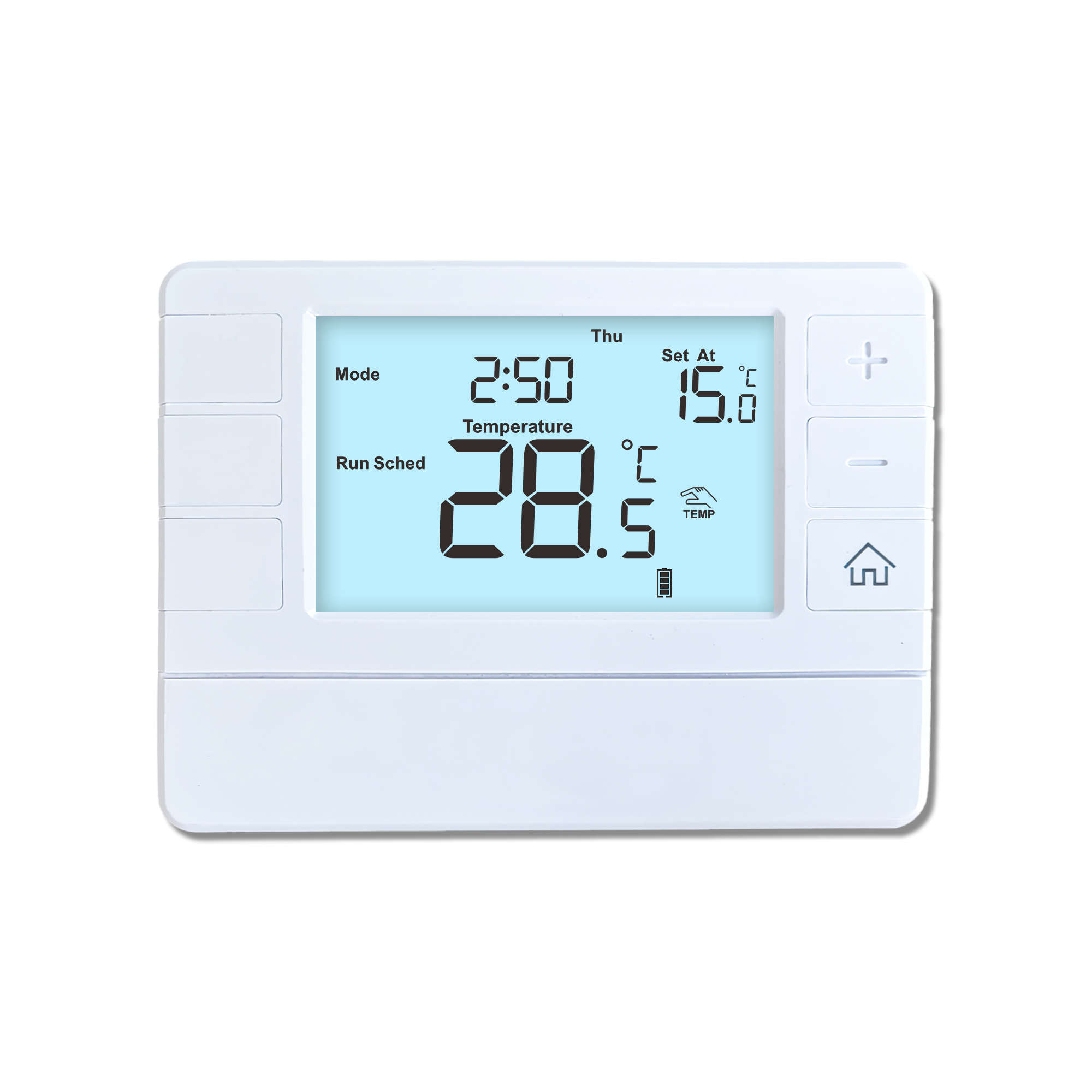
This shift has made traditional, manual thermostats obsolete, paving the way for advanced smart technologies.
Why You Need a Smart Thermostat
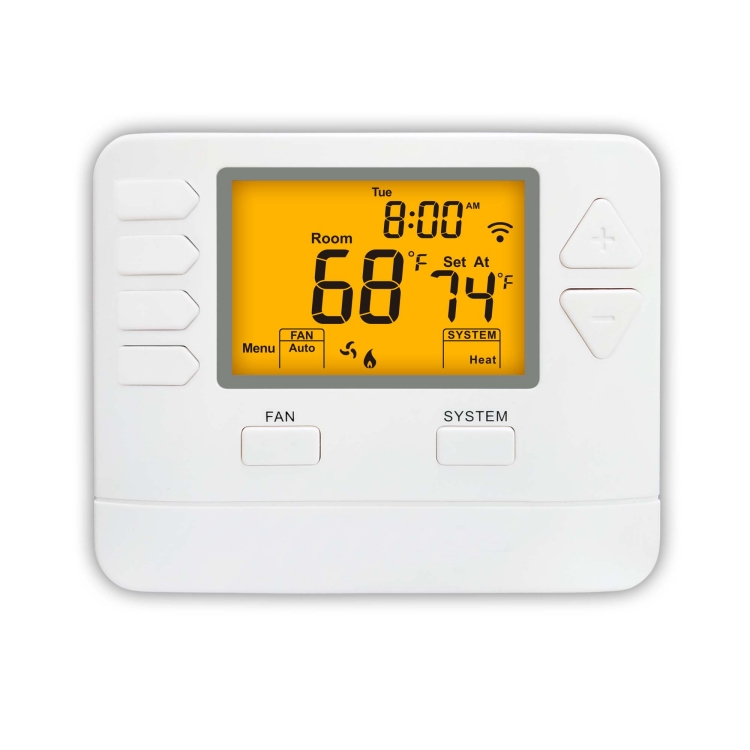
A true 7 Day programmable room thermostat offers the ultimate granular control. It allows users to program a distinct, customized heating and cooling schedule for every single day of the week.
How a 7 Day Programmable Room Thermostat Maximizes Home Comfort and Efficiency
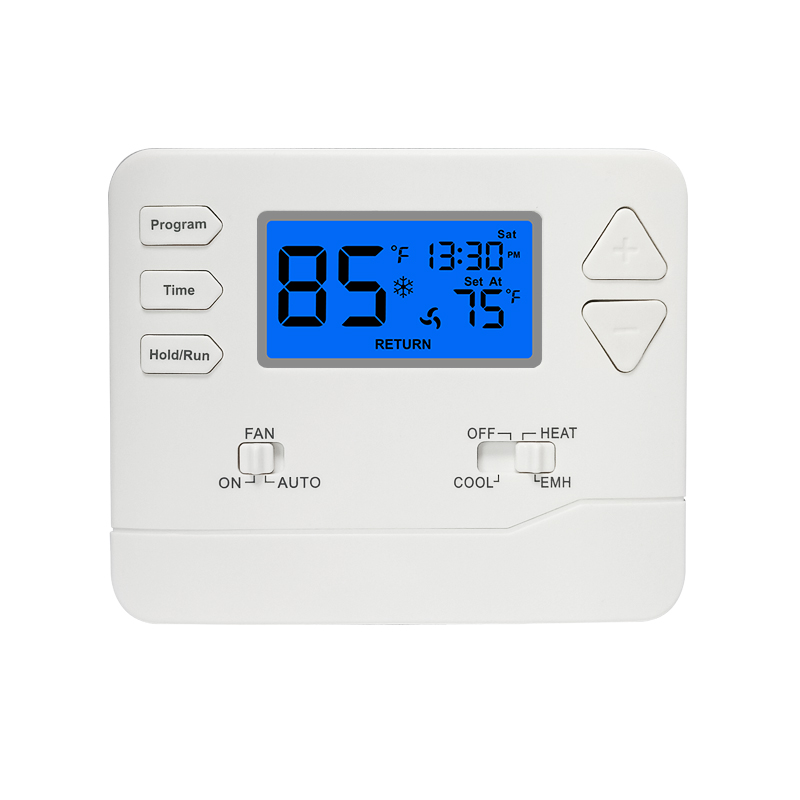
A premium Riseem thermostat is not just a digital display on your wall; it is the ultimate gatekeeper of your indoor environment.
Why a Quality Thermostat Is the Key to a More Comfortable Home
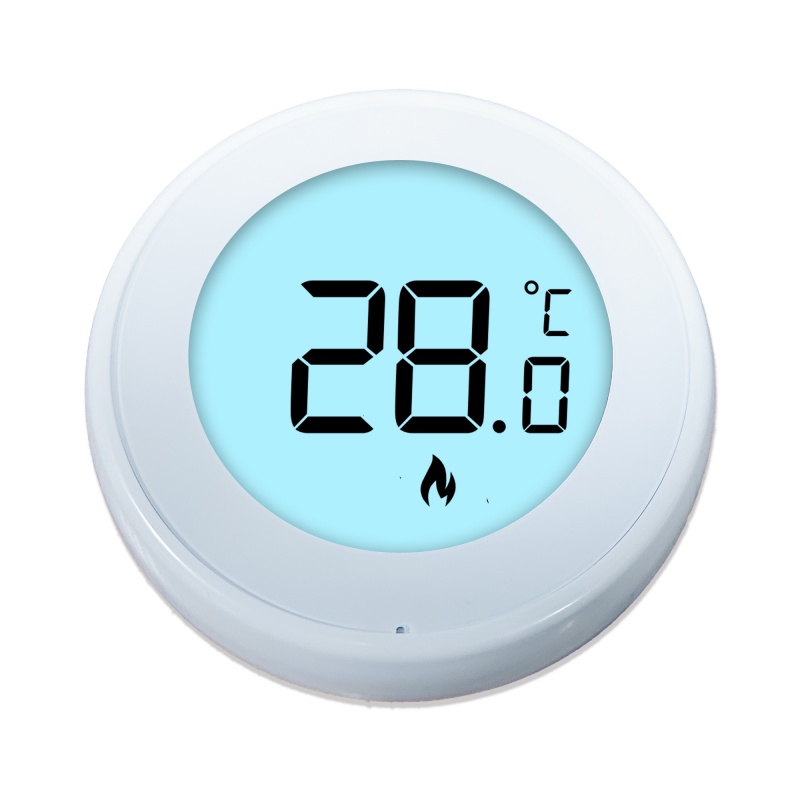
While the TUYA app provides the elegant interface, the physical thermostat remains the brain of the operation. Riseem has engineered a device that looks minimalist on your wall while delivering industrial-grade precision to your HVAC equipment.
Welcome to the Future of Home Automation The Ultimate Guide to TUYA WIFI Smart Thermostats