
which statement about an electronic room thermostat is true
author: Lily
2025-06-07
Which Statement About an Electronic Room Thermostat Is True?

Q:As smart home devices become increasingly popular, the electronic room thermostat, a core device for regulating indoor temperature, often sparks discussions about its working principles and functions. Which of the following statements about an electronic room thermostat is true?A. The thermostat can only adjust temperature via manual buttons and cannot connect to smart systems.B. Its core function is to automatically control the start and stop of heating or cooling equipment by sensing indoor temperature.C. The temperature sensing accuracy of electronic thermostats is generally lower than that of mechanical thermostats.D. No need to consider the location during installation—it can be placed freely in any corner of the room.
A:
Correct Answer: B. Its core function is to automatically control the start and stop of heating or cooling equipment by sensing indoor temperature.
Analysis:The working logic of an electronic room thermostat essentially forms a closed-loop system of "perceive-feedback-control." Equipped with internal temperature sensors (such as thermistors or thermocouples), it continuously monitors indoor temperature and compares it with the user-set target temperature. When the actual temperature deviates from the set value, the thermostat sends signals to devices like air conditioners or floor heaters, automatically activating or deactivating heating/cooling functions to maintain stable indoor temperatures. This process requires no manual intervention, embodying the core advantage of automated regulation.
Why Are Other Options Incorrect?

- Option A is false: Modern electronic thermostats have achieved high intelligence. They not only support manual button adjustments but also connect to smart systems via Wi-Fi (e.g., 米家,HomeKit), enabling voice control or automatic temperature adjustments based on users' daily routines (e.g., "away mode" or "sleep mode").
- Option C is false: Electronic thermostats typically feature a temperature sensing accuracy within ±0.5°C, with some high-end models reaching ±0.1°C. In contrast, mechanical thermostats rely on the thermal expansion and contraction of metal sheets, with an accuracy often between ±1°C and ±2°C. Thus, electronic thermostats actually offer higher precision.
- Option D is false: The installation location crucially impacts a thermostat's accuracy. Placing it near sunlit windows, heating vents, or air conditioner return ducts can cause temperature sensing deviations, affecting regulation effects. Standard installation guidelines require fixing the thermostat on a central, unobstructed wall indoors, approximately 1.5 meters above the ground.
Extension: Technological Upgrades and Energy-Saving Value of Electronic Thermostats

With the development of IoT technology, new-generation electronic thermostats now have "learning functions." For example, they analyze users' weekly temperature usage habits to optimize equipment operation times automatically. Data shows that using smart thermostats can help households save 10%-15% energy, especially in winter heating and summer cooling scenarios. Additionally, some models can 联动 with weather stations, adjusting indoor temperature control strategies in advance based on outdoor temperatures to further enhance comfort and energy efficiency.
Tips: When purchasing a thermostat, consumers should pay attention to its compatibility (e.g., whether it supports their home heating/cooling equipment), sensing accuracy, and smart features. It is advisable to have professionals plan the installation location to fully unleash the device's performance.


can you replace any thermostat with a smart thermostat
should thermostat be on auto or fan
Related Article
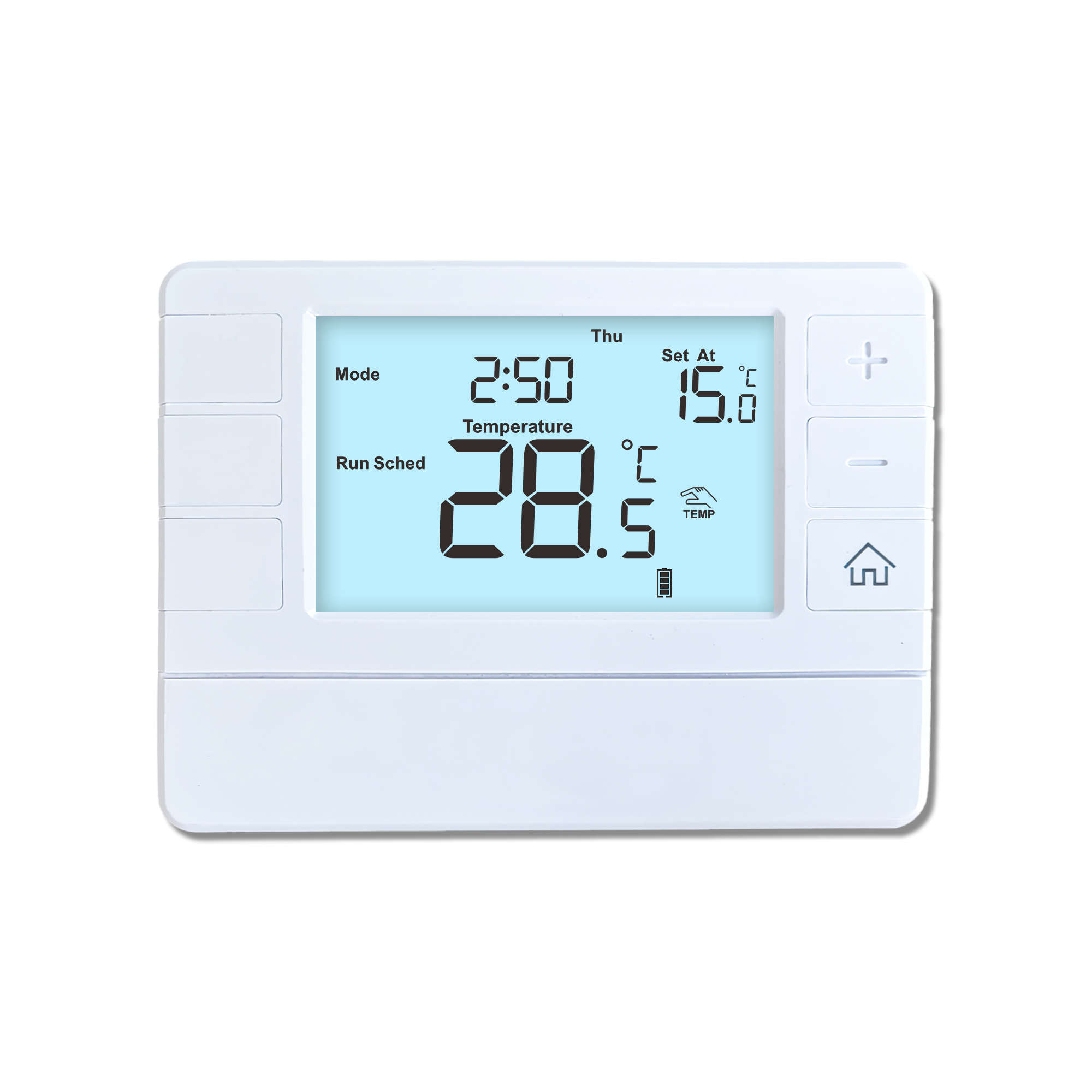
This shift has made traditional, manual thermostats obsolete, paving the way for advanced smart technologies.
Why You Need a Smart Thermostat
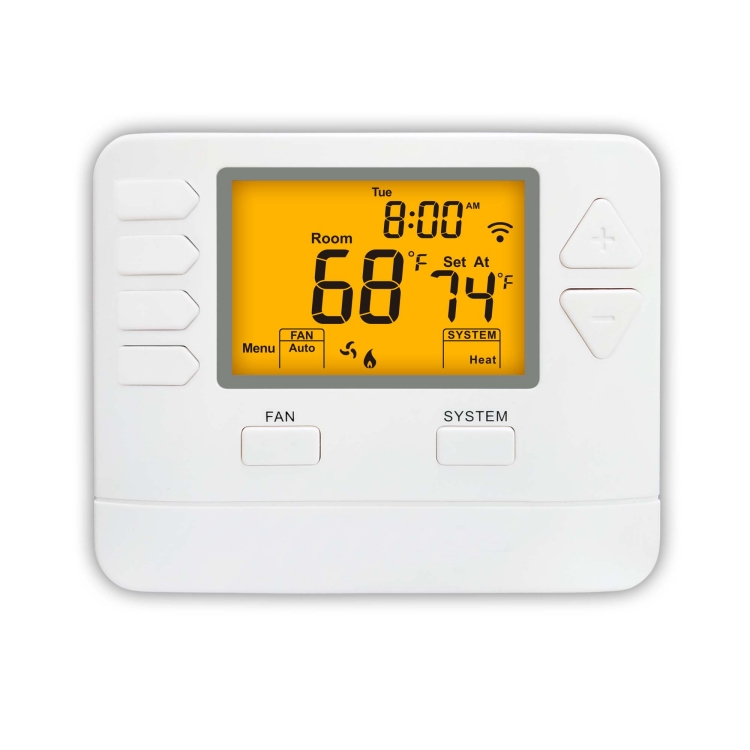
A true 7 Day programmable room thermostat offers the ultimate granular control. It allows users to program a distinct, customized heating and cooling schedule for every single day of the week.
How a 7 Day Programmable Room Thermostat Maximizes Home Comfort and Efficiency
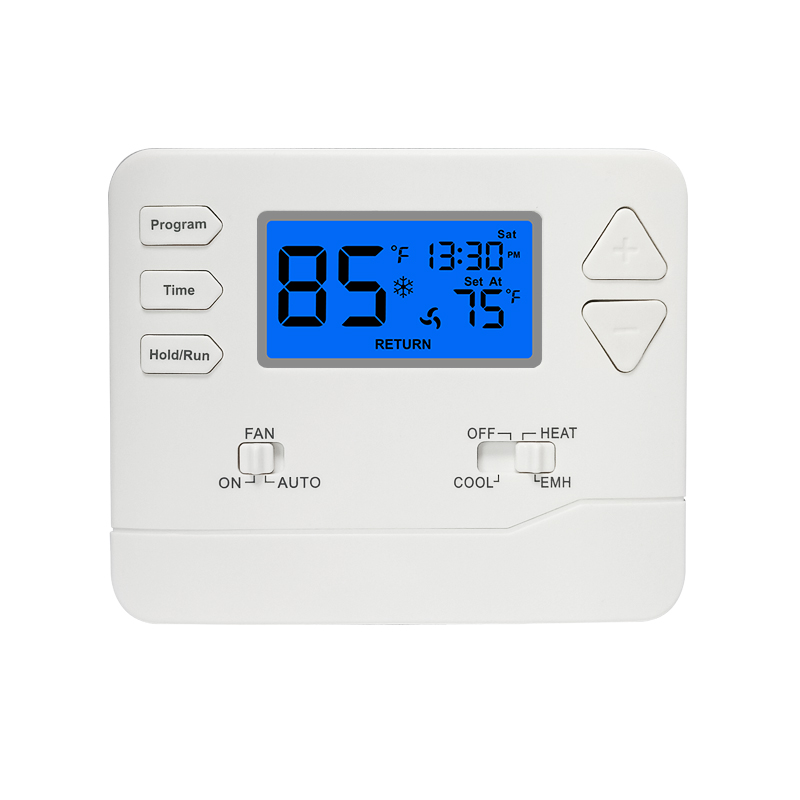
A premium Riseem thermostat is not just a digital display on your wall; it is the ultimate gatekeeper of your indoor environment.
Why a Quality Thermostat Is the Key to a More Comfortable Home
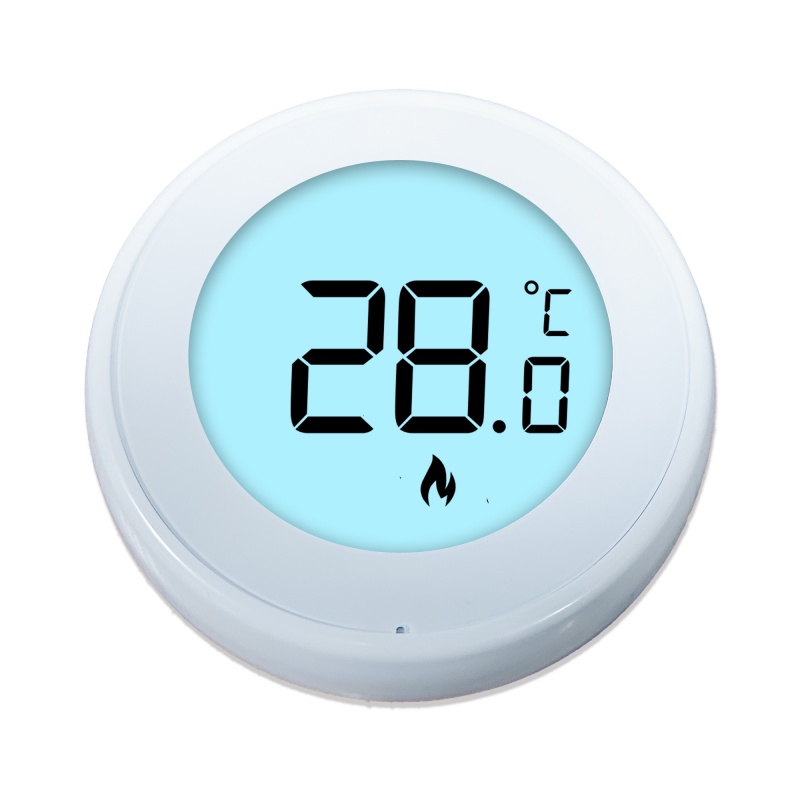
While the TUYA app provides the elegant interface, the physical thermostat remains the brain of the operation. Riseem has engineered a device that looks minimalist on your wall while delivering industrial-grade precision to your HVAC equipment.
Welcome to the Future of Home Automation The Ultimate Guide to TUYA WIFI Smart Thermostats