
which wireless thermostat
author: Lily
2025-04-18
Which Wireless Thermostat: A Comprehensive Guide

In the realm of modern home automation, wireless thermostats have emerged as essential devices, offering convenience, energy efficiency, and enhanced control over indoor climate. But with a plethora of options available in the market, choosing the right wireless thermostat can be a daunting task. This article aims to guide you through the key aspects to consider when deciding “which wireless thermostat” is the best fit for your needs.
Understanding Wireless Thermostats
A wireless thermostat operates without the need for a complex network of wires connecting it to the heating, ventilation, and air conditioning (HVAC) system. Instead, it uses wireless communication technologies such as Wi-Fi, Bluetooth, or Zigbee to send and receive signals. This wireless connectivity allows for easy installation, often without the need for professional help, and provides the flexibility to place the thermostat in optimal locations within your home.
Key Features to Evaluate
Connectivity and Compatibility
One of the primary considerations is the type of wireless connectivity the thermostat offers. Wi-Fi-enabled thermostats are popular as they allow you to control the device remotely using a smartphone app or a web interface. Ensure that the thermostat is compatible with your home’s Wi-Fi network and the operating system of your mobile device. Additionally, if you have a smart home ecosystem, check for compatibility with other smart devices and voice assistants like Amazon Alexa or Google Assistant for seamless integration.
Energy Efficiency
Energy-efficient wireless thermostats can significantly reduce your utility bills. Look for models with features like programmable schedules, which allow you to set different temperature levels for various times of the day and week. Some thermostats also have sensors that detect occupancy, adjusting the temperature automatically when no one is in the room. Energy Star - certified thermostats meet strict energy efficiency guidelines, ensuring long - term savings.
User Interface and Display
The user interface of a wireless thermostat should be intuitive and easy to navigate. Touchscreen displays offer a modern and user - friendly experience, allowing for quick adjustments. Clear and bright displays are essential, especially if you need to read the temperature and settings from a distance. Some thermostats also provide detailed energy usage reports on their displays or through associated apps, helping you understand and manage your energy consumption.
Installation and Setup
As mentioned, wireless thermostats are generally easier to install compared to their wired counterparts. However, the complexity can still vary. Some models come with step - by - step installation guides and require only basic tools. Consider the installation process and whether you feel comfortable doing it yourself or if you’ll need to hire a professional. Also, check for any additional requirements such as a C - wire (common wire) for powering the thermostat.
Different Types of Wireless Thermostats
Programmable Wireless Thermostats
These are ideal for households with regular routines. You can program different temperature settings for different times, ensuring comfort when you’re at home and energy savings when you’re away. For example, you can set the temperature to lower at night when you’re sleeping or raise it an hour before you wake up.
Non - Programmable Wireless Thermostats
If you prefer a more straightforward approach, non - programmable thermostats are a good choice. They still offer the convenience of wireless control but lack the advanced scheduling features. You can adjust the temperature manually as needed, making them suitable for smaller homes or those with less predictable schedules.
Smart Wireless Thermostats
Smart thermostats are at the forefront of innovation. They use artificial intelligence and machine learning algorithms to learn your habits and preferences over time. For instance, they can automatically adjust the temperature based on your daily routine, the weather outside, or the time of year. Many smart thermostats also integrate with other smart home devices, providing a comprehensive home automation experience.
Conclusion
When asking “which wireless thermostat” to choose, it’s crucial to assess your specific requirements, budget, and the features that matter most to you. Whether you prioritize energy savings, ease of use, or advanced smart features, there’s a wireless thermostat out there to meet your needs. By carefully considering the factors discussed in this article, you can make an informed decision and enjoy the benefits of a more comfortable, efficient, and connected home.


where to place a wireless thermostat
what temperature to set thermostat in winter
Related Article
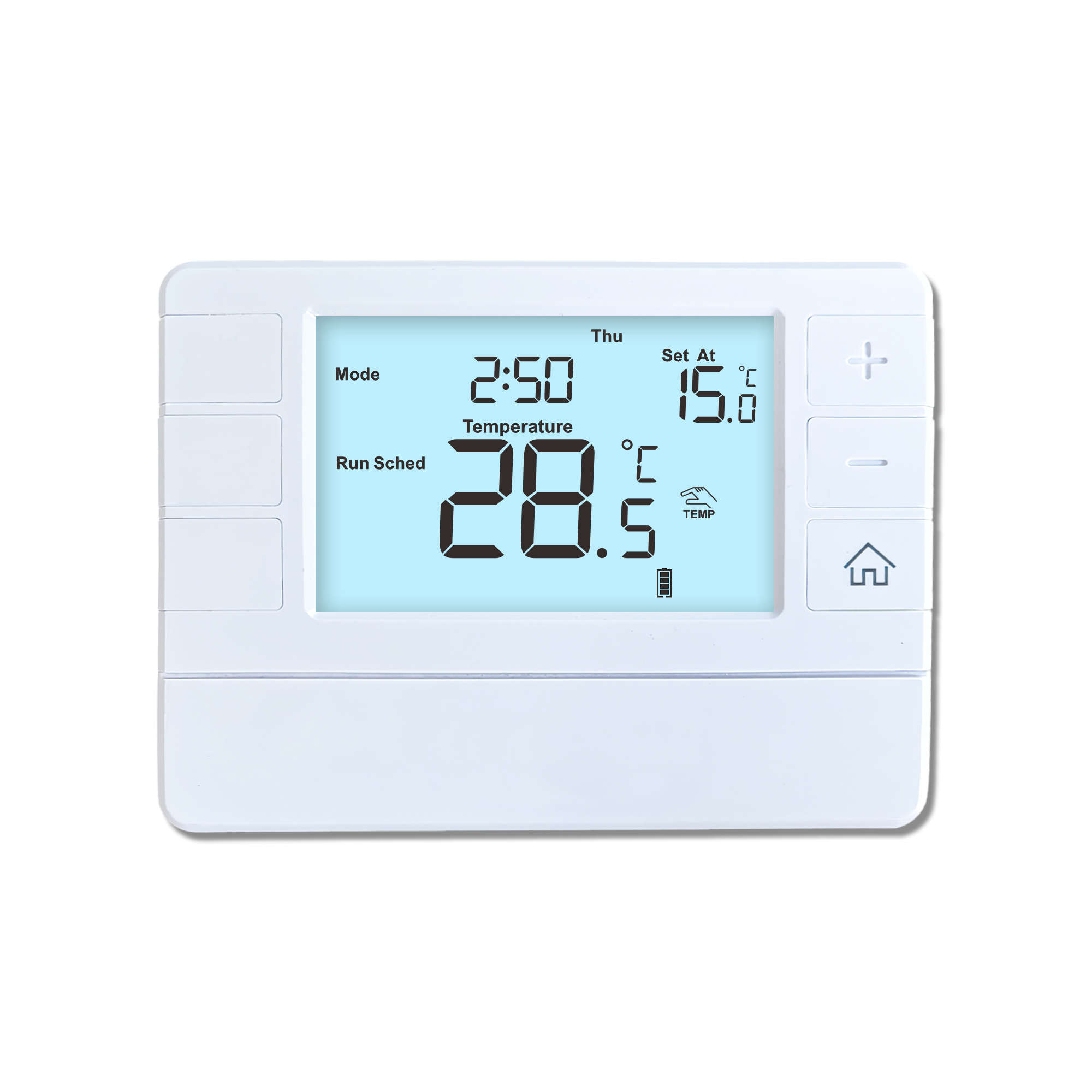
This shift has made traditional, manual thermostats obsolete, paving the way for advanced smart technologies.
Why You Need a Smart Thermostat
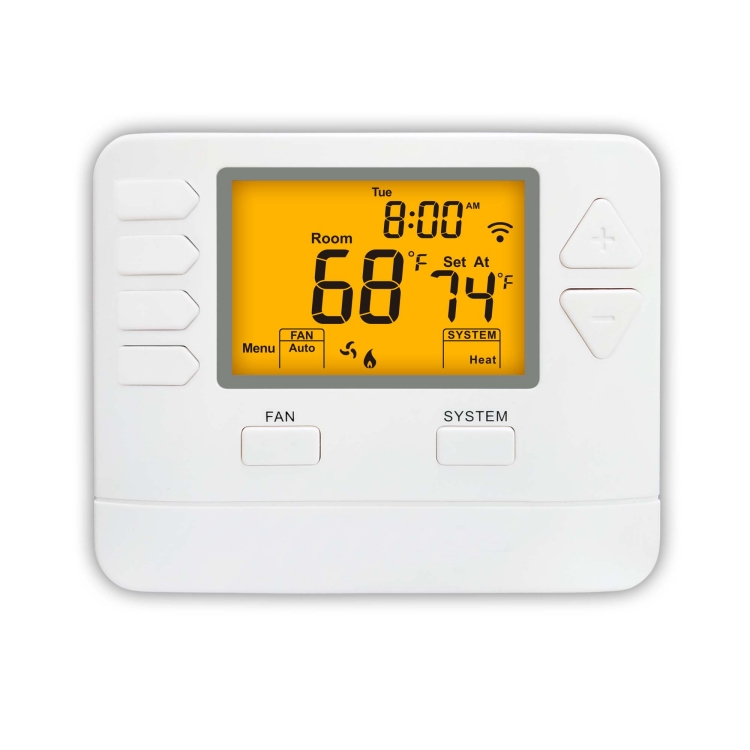
A true 7 Day programmable room thermostat offers the ultimate granular control. It allows users to program a distinct, customized heating and cooling schedule for every single day of the week.
How a 7 Day Programmable Room Thermostat Maximizes Home Comfort and Efficiency
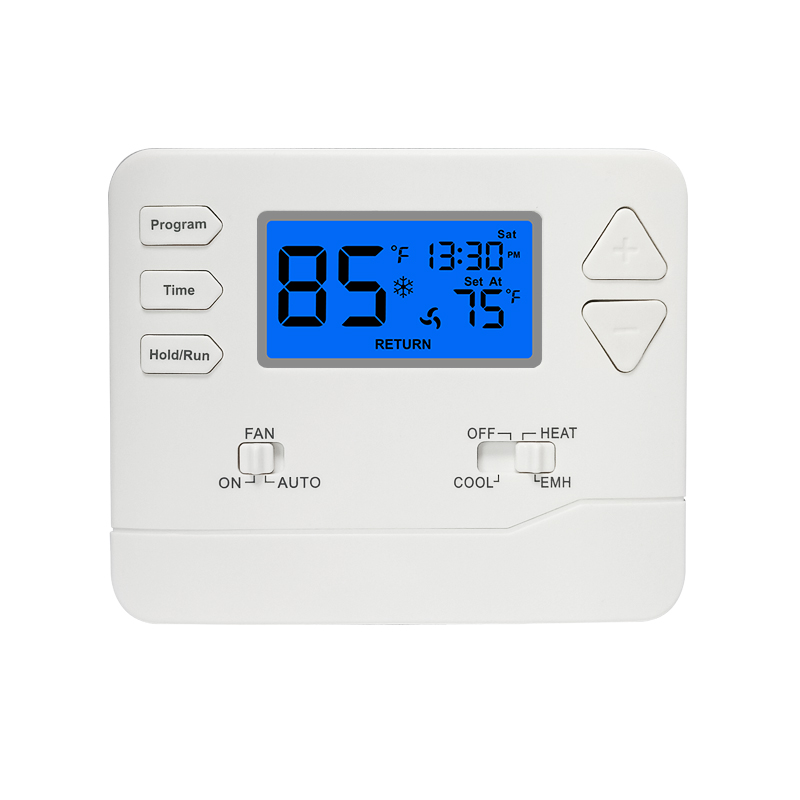
A premium Riseem thermostat is not just a digital display on your wall; it is the ultimate gatekeeper of your indoor environment.
Why a Quality Thermostat Is the Key to a More Comfortable Home
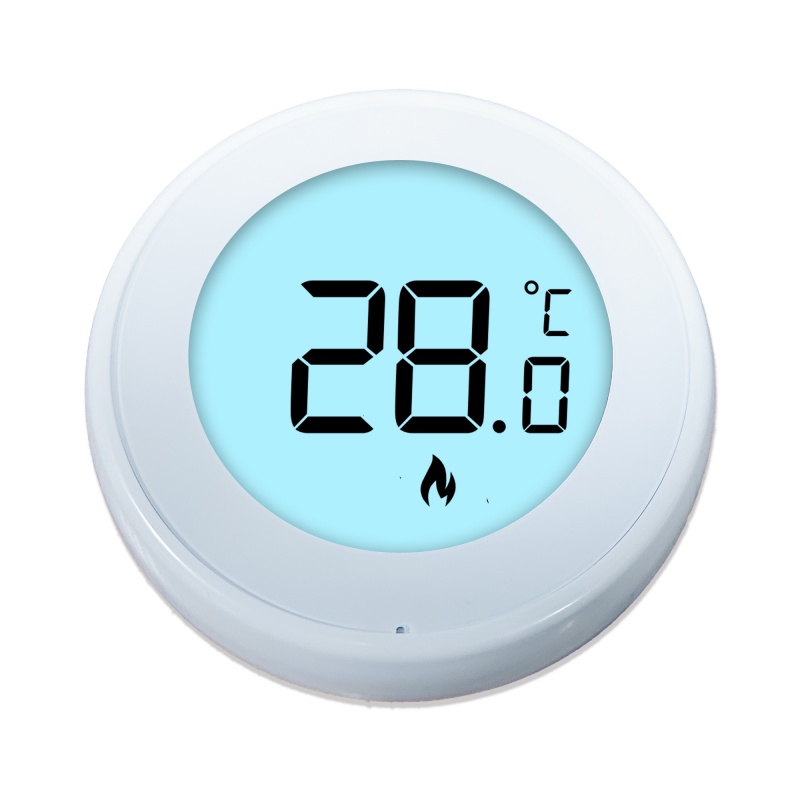
While the TUYA app provides the elegant interface, the physical thermostat remains the brain of the operation. Riseem has engineered a device that looks minimalist on your wall while delivering industrial-grade precision to your HVAC equipment.
Welcome to the Future of Home Automation The Ultimate Guide to TUYA WIFI Smart Thermostats