
why is my furnace not keeping up with thermostat
author: Lily
2025-05-29
Why Is My Furnace Not Keeping Up with Thermostat?
Introduction
Have you ever found yourself shivering in your home despite setting the thermostat to a comfortable temperature? If your furnace isn't keeping up with the thermostat's settings, it can be a frustrating and concerning experience. This issue not only affects your comfort but can also lead to higher energy bills. In this article, we'll explore the common reasons behind this problem and provide solutions to get your heating system back on track.

What Could Be Causing the Furnace to Fail to Keep Up?
Faulty Thermostat
- Q: Could a malfunctioning thermostat be the culprit?
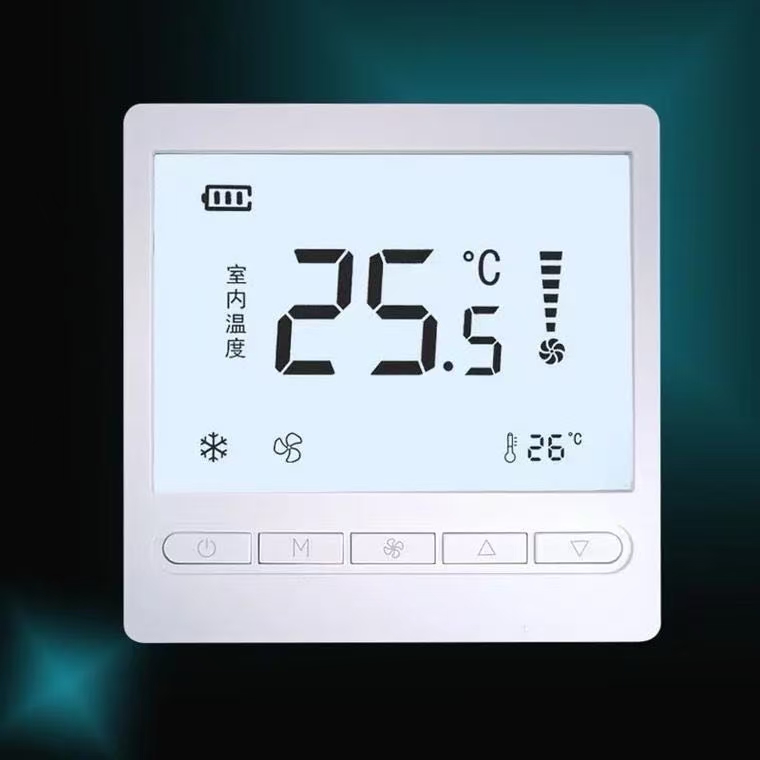
- A: Yes, a faulty thermostat is a common reason. Over time, thermostats can develop issues such as incorrect temperature readings, wiring problems, or sensor failures. If the thermostat isn't accurately detecting the room temperature, it won't signal the furnace to operate properly. For example, if the thermostat is set to 72°F but is actually reading 68°F when the room is at 72°F, it will keep calling for heat, or conversely, if it overreads, the furnace may not run enough.
Dirty Air Filters
- Q: How do dirty air filters impact the furnace's performance?
- A: Air filters play a crucial role in your heating system. When they become clogged with dust, dirt, and debris, they restrict the airflow to the furnace. This forces the furnace to work harder to heat your home, reducing its efficiency and potentially causing it to struggle to maintain the desired temperature set by the thermostat. A dirty filter can also lead to overheating of the furnace components, triggering safety shut - offs.
Ductwork Issues
- Q: Can problems with the ductwork cause the furnace to fall behind the thermostat settings?
- A: Absolutely. Leaky, damaged, or poorly insulated ductwork can result in significant heat loss. As the warm air travels through the ducts to reach different rooms, if there are leaks, a large portion of the heat escapes into unconditioned spaces like attics or crawl spaces. This means that less warm air actually reaches the rooms, making it difficult for the furnace to keep up with the thermostat - set temperature. Additionally, if the ductwork is undersized or has improper airflow design, it can impede the efficient distribution of heated air.
Furnace Age and Wear
- Q: Does the age of the furnace matter in this situation?
- A: Older furnaces are more likely to experience problems. Over the years, the components of the furnace, such as the heat exchanger, blower motor, and burners, wear out. A worn - out heat exchanger may not transfer heat as efficiently, while a failing blower motor may not circulate the air properly. As a result, the furnace may struggle to produce and distribute enough heat to match the thermostat's requirements.
How Can I Fix the Problem?
Thermostat Troubleshooting and Repair
- Q: What steps can I take to check and fix a faulty thermostat?
- A: First, check the batteries if it's a battery - operated thermostat. Replace them if they are low or dead. Next, inspect the thermostat's settings to ensure they are correctly configured. You can also try resetting the thermostat to its factory settings (refer to the user manual for instructions). If the problem persists, it may be necessary to have a professional technician test the thermostat's sensors and wiring for any electrical issues. In some cases, the thermostat may need to be replaced.
Changing Air Filters
- Q: How often should I change the air filters, and how does it help?
- A: It's recommended to change your air filters every 1 - 3 months, depending on factors like the type of filter, household occupancy, and presence of pets. Replacing a dirty filter with a clean one improves the airflow to the furnace. This allows the furnace to operate more efficiently, reducing the workload and enabling it to maintain the desired temperature set by the thermostat. A clean filter also helps to improve the indoor air quality in your home.
Ductwork Inspection and Repair
- Q: How do I know if my ductwork needs repair, and what should I do?
- A: You can visually inspect the ductwork for any visible signs of damage, such as cracks, holes, or disconnected sections. If you notice uneven heating in different rooms, or if you can feel warm air escaping from the ducts, it's a clear indication that there are issues. To fix leaky ducts, you can use duct sealant or metal tape to seal the gaps. For more extensive damage or problems with insulation, it's best to hire a professional HVAC contractor. They can perform a thorough inspection, identify all the issues, and make the necessary repairs or upgrades to ensure proper heat distribution.
Furnace Maintenance and Replacement
- Q: What kind of maintenance can I do for my furnace, and when should I consider replacing it?
- A: Regular maintenance, such as cleaning the burners, checking the ignition system, and lubricating moving parts, can help keep your furnace in good working condition. However, if your furnace is more than 15 - 20 years old, is frequently breaking down, or has a low efficiency rating, it may be time to consider replacement. A new, energy - efficient furnace will not only provide better heating performance but can also save you money on your energy bills in the long run.
Conclusion
When your furnace isn't keeping up with the thermostat, there are several potential causes, from a simple issue like a dirty air filter to more complex problems with the furnace or ductwork. By understanding these causes and knowing how to troubleshoot and fix them, you can restore your home's comfort and ensure your heating system operates efficiently. If you're unsure about any aspect of diagnosing or fixing the problem, it's always a good idea to consult a professional HVAC technician.


american standard thermostat
what does emh mean on a thermostat
Related Article
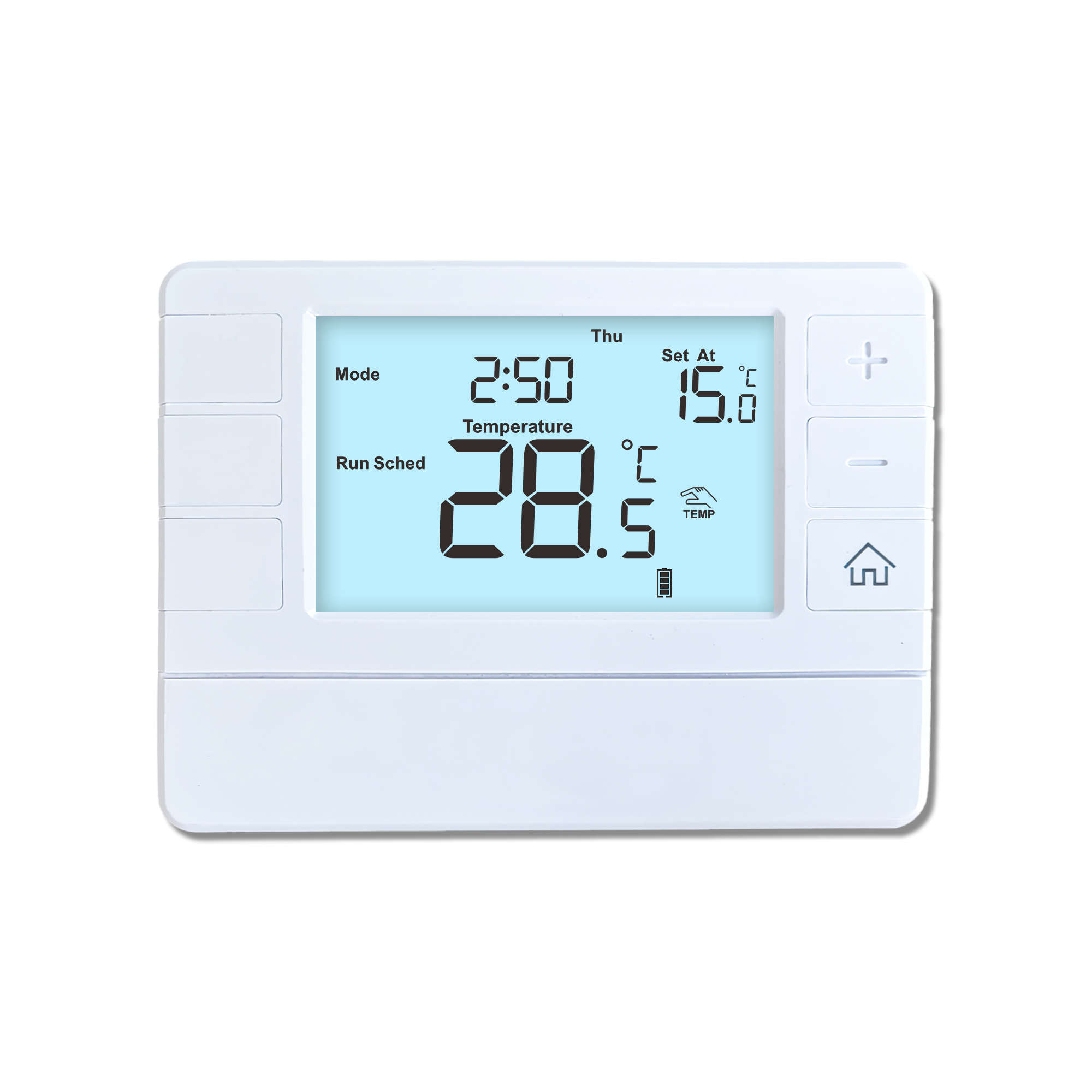
This shift has made traditional, manual thermostats obsolete, paving the way for advanced smart technologies.
Why You Need a Smart Thermostat
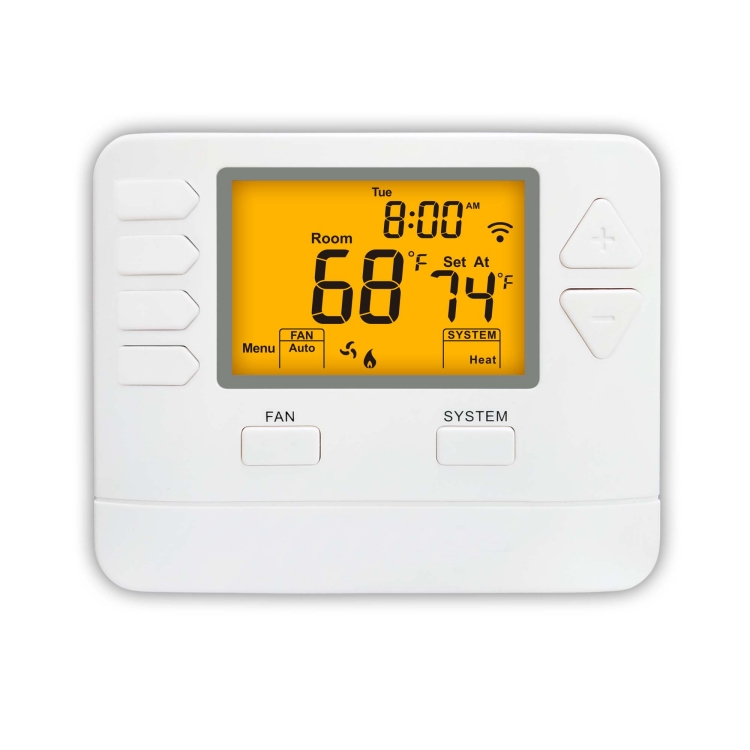
A true 7 Day programmable room thermostat offers the ultimate granular control. It allows users to program a distinct, customized heating and cooling schedule for every single day of the week.
How a 7 Day Programmable Room Thermostat Maximizes Home Comfort and Efficiency
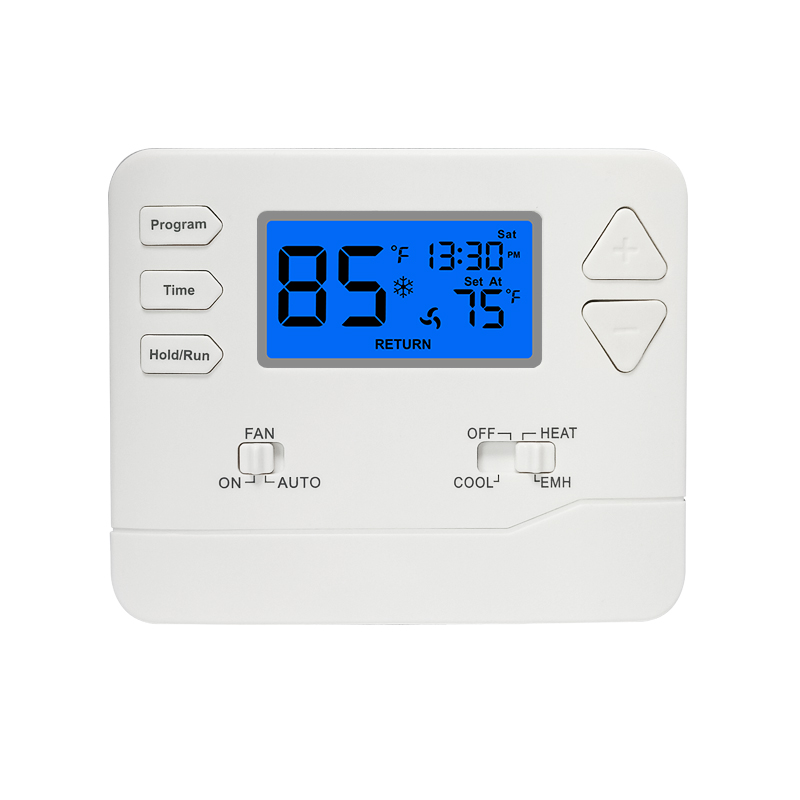
A premium Riseem thermostat is not just a digital display on your wall; it is the ultimate gatekeeper of your indoor environment.
Why a Quality Thermostat Is the Key to a More Comfortable Home
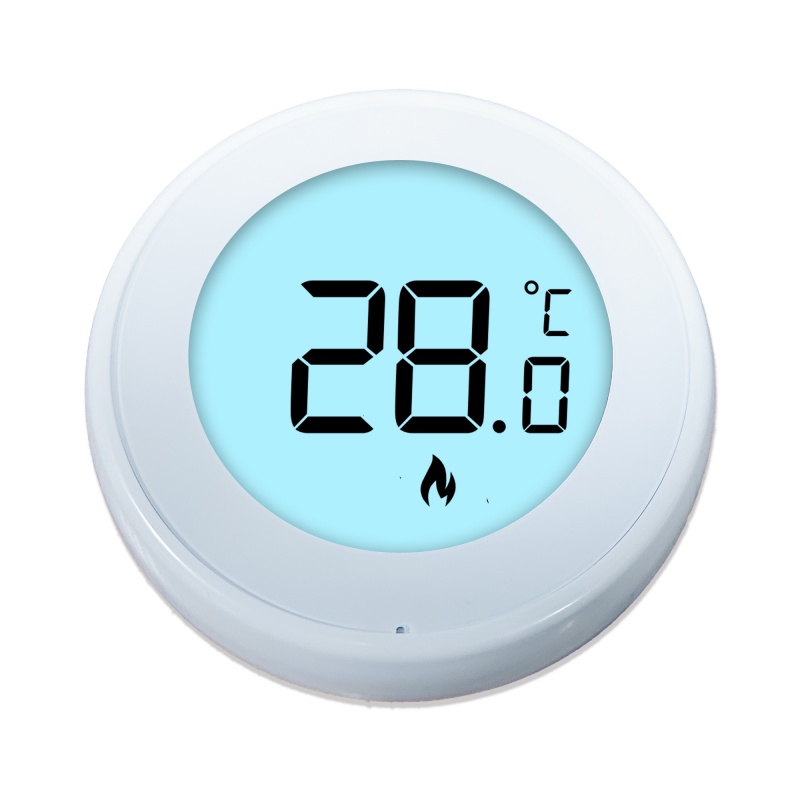
While the TUYA app provides the elegant interface, the physical thermostat remains the brain of the operation. Riseem has engineered a device that looks minimalist on your wall while delivering industrial-grade precision to your HVAC equipment.
Welcome to the Future of Home Automation The Ultimate Guide to TUYA WIFI Smart Thermostats