
why is my thermostat flashing cool on
author: Lily
2025-04-14
Why Is My Thermostat Flashing Cool On?


If you've noticed your thermostat flashing the word “cool,” it can be a cause for concern. This flashing indicator is not just a random occurrence; it serves as a signal that something is amiss within your heating, ventilation, and air conditioning (HVAC) system. Understanding the reasons behind this issue and knowing how to troubleshoot it can help you restore your home's comfort and the proper functioning of your HVAC equipment.
Possible Reasons for the Flashing “Cool” Indicator
Incorrect Temperature Settings
One of the most common reasons for a thermostat to flash “cool” is incorrect temperature settings. If you've recently adjusted the temperature, perhaps setting it too low, the thermostat might be trying to signal that it's working hard to reach the desired temperature. For example, if the outside temperature is extremely high and you've set the thermostat to a temperature that's too far below the ambient temperature, the system may struggle to cool the space, causing the “cool” indicator to flash. This is the thermostat's way of alerting you that it's operating at a high capacity and may need some adjustment to achieve optimal performance.
Electrical Issues
Electrical problems can also trigger the flashing “cool” display. Faulty wiring connections between the thermostat and the HVAC system can disrupt the normal communication, leading to erratic behavior. Loose wires may cause intermittent power supply issues, preventing the thermostat from accurately sending signals to the air conditioning unit. Additionally, a tripped circuit breaker or a blown fuse in the electrical panel that supplies power to the HVAC system can cause the thermostat to display the flashing “cool” message. In such cases, the system may not be receiving the necessary electrical power to operate properly, and the thermostat is indicating that there's an electrical problem.
Low Refrigerant Levels
The refrigerant in your air conditioning system plays a crucial role in the cooling process. When the refrigerant levels are low, it can cause the system to malfunction. A refrigerant leak is a common cause of low levels. As the refrigerant escapes, the system's ability to absorb heat from the indoor air is compromised, and the thermostat may start flashing “cool” to indicate that it's not achieving the desired cooling effect. This issue requires professional attention, as handling refrigerant involves specialized equipment and knowledge to safely detect and repair the leak.
Sensor Malfunctions
Thermostats rely on sensors to detect the indoor temperature accurately. If these sensors malfunction, the thermostat may misinterpret the temperature and display the flashing “cool” signal even when the actual temperature in the room doesn't warrant such a response. Sensor issues can occur due to physical damage, such as being knocked or bumped, or as a result of wear and tear over time. For instance, a sensor that has become dirty or clogged may not be able to measure the temperature accurately, leading the thermostat to believe that the room is warmer than it actually is and prompting the “cool” indicator to flash.
Compressor Problems
The compressor is a vital component of the air conditioning system, responsible for compressing the refrigerant and maintaining the cooling cycle. When the compressor malfunctions, it can prevent the system from cooling the air effectively. Issues with the compressor can range from mechanical failures, such as a seized motor, to electrical problems within the compressor unit itself. A failing compressor may cause the thermostat to flash “cool” as it struggles to keep up with the cooling demand, signaling that there's a problem within the heart of the air conditioning system.
Troubleshooting Steps
Check the Temperature Settings
The first step in troubleshooting is to review the temperature settings on your thermostat. Make sure the temperature is set to a reasonable level that is appropriate for the current weather conditions. If you've set it too low, gradually increase the temperature setting to see if the flashing “cool” indicator stops. Give the system some time to adjust after making the change, as it may take a few minutes for the thermostat to respond and for the HVAC system to stabilize.
Inspect the Electrical Connections
Next, check the electrical connections between the thermostat and the HVAC system. If you're comfortable doing so, carefully remove the thermostat cover to access the wiring. Ensure that all the wires are securely attached to their respective terminals and that there are no signs of fraying or damage. If you notice any loose wires, gently tighten them. However, if you're unsure about handling electrical wiring or if you suspect a more serious electrical issue, it's best to call a professional electrician or HVAC technician. Additionally, check the circuit breaker or fuse box to make sure there are no tripped breakers or blown fuses related to the HVAC system.
Look for Refrigerant Leaks
Detecting refrigerant leaks can be challenging for the average homeowner, as it often requires specialized equipment. However, you can look for some visible signs of a leak. Check around the outdoor unit of your air conditioning system for any signs of oil stains or moisture, as refrigerant often leaks along with the oil in the system. If you suspect a refrigerant leak, do not attempt to repair it yourself. Contact a licensed HVAC technician who has the necessary tools and expertise to safely identify and fix the leak, as well as recharge the refrigerant levels.
Test the Sensors
To test the sensors, you can try using a separate thermometer to measure the temperature in the room where the thermostat is located. Compare the temperature reading on the thermometer with the reading displayed on the thermostat. If there's a significant discrepancy, it could indicate a problem with the thermostat's sensors. Some thermostats also have a built - in diagnostic mode that can help you check the sensor's functionality. Refer to the manufacturer's manual for instructions on how to access and use this feature. If the sensors are faulty, you may need to replace the thermostat or have the sensors repaired by a professional.
Examine the Compressor
Examining the compressor is a complex task that is best left to professionals. However, you can listen for any unusual noises coming from the outdoor unit of your air conditioning system. A hissing, rattling, or grinding sound may indicate a problem with the compressor. If you hear such noises, turn off the system immediately to prevent further damage and contact an HVAC technician. They will be able to perform a thorough inspection of the compressor, diagnose the issue, and recommend the appropriate repair or replacement.
When to Seek Professional Help
If you've tried the basic troubleshooting steps and the thermostat is still flashing “cool,” or if you're uncomfortable performing any of the troubleshooting tasks yourself, it's time to call in a professional. HVAC technicians have the knowledge, experience, and specialized tools to diagnose and repair complex issues within your heating and cooling system. They can quickly identify the root cause of the problem, whether it's related to electrical components, refrigerant leaks, or mechanical failures, and provide effective solutions to get your system back up and running smoothly.
In conclusion, a thermostat flashing “cool” is a sign that your HVAC system needs attention. By understanding the possible causes and following the appropriate troubleshooting steps, you can often resolve the issue on your own. However, when in doubt, don't hesitate to seek the help of a professional to ensure the proper functioning and longevity of your HVAC system.


what does a thermostat do
how to know if smart thermostat is compatible
Related Article
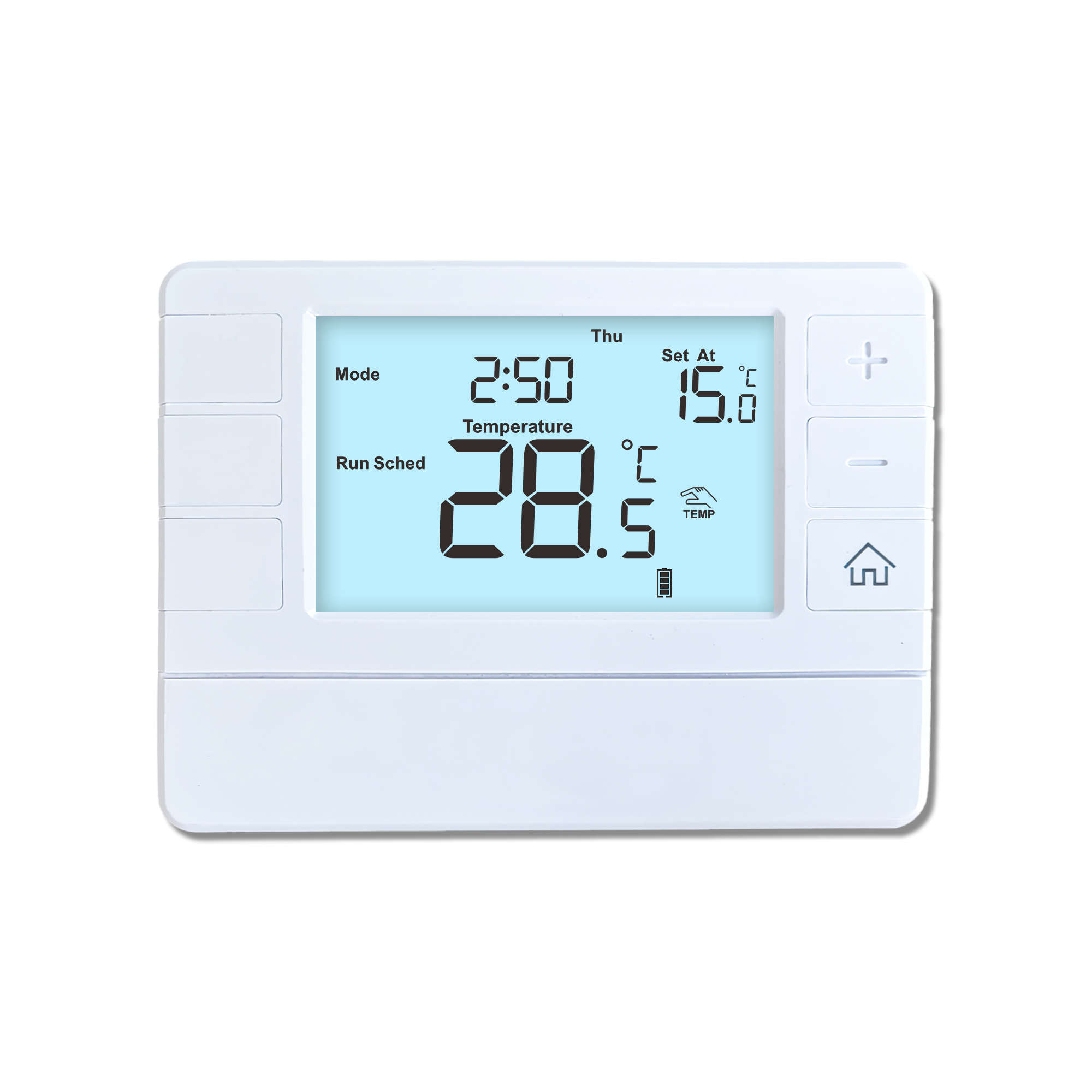
This shift has made traditional, manual thermostats obsolete, paving the way for advanced smart technologies.
Why You Need a Smart Thermostat
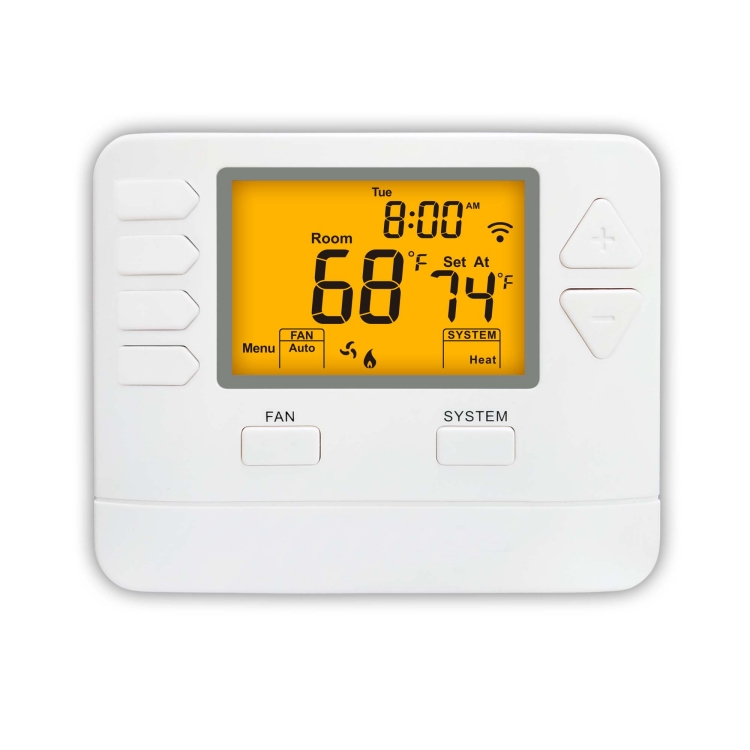
A true 7 Day programmable room thermostat offers the ultimate granular control. It allows users to program a distinct, customized heating and cooling schedule for every single day of the week.
How a 7 Day Programmable Room Thermostat Maximizes Home Comfort and Efficiency
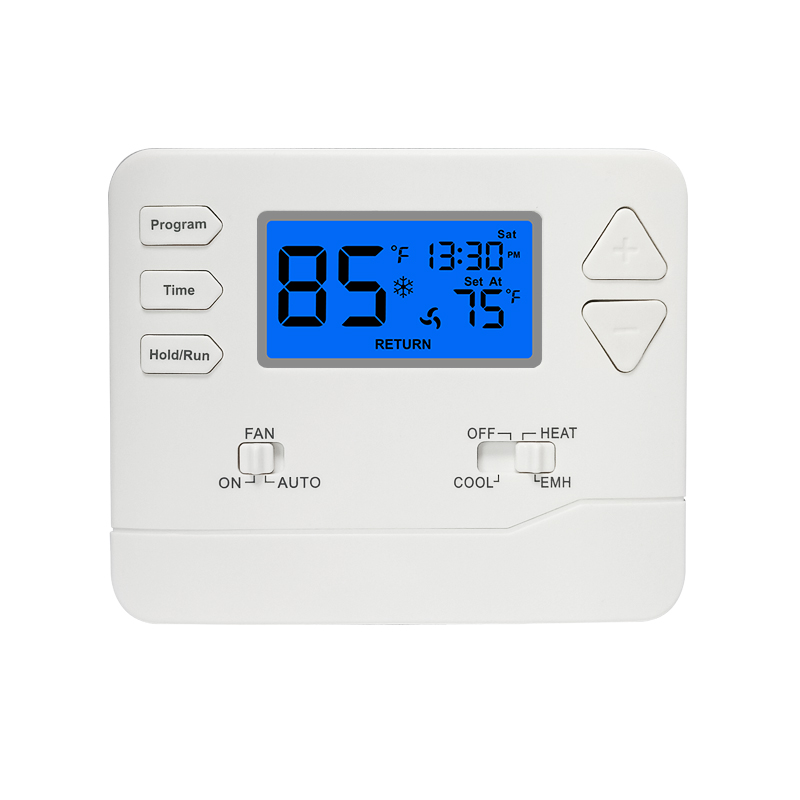
A premium Riseem thermostat is not just a digital display on your wall; it is the ultimate gatekeeper of your indoor environment.
Why a Quality Thermostat Is the Key to a More Comfortable Home
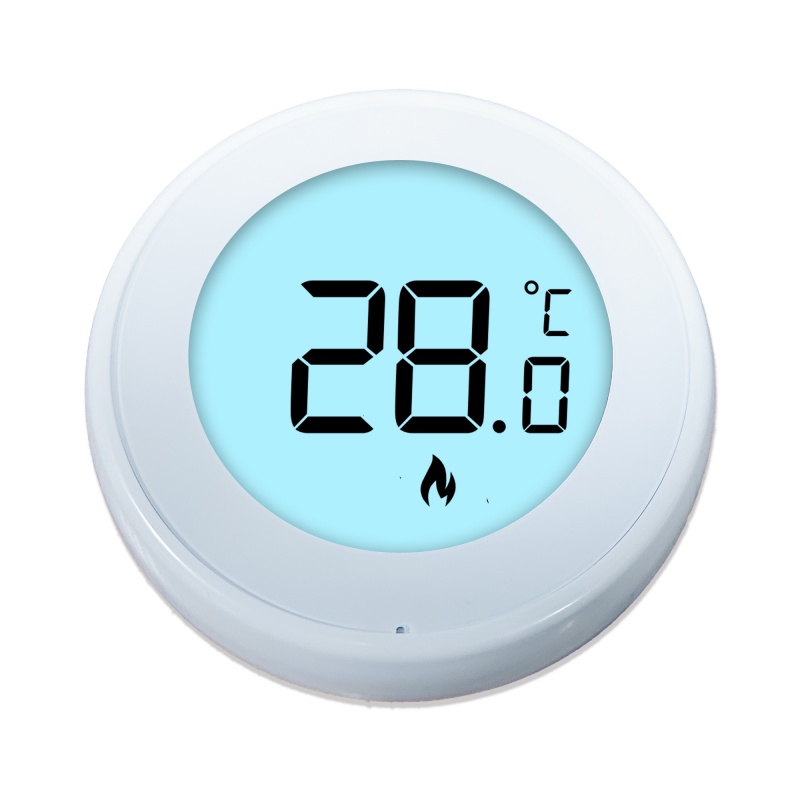
While the TUYA app provides the elegant interface, the physical thermostat remains the brain of the operation. Riseem has engineered a device that looks minimalist on your wall while delivering industrial-grade precision to your HVAC equipment.
Welcome to the Future of Home Automation The Ultimate Guide to TUYA WIFI Smart Thermostats