
why is my thermostat not working
author: Somi
2025-04-28
Why Is My Thermostat Not Working? A Step-by-Step Troubleshooting Guide
A thermostat is a vital device that regulates indoor temperature by controlling heating and cooling systems. It monitors ambient heat, activates HVAC units when needed, and maintains set temperatures for comfort and energy efficiency. Modern thermostats, like those from Ocean Controls Limited, often offer programmable schedules, smart connectivity, and precision sensors to optimize home climate while reducing utility costs.
1. Is Your Thermostat Receiving Power?
One of the most common reasons a thermostat fails to work is a lack of power. Whether your thermostat is battery-powered or hardwired, addressing power issues is the first step.
Q: How Do I Check if My Thermostat Has Power?
A:
A:
- Battery-Powered Thermostats: Look for a dim or blank display, unresponsive buttons, or a "LOW BATTERY" alert (common in Ocean Controls Limited’s EcoLine series). Replace AA/AAA or coin batteries (e.g., CR2032) and ensure they’re installed correctly.
- Hardwired Thermostats: Check the circuit breaker or fuse box. If the HVAC circuit is tripped, reset it. Use a voltage tester to confirm 24V AC at the thermostat’s R (red) terminal.
Q: My Hardwired Thermostat Still Has No Power. What’s Next?
A: Inspect the wiring. Loose or corroded wires at the R, C (common), or G (fan) terminals can disrupt power. For Ocean Controls Limited smart thermostats, a missing C-wire may require a power extender or professional wiring upgrade.
A: Inspect the wiring. Loose or corroded wires at the R, C (common), or G (fan) terminals can disrupt power. For Ocean Controls Limited smart thermostats, a missing C-wire may require a power extender or professional wiring upgrade.

2. Are the Settings Correct on Your Thermostat?
A thermostat that’s incorrectly configured won’t activate your HVAC system, even if it has power.
Q: What Settings Should I Verify First?
A:
A:
- Mode Selection: Ensure the thermostat is set to "Heat," "Cool," or "Auto" (not "Off"). For example, an Ocean Controls Limited Geotherm Pro thermostat in "Off" mode won’t trigger heating or cooling.
- Temperature Set Point: The set temperature must be above room temp for heating or below room temp for cooling. If the room is 70°F, set heating to 72°F or cooling to 68°F.
- Program Schedules: Check for active "Away" or "Vacation" modes that may override your settings.
Q: My Thermostat Is in the Right Mode, but Nothing Happens. Why?
A: This could indicate a calibration issue. Use a calibrated thermometer to test the room temperature near the thermostat. If the thermostat’s display differs by more than 2°F, recalibrate it via the settings menu (e.g., "Temperature Offset" in Ocean Controls Limited models).
A: This could indicate a calibration issue. Use a calibrated thermometer to test the room temperature near the thermostat. If the thermostat’s display differs by more than 2°F, recalibrate it via the settings menu (e.g., "Temperature Offset" in Ocean Controls Limited models).

3. Could the Issue Be with the Wiring or Connections?
Faulty wiring is a frequent culprit for thermostat malfunctions, especially after DIY installations or in older homes.
Q: How Do I Inspect Thermostat Wiring?
A:
A:
- Turn Off Power: Switch off the HVAC circuit breaker to avoid electrical shock.
- Remove the Thermostat Cover: Label each wire (e.g., R, Y, W) to avoid confusion.
- Check for Loose Connections: Tighten screws at each terminal, especially the R (power), Y (cooling), and W (heating) wires.
- Look for Damage: Replace frayed or corroded wires. For heat pump systems, ensure the O/B (orange) wire is securely connected to the thermostat’s reversing valve terminal.
Q: My Thermostat Uses a C-Wire. Could That Be the Problem?
A: Yes. The C-wire provides a neutral power path for smart thermostats. If loose or incompatible, use an adapter like Ocean Controls Limited’s Universal Power Extender or consult an electrician to install a new C-wire.
A: Yes. The C-wire provides a neutral power path for smart thermostats. If loose or incompatible, use an adapter like Ocean Controls Limited’s Universal Power Extender or consult an electrician to install a new C-wire.

4. Are There Issues with Your HVAC System?
Sometimes, the thermostat is functioning correctly, but the problem lies with the furnace, AC unit, or heat pump.
Q: How Can I Test if the HVAC System Is the Issue?
A: Bypass the thermostat by shorting the R and Y (for cooling) or R and W (for heating) terminals on the HVAC control board. If the system activates, the thermostat or its wiring is faulty. If not, the issue is with the HVAC unit.
A: Bypass the thermostat by shorting the R and Y (for cooling) or R and W (for heating) terminals on the HVAC control board. If the system activates, the thermostat or its wiring is faulty. If not, the issue is with the HVAC unit.
Common HVAC Problems:
- Furnace Issues: A clogged air filter, faulty ignition switch, or empty fuel tank (for oil/gas systems).
- AC Compressor Failure: A blown capacitor or low refrigerant can prevent cooling.
- Heat Pump Reversing Valve Stuck: This prevents switching between heating and cooling modes.
Q: My HVAC System Won’t Start Even When Bypassed. What Should I Do?
A: This indicates a problem like a failed compressor, broken blower motor, or faulty control board. Contact a licensed HVAC technician, especially for warranty-covered systems like Ocean Controls Limited’s partnered units.
A: This indicates a problem like a failed compressor, broken blower motor, or faulty control board. Contact a licensed HVAC technician, especially for warranty-covered systems like Ocean Controls Limited’s partnered units.
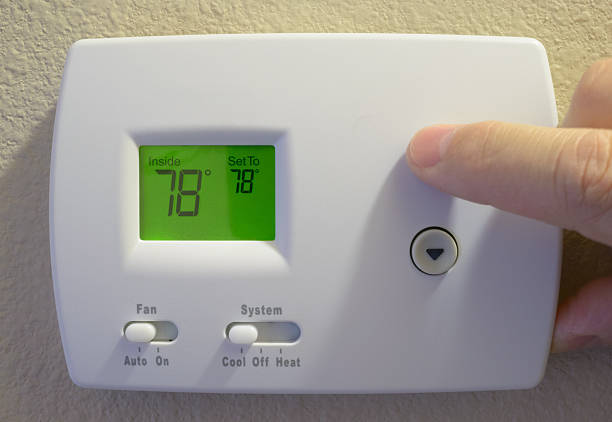
5. Is Your Thermostat Outdated or Malfunctioning?
Older thermostats or those with internal component failures may need replacement.
Q: How Do I Know if My Thermostat Needs Replacement?
A: Look for these signs:
A: Look for these signs:
- Physical Damage: Cracked display, burnt terminals, or water damage.
- Inconsistent Performance: Frequent calibration issues or unexplained mode changes.
- Compatibility Issues: Older thermostats may not work with modern smart HVAC systems. Upgrade to a model like Ocean Controls Limited’s Smart Pro Series for seamless integration.
Q: Can I Replace My Thermostat Myself?
A: For basic models, yes, with careful wiring and labeling. For smart thermostats or complex systems (e.g., multi-zone, geothermal), consult the manual or hire a professional to ensure proper setup and warranty coverage.
A: For basic models, yes, with careful wiring and labeling. For smart thermostats or complex systems (e.g., multi-zone, geothermal), consult the manual or hire a professional to ensure proper setup and warranty coverage.

6. When Should I Contact a Professional for My Thermostat?
While many issues can be resolved DIY, certain scenarios require expert intervention:
Q: What Are the Signs I Need Professional Help?
A:
A:
- Electrical Hazards: Smells of burning, sparks, or exposed wiring near the thermostat or HVAC unit.
- Complex System Repairs: Refrigerant leaks, control board replacements, or heat pump component failures.
- Warranty Concerns: Ocean Controls Limited’s premium thermostats (e.g., Geotherm Pro) require professional installation for warranty validity.
Q: How Much Does Professional Thermostat Repair Cost?
A:
A:
- Simple Repairs: $100–$300 for wiring fixes or sensor replacements.
- HVAC System Repairs: $500–$2,000+ for compressor, valve, or furnace repairs.
- Replacement: $200–$600 for a new smart thermostat, including installation.
Conclusion: Diagnosing and Resolving Thermostat Issues
A malfunctioning thermostat can disrupt home comfort, but systematic troubleshooting often reveals solutions. Start with power checks, settings verification, and wiring inspections. For Ocean Controls Limited users, leverage the brand’s app diagnostics and customer support for guided help. Remember, safety is paramount—never attempt complex electrical or HVAC repairs without expertise.
By maintaining your thermostat and scheduling annual HVAC tune-ups, you’ll prevent future issues and ensure optimal performance. Whether you’re replacing batteries, recalibrating settings, or upgrading to a smart model, a functional thermostat is key to a comfortable and energy-efficient home. Stay proactive, and don’t hesitate to seek professional help when needed!


how to replace air conditioner thermostat
air conditioner thermostat not working
Related Article
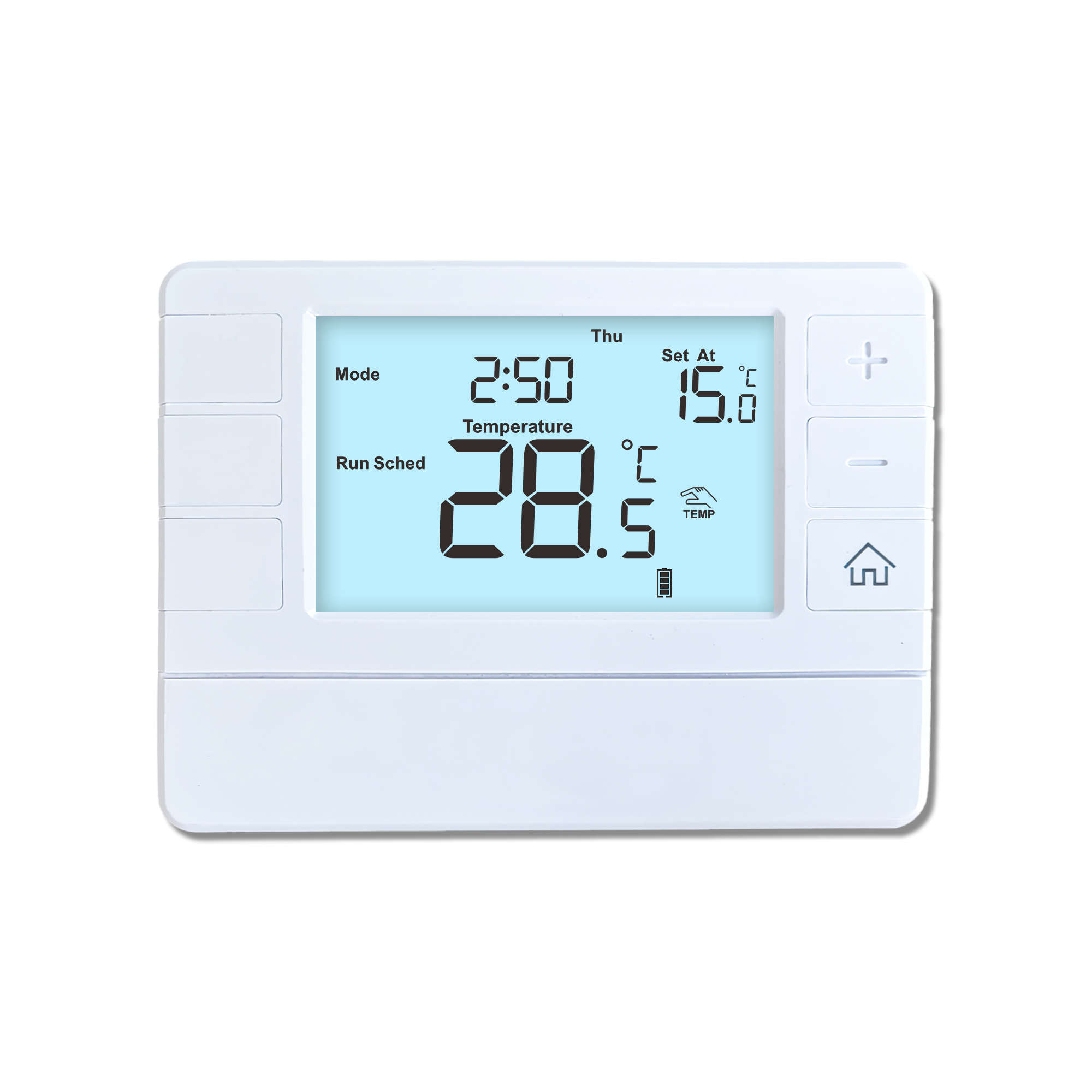
This shift has made traditional, manual thermostats obsolete, paving the way for advanced smart technologies.
Why You Need a Smart Thermostat
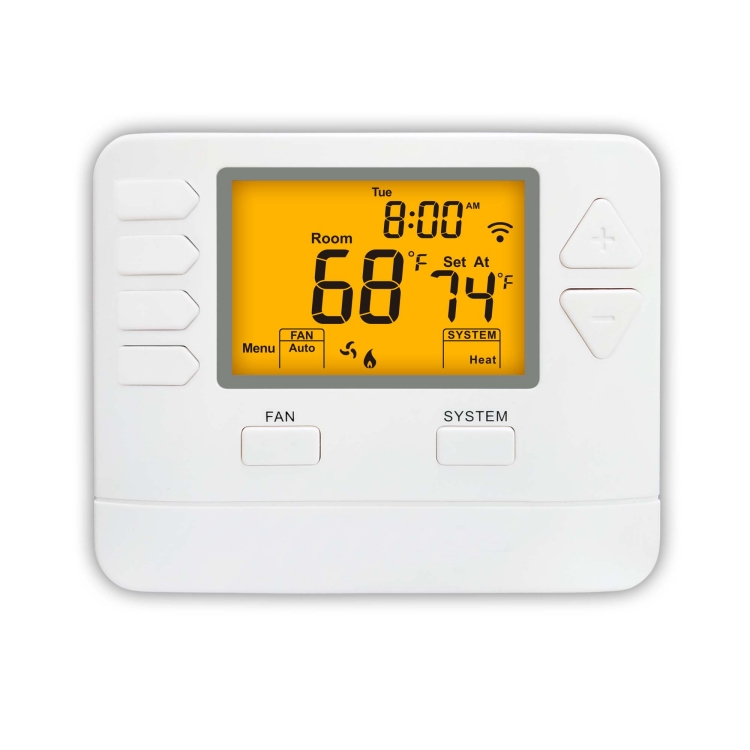
A true 7 Day programmable room thermostat offers the ultimate granular control. It allows users to program a distinct, customized heating and cooling schedule for every single day of the week.
How a 7 Day Programmable Room Thermostat Maximizes Home Comfort and Efficiency
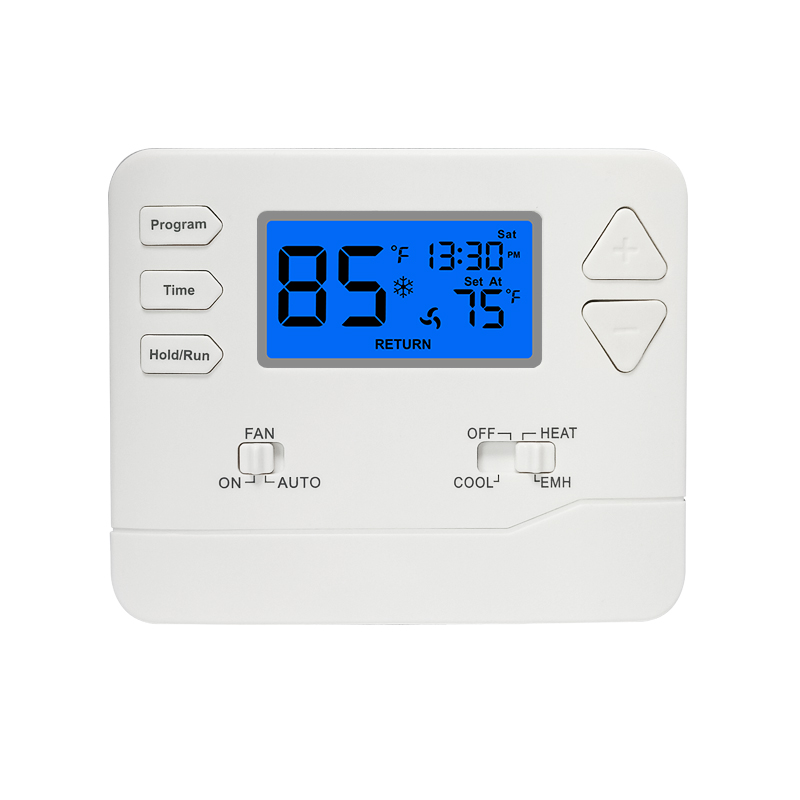
A premium Riseem thermostat is not just a digital display on your wall; it is the ultimate gatekeeper of your indoor environment.
Why a Quality Thermostat Is the Key to a More Comfortable Home
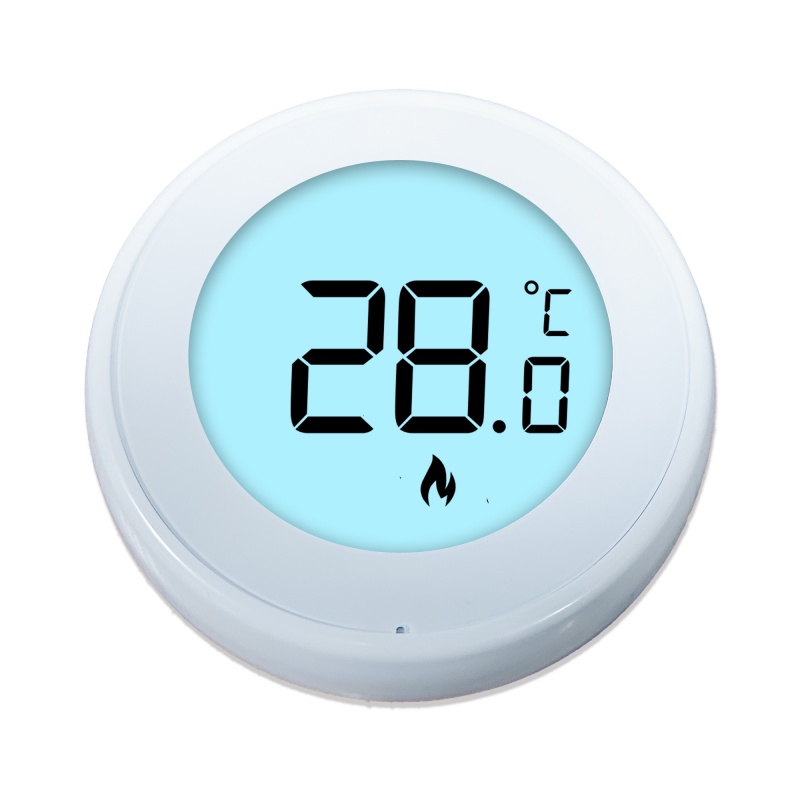
While the TUYA app provides the elegant interface, the physical thermostat remains the brain of the operation. Riseem has engineered a device that looks minimalist on your wall while delivering industrial-grade precision to your HVAC equipment.
Welcome to the Future of Home Automation The Ultimate Guide to TUYA WIFI Smart Thermostats